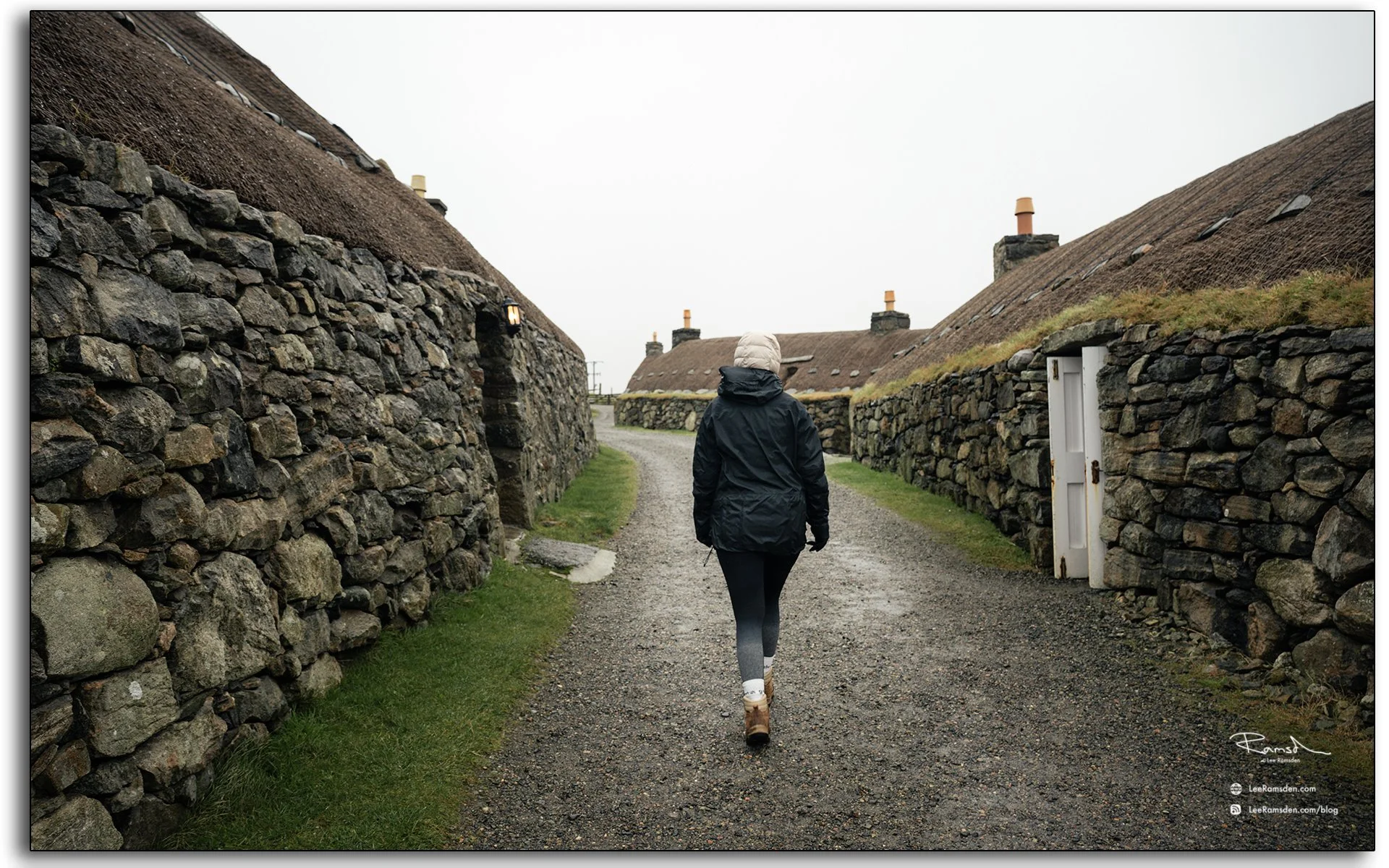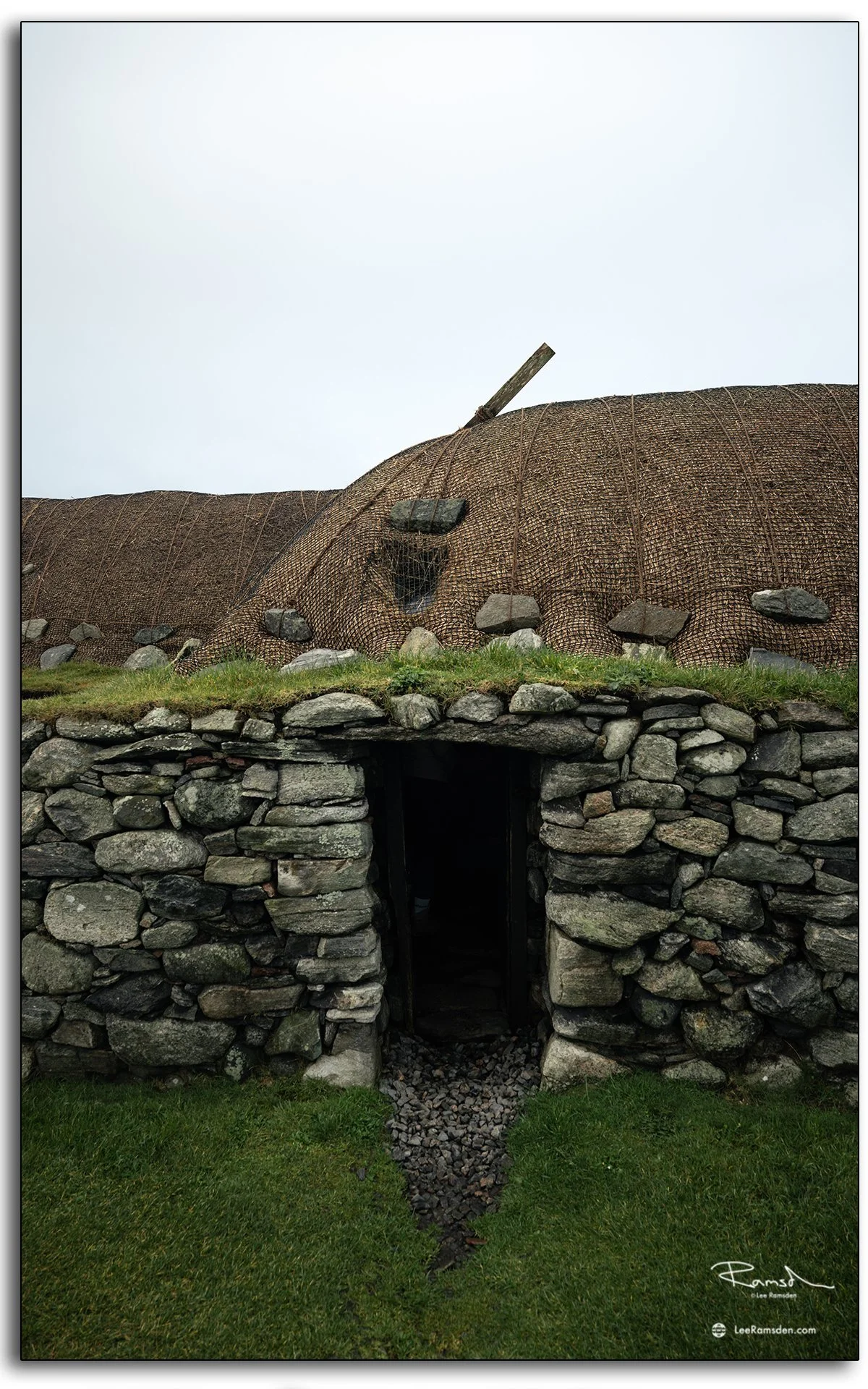
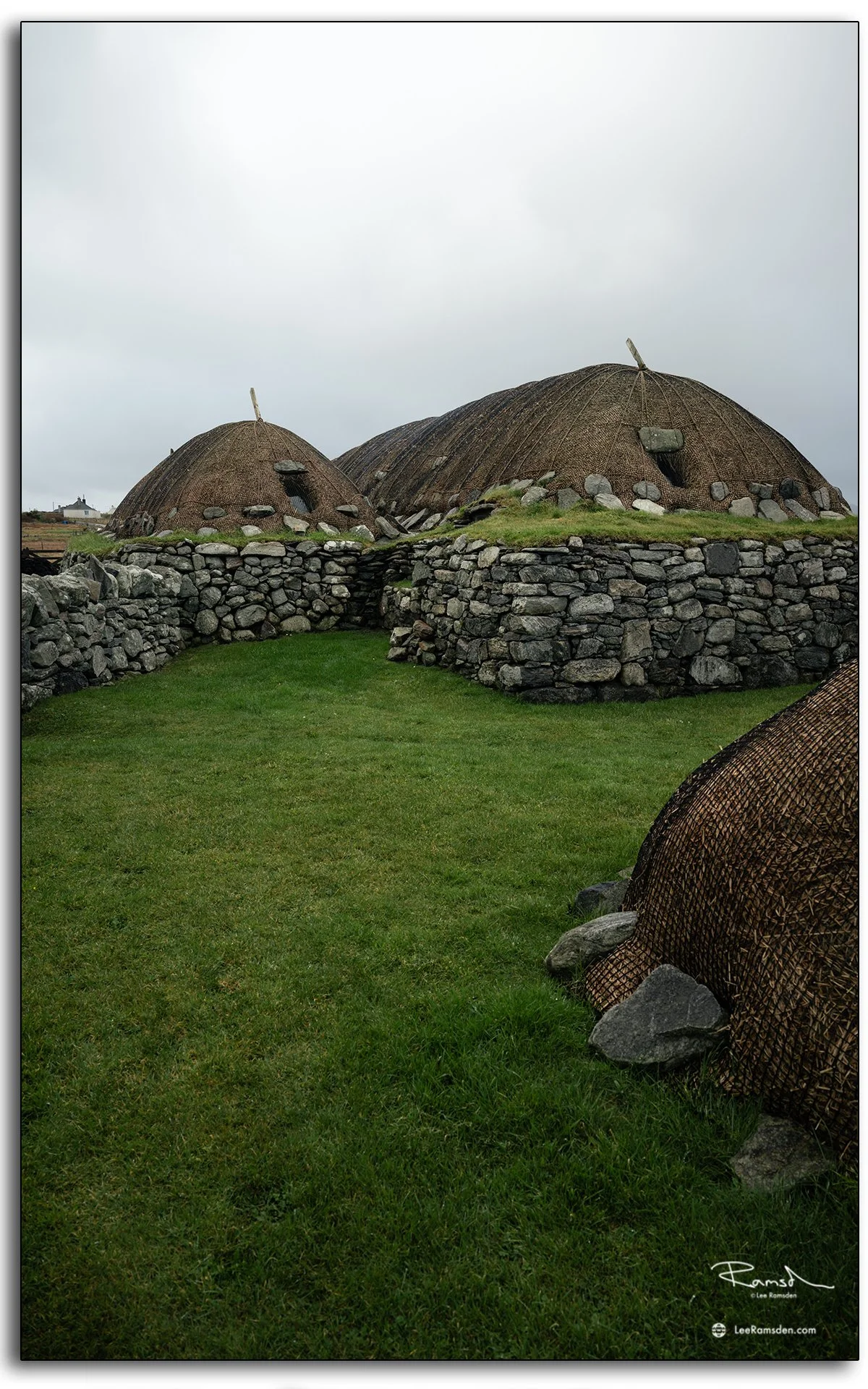
The blackhouses are among the most striking parts of Hebridean history — not because they’re grand or decorative, but because they’re built from necessity and endurance.
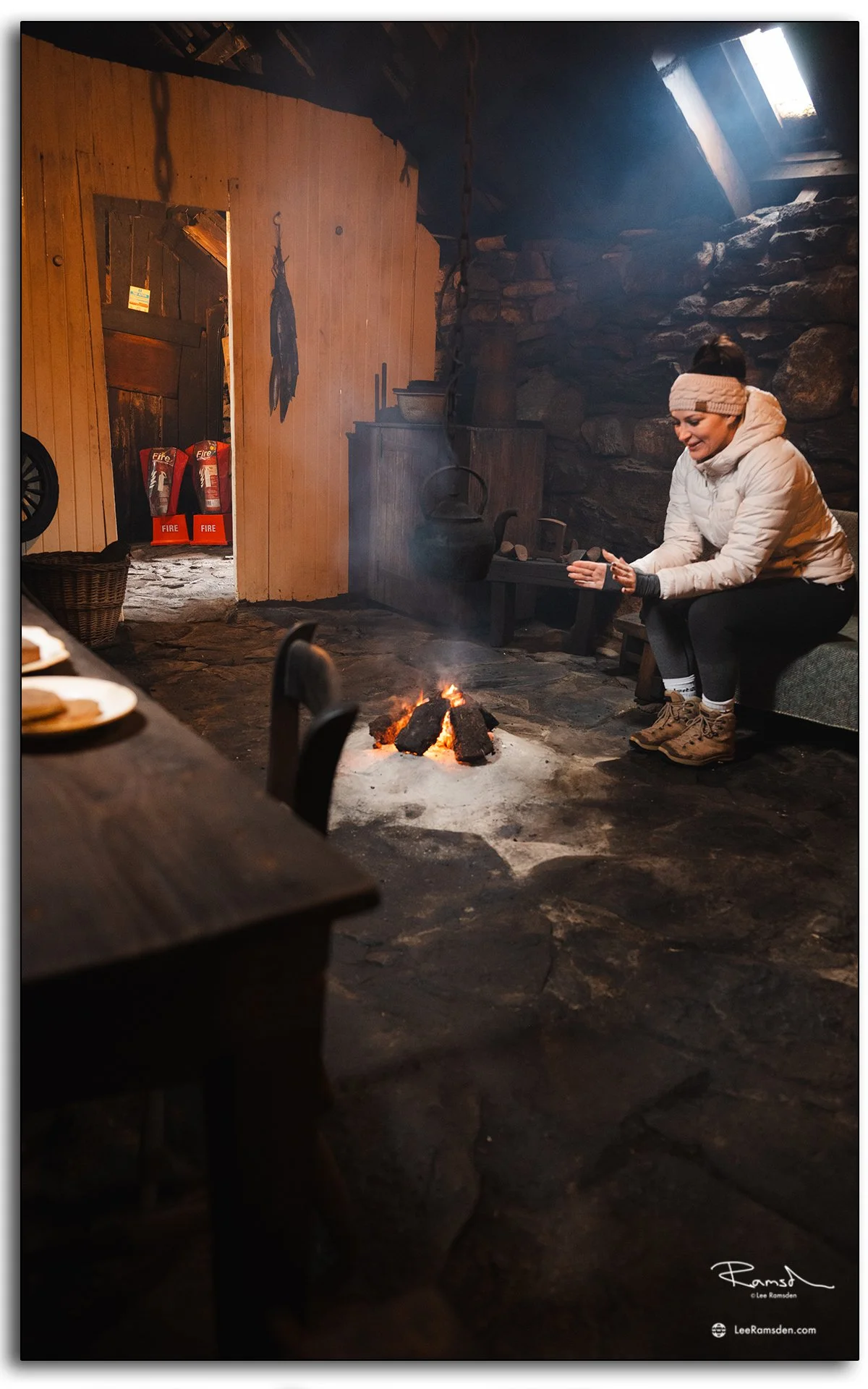
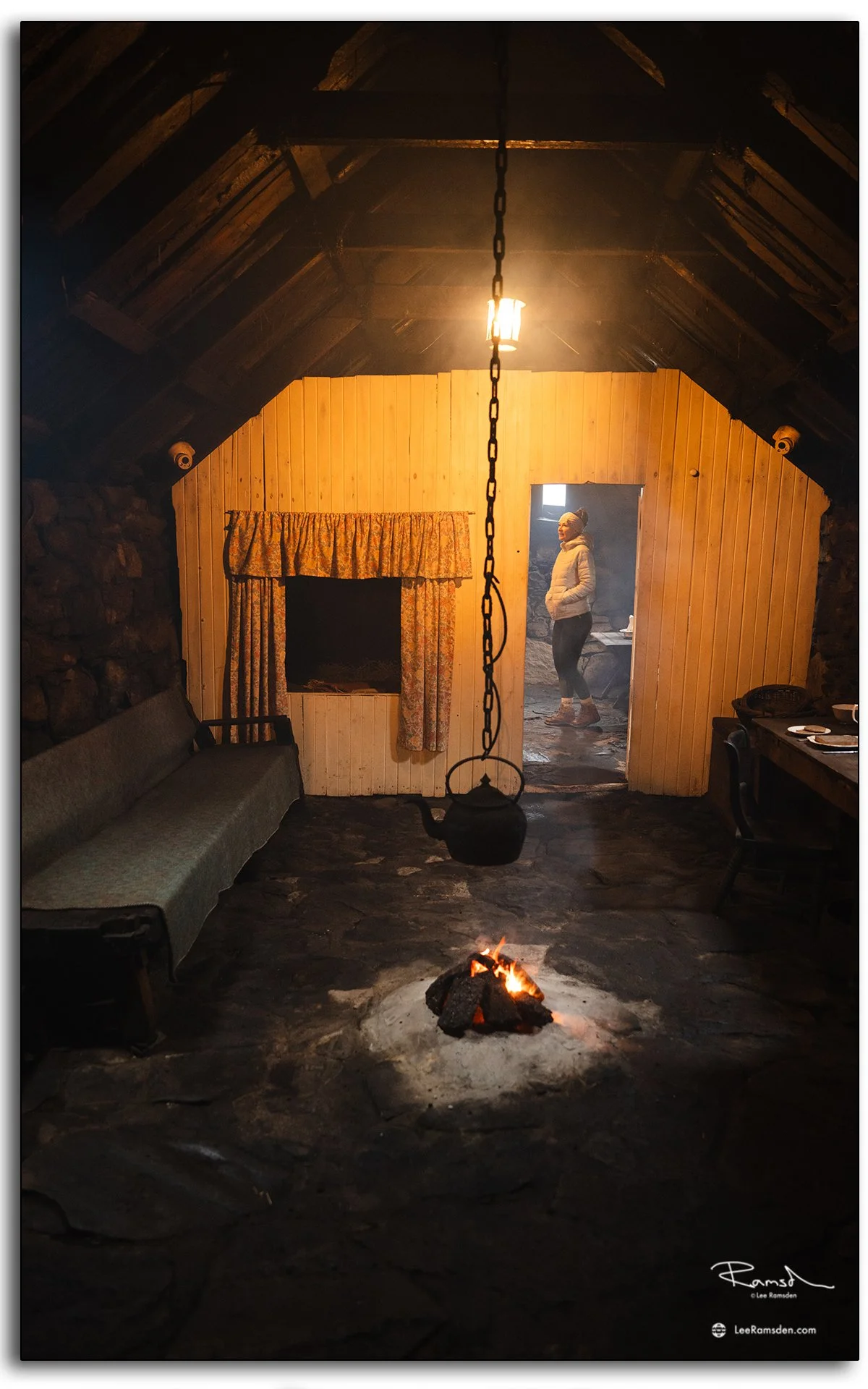
Constructed from stone, turf, and timber, these dwellings were designed to withstand Atlantic weather and make the most of limited materials. Smoke from the central hearth filled the house before escaping through the thatch, helping to preserve it from the elements. Cattle often shared the space with the family, separated by a low wall — warmth was a shared resource.
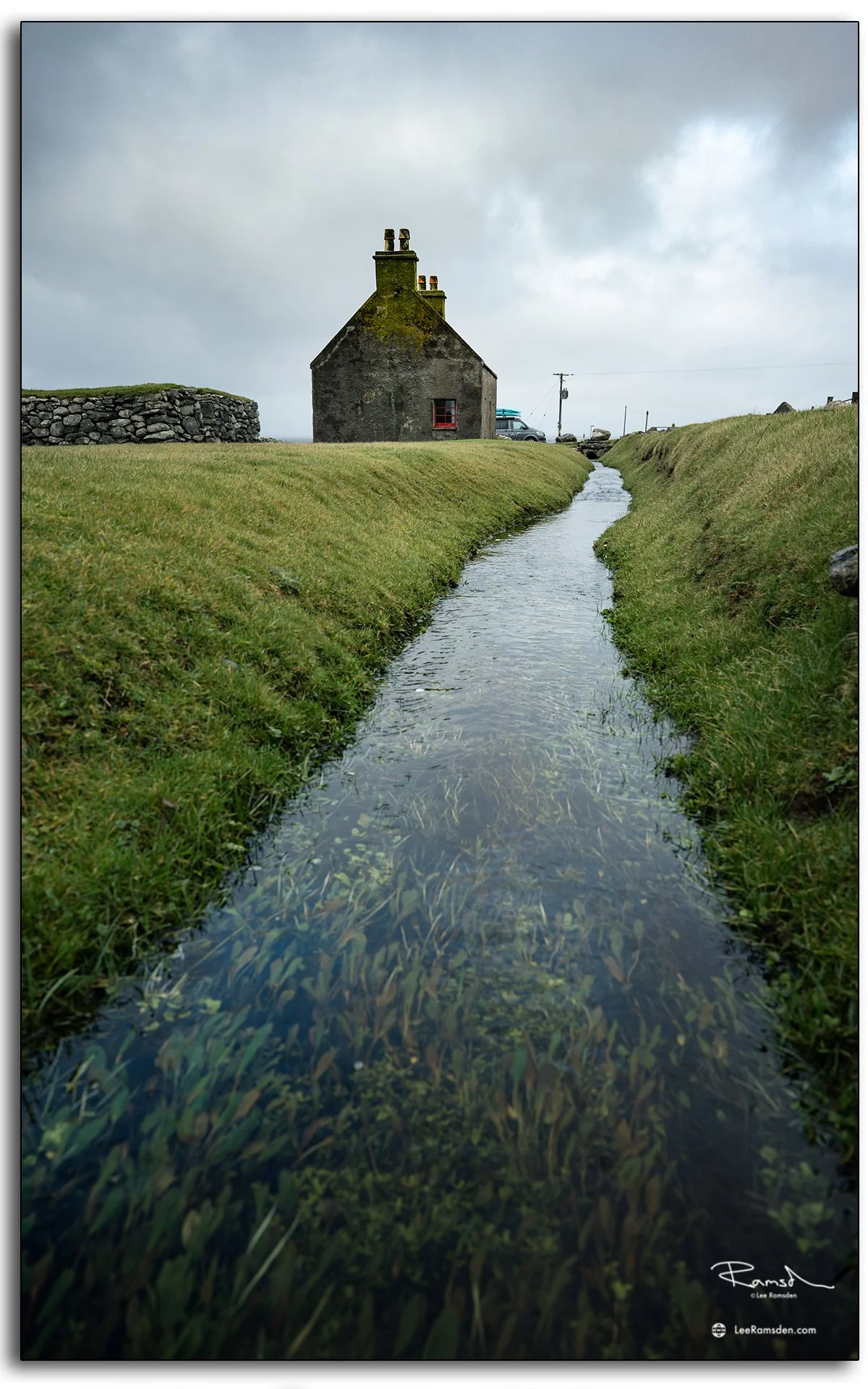
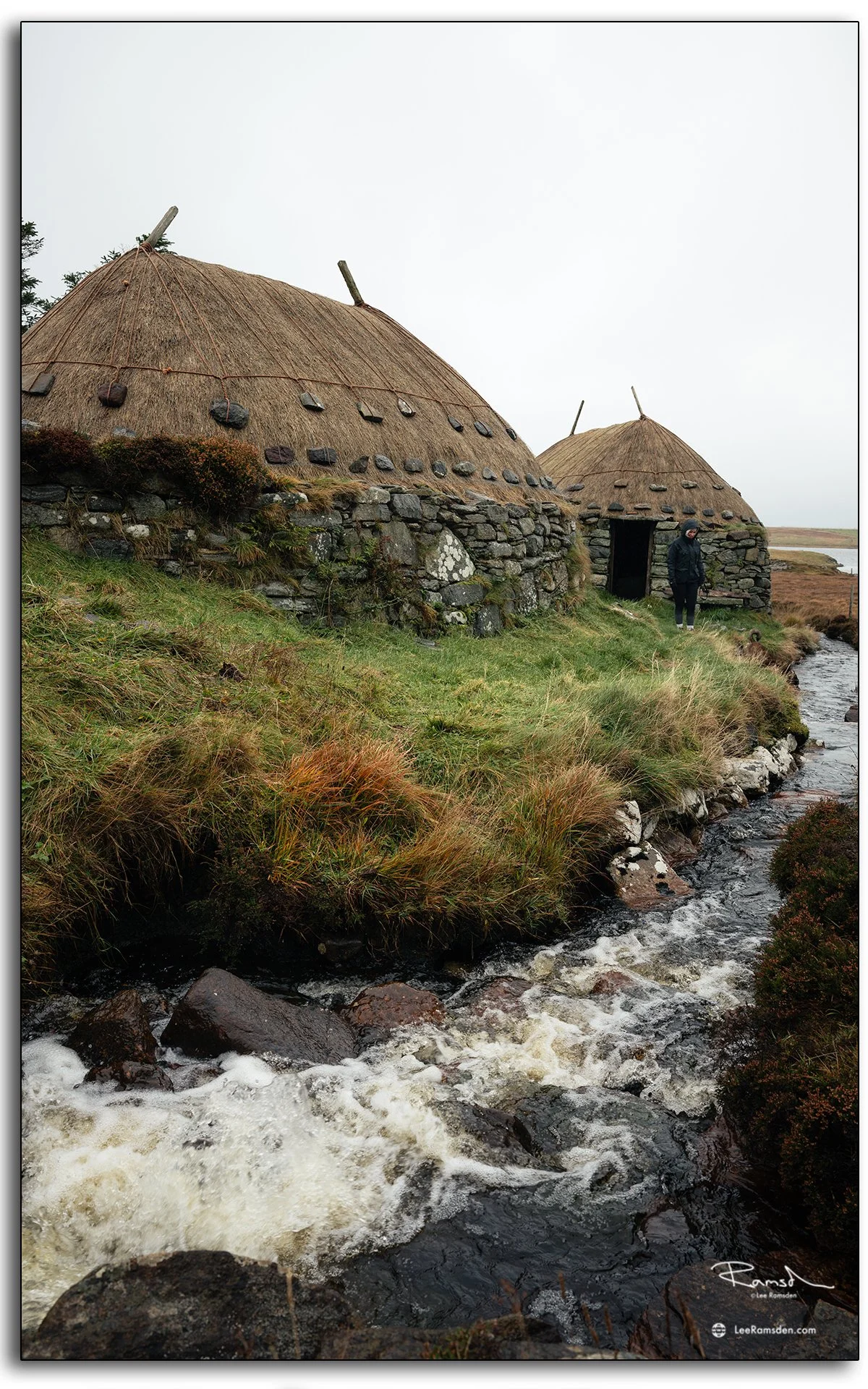
There are a few restored examples scattered across the islands — like those at Arnol on Lewis, Gearrannan, and Norse Mill & Kiln — each one giving a glimpse of how islanders lived just a few generations ago. Standing inside, with the smell of peat smoke hanging in the air and the sound of the wind outside, you get a real sense of what “shelter” meant in its truest form.
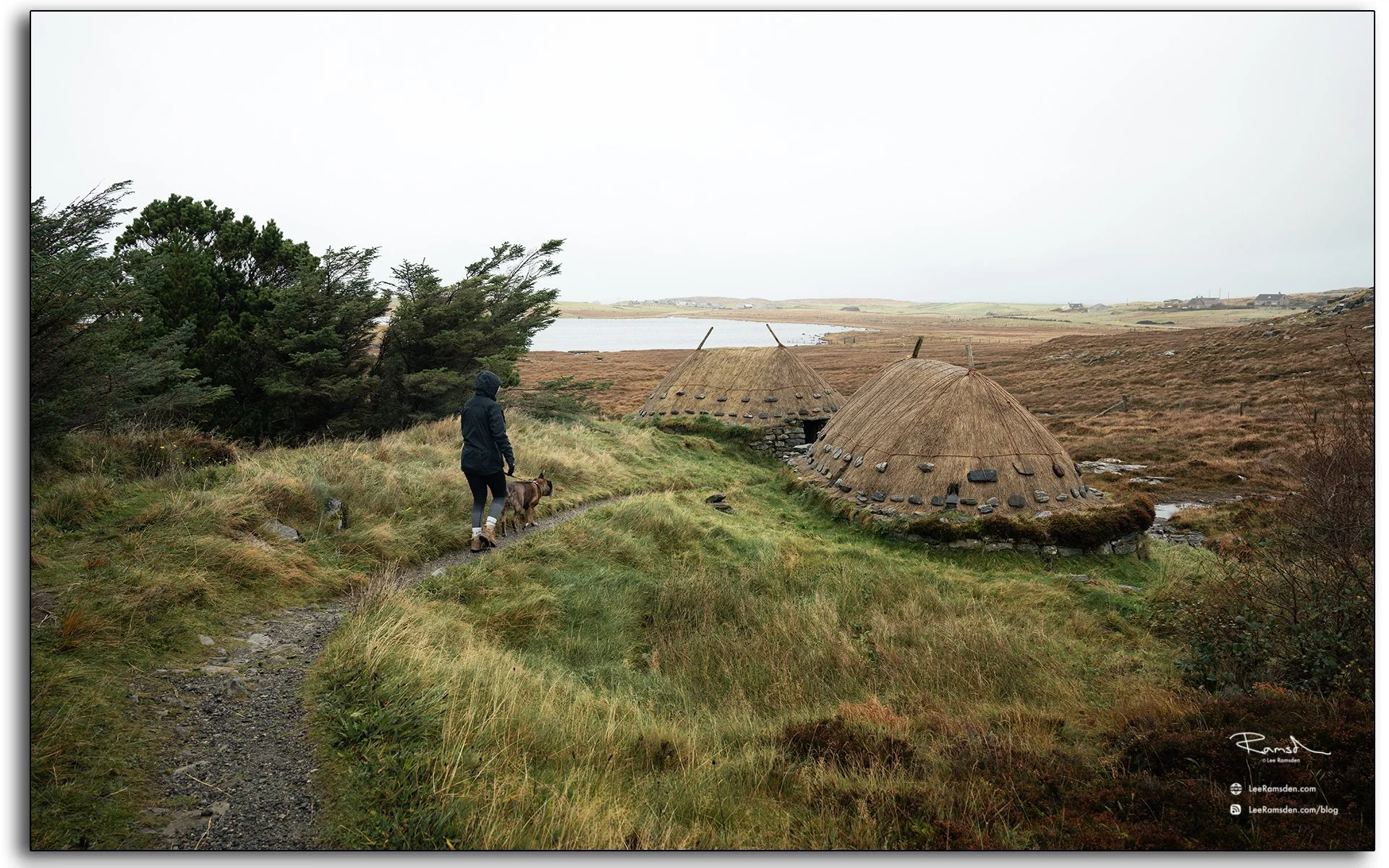
For all their simplicity, there’s a quiet sophistication to these buildings — natural insulation, low profiles against the wind, and a design that worked perfectly for their environment. They weren’t built to impress; they were built to survive.
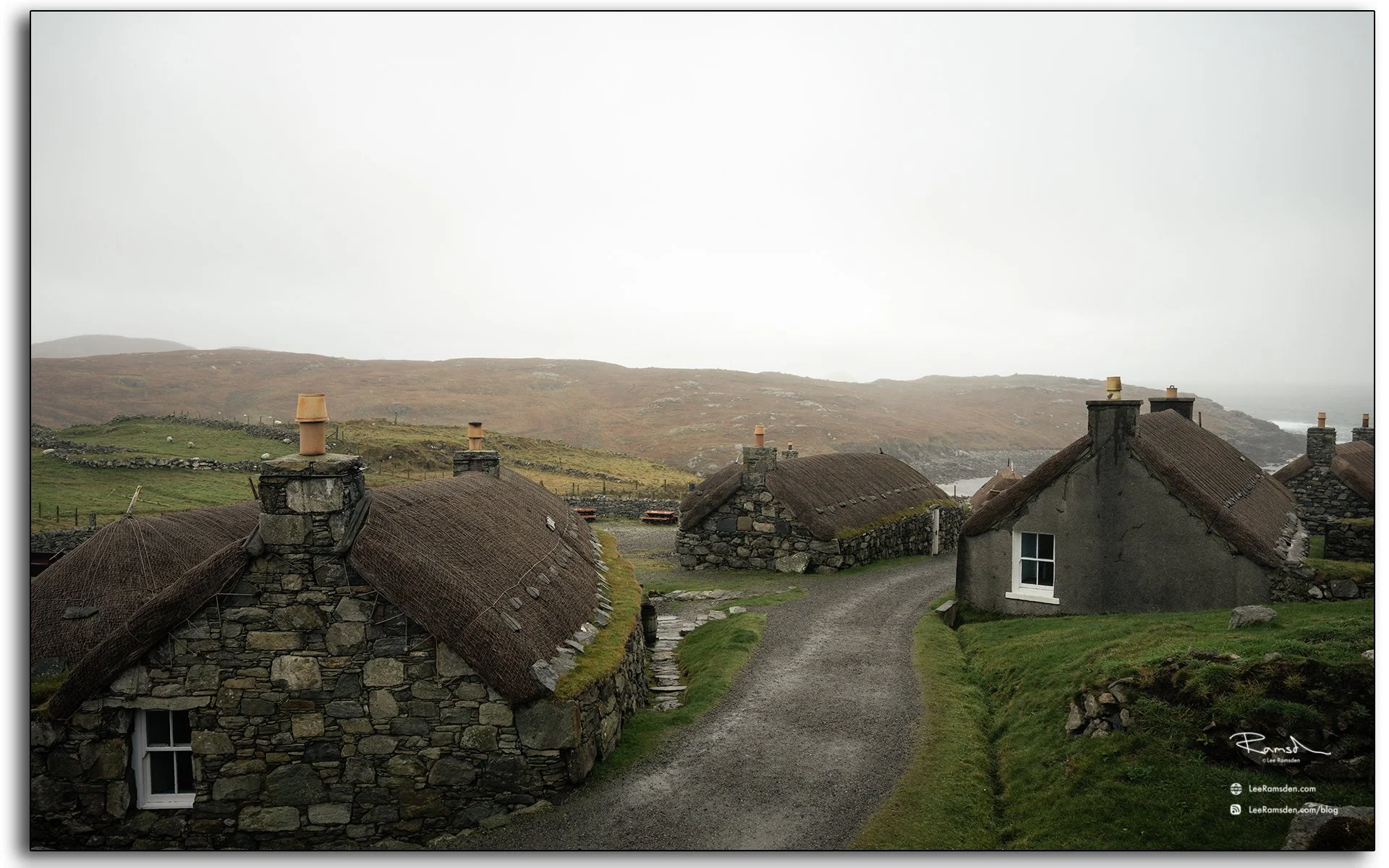
Seeing these blackhouses in person connects you to the people who built them — tough, resourceful, and proud of their land.
See more of Scotland’s cultural and coastal heritage in my Places collection.