Scotland

Cromarty Lighthouse on the Black Isle

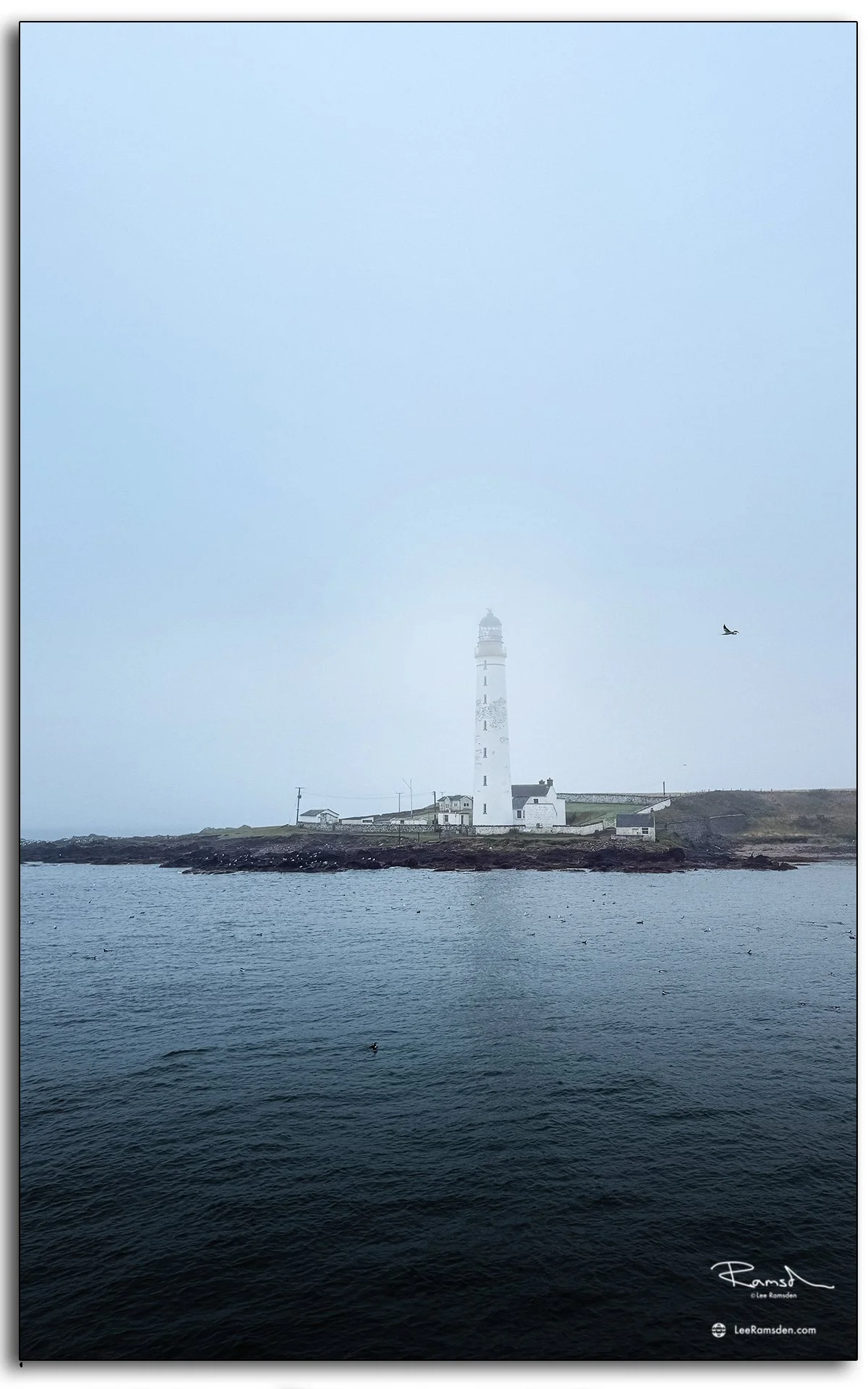
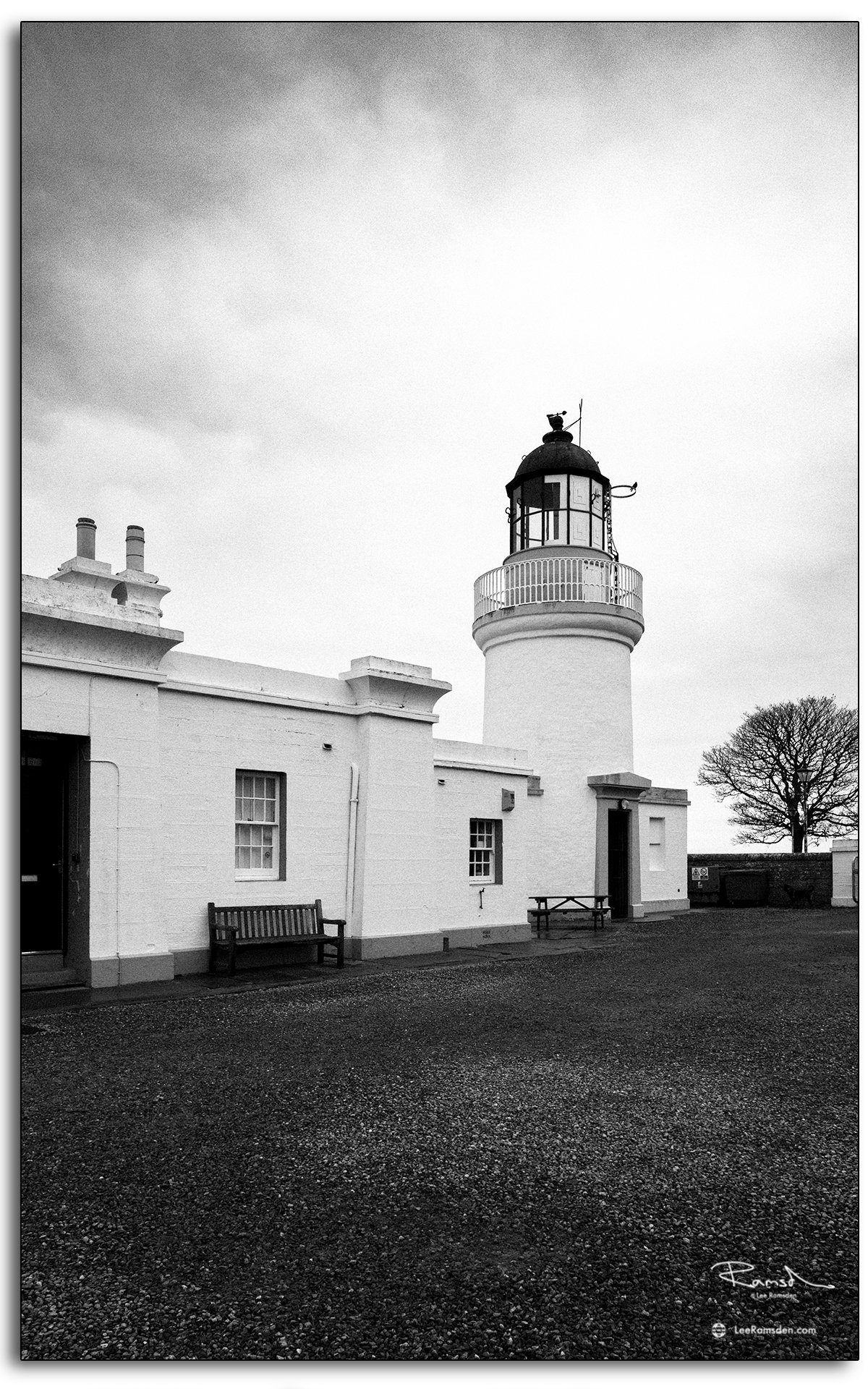
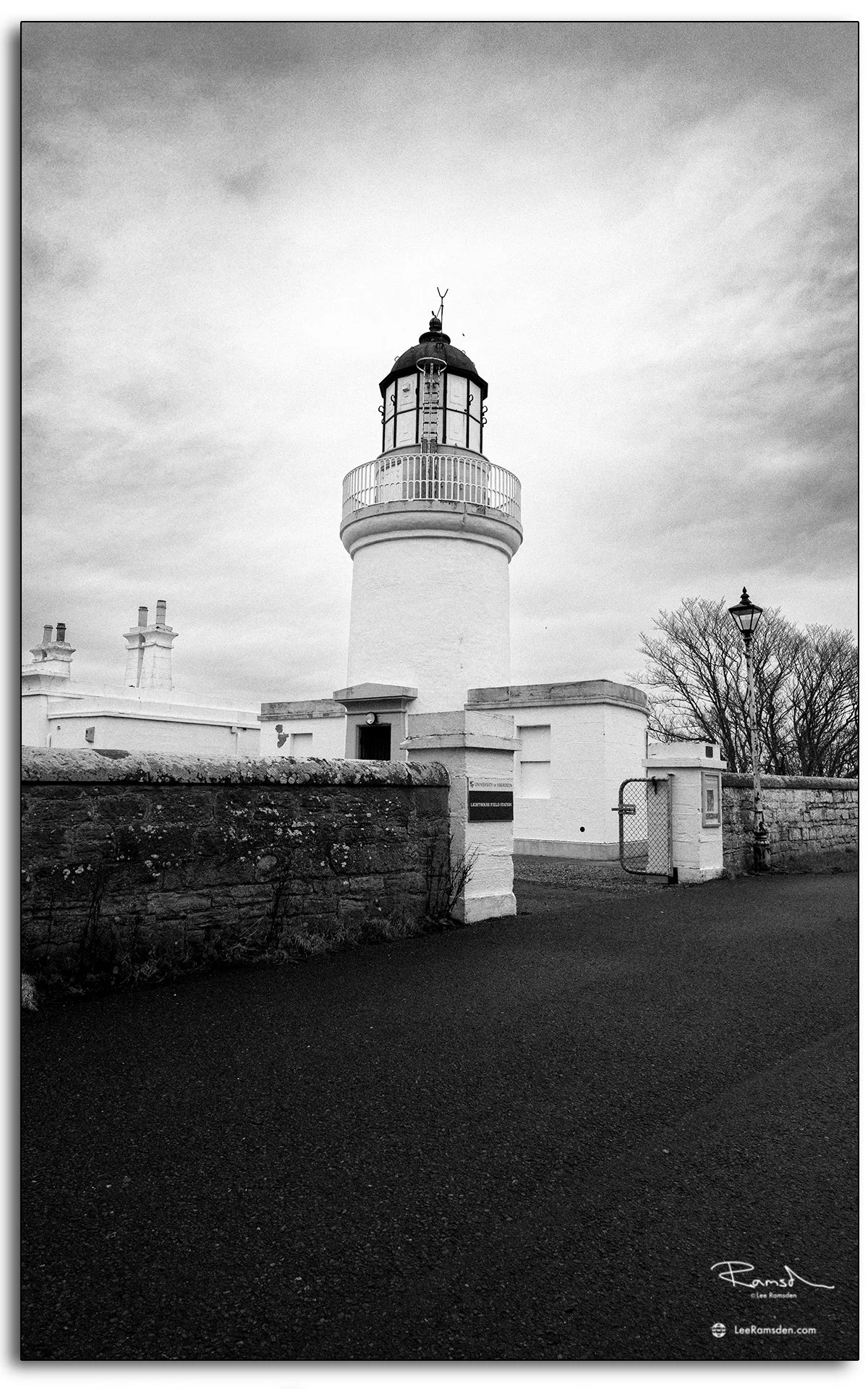
These photographs were taken in Cromarty on the Black Isle, looking at the lighthouse from two slightly different angles. The monochrome treatment felt right for this set. It gives the building a more documentary look and pulls it closer to its working history rather than presenting it as a purely scenic coastal landmark.

Cromarty Lighthouse was first established in 1846 to guide vessels from the Moray Firth into the Cromarty Firth. It was designed by Alan Stevenson, part of the famous Stevenson family of lighthouse engineers. 

The light later became automatic in 1985, and it was withdrawn from service in 2006. After decommissioning, the site passed into academic use, and the buildings are now associated with the University of Aberdeen’s Lighthouse Field Station

That history gives the site more weight than a simple lighthouse stop on the coast. It stood at an important entrance to the Cromarty Firth, an area long valued for its sheltered waters and maritime importance. Even now, the building still carries that sense of purpose. 

Cromarty has no shortage of history, but the lighthouse is one of the clearest reminders that this small town was connected to much larger routes, movements and industries at sea.

Cromarty: The Cleopatra Stone and the Firth Beyond

Cromarty is the sort of place where history and industry can sit in the same frame, even when they belong to very different centuries.

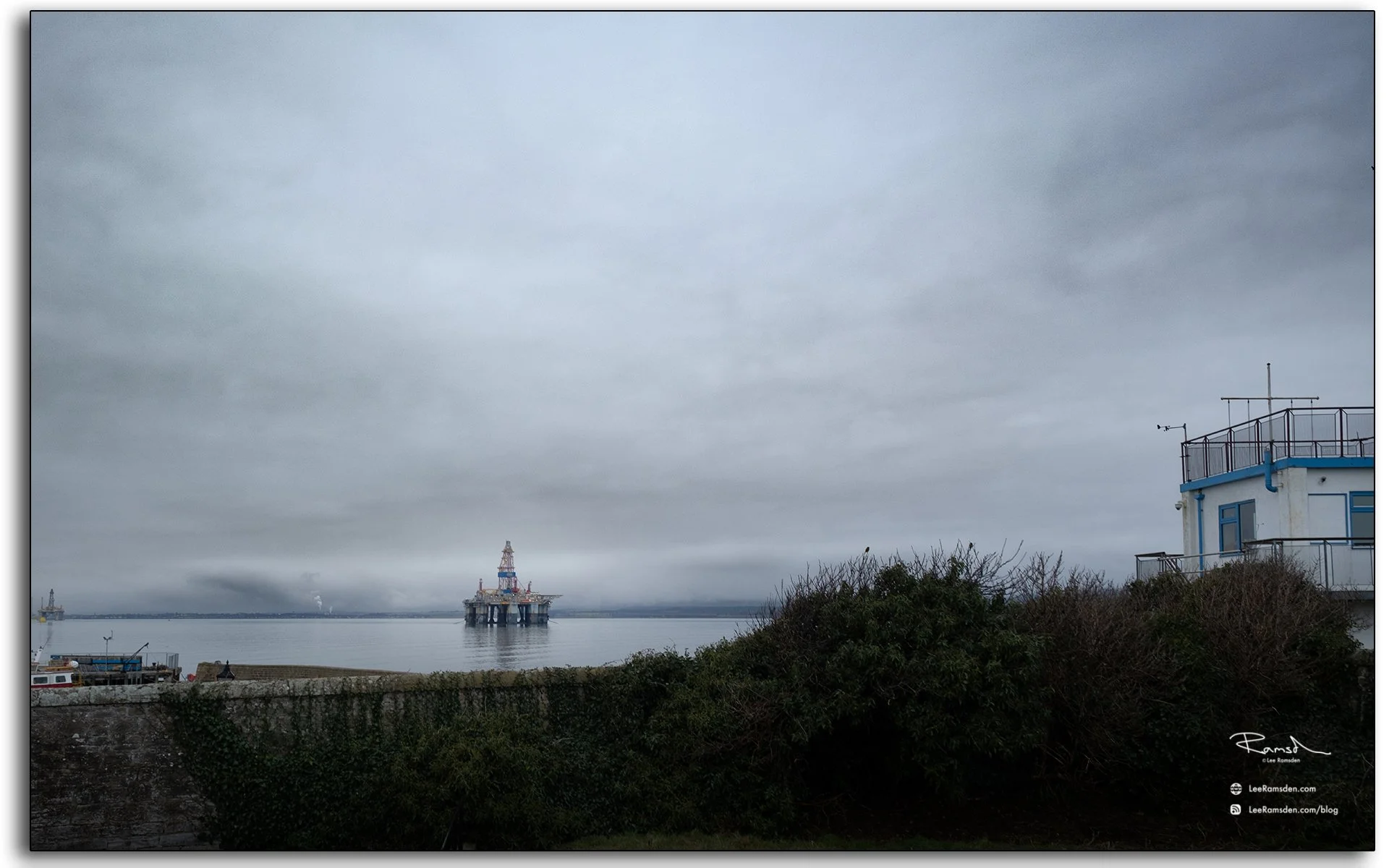
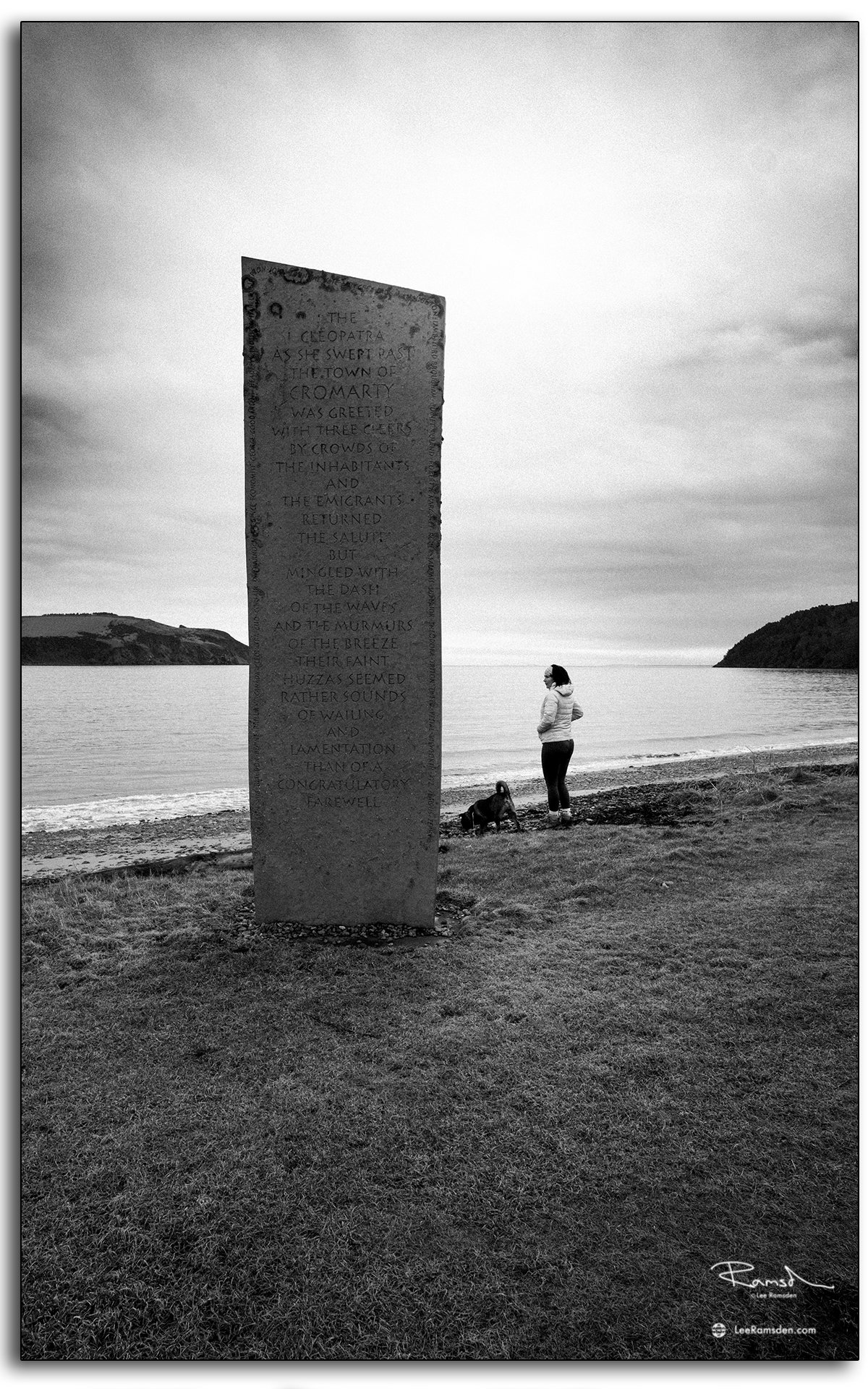
These two photographs were taken from the shoreline at Cromarty. One centres on the Cleopatra Stone, photographed in black and white, with the sea and shoreline beyond. The other looks out across the Cromarty Firth towards an offshore rig, with the edge of the town and harbour in the foreground.

Cromarty itself sits on the southern shore of the mouth of the Cromarty Firth, a place long tied to the sea through fishing, shipping and ferry connections. The town also developed a wider maritime importance because of the Firth’s role as a natural harbour. 

That first image brings in the more modern side of the area. Across the water, the Cromarty Firth and nearby Nigg have long been associated with the offshore industry. The fabrication yard at Nigg was originally developed for North Sea oil and gas work in the early 1970s, and the wider Firth has continued to be linked with rig lay-up, refurbishment and energy-sector activity. 

The Cleopatra Stone is one of Cromarty’s more unusual landmarks. Its inscription refers to the Queen Cleopatra, an emigrant ship associated with people leaving the town, and it captures a more emotional side of coastal history than many formal monuments do.

What I like about these images together is the contrast. One is rooted in memory, migration and local identity. The other is about scale, distance and the working landscape that still defines the Firth today. Cromarty can hold both at once without forcing the point.

Photographically, that makes it an interesting place to return to. You are not just looking at a pretty shoreline. You are looking at a location where personal history, harbour life and the North Sea economy all overlap in a relatively small stretch of coast.

Evening Light at Arbroath Harbour

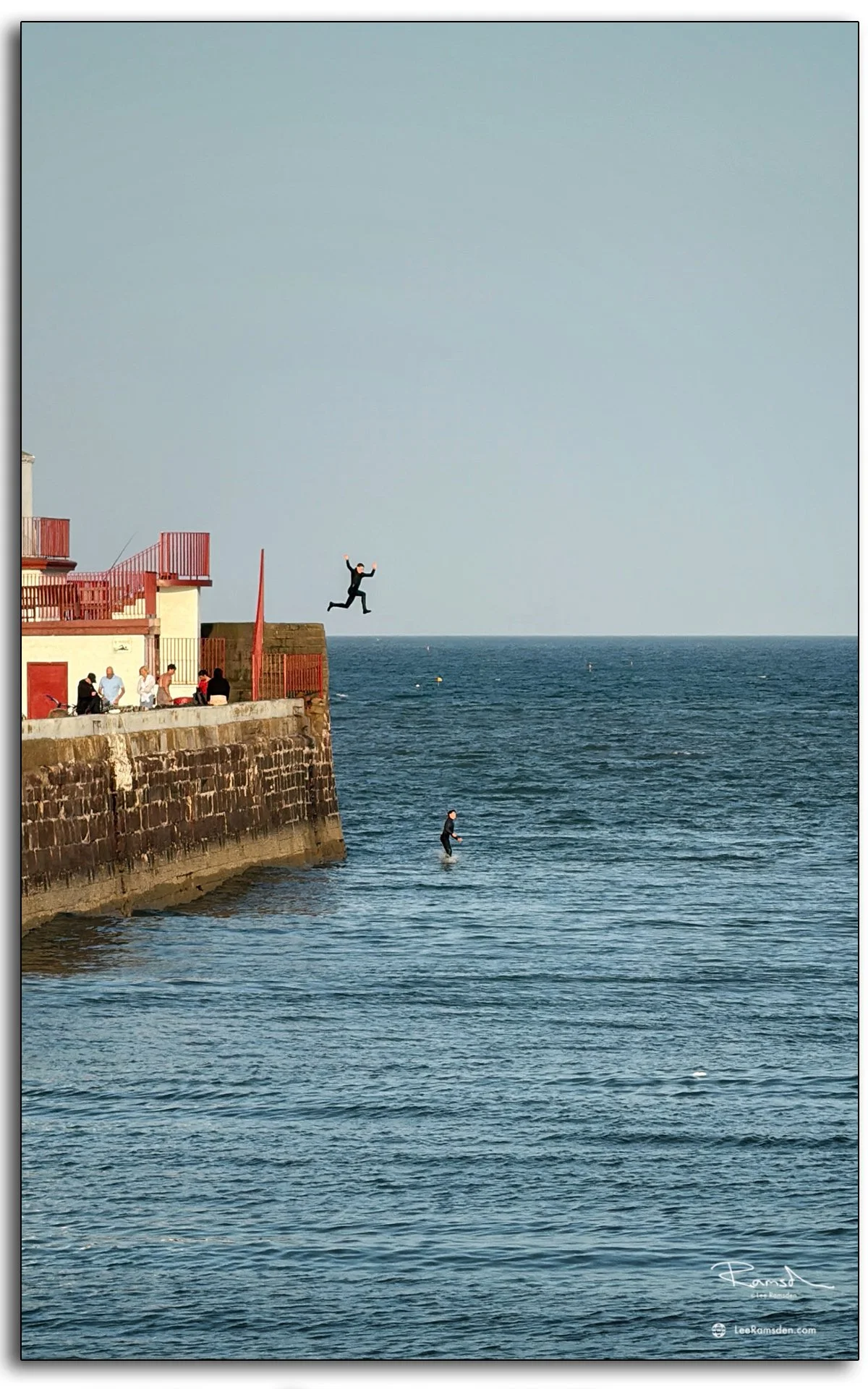
Action at Arbroath Harbour as a local leaps from the harbour wall into the sea.
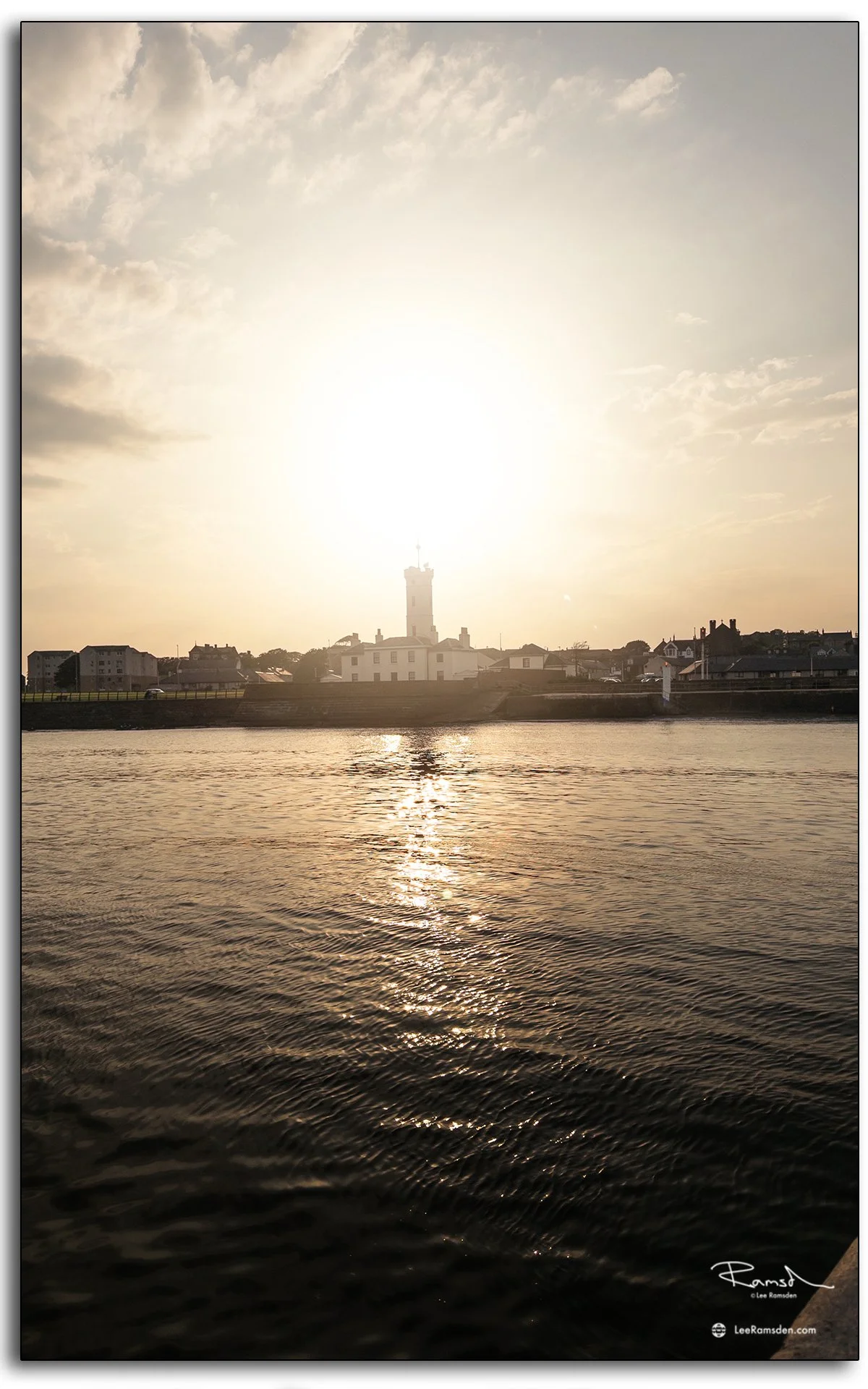
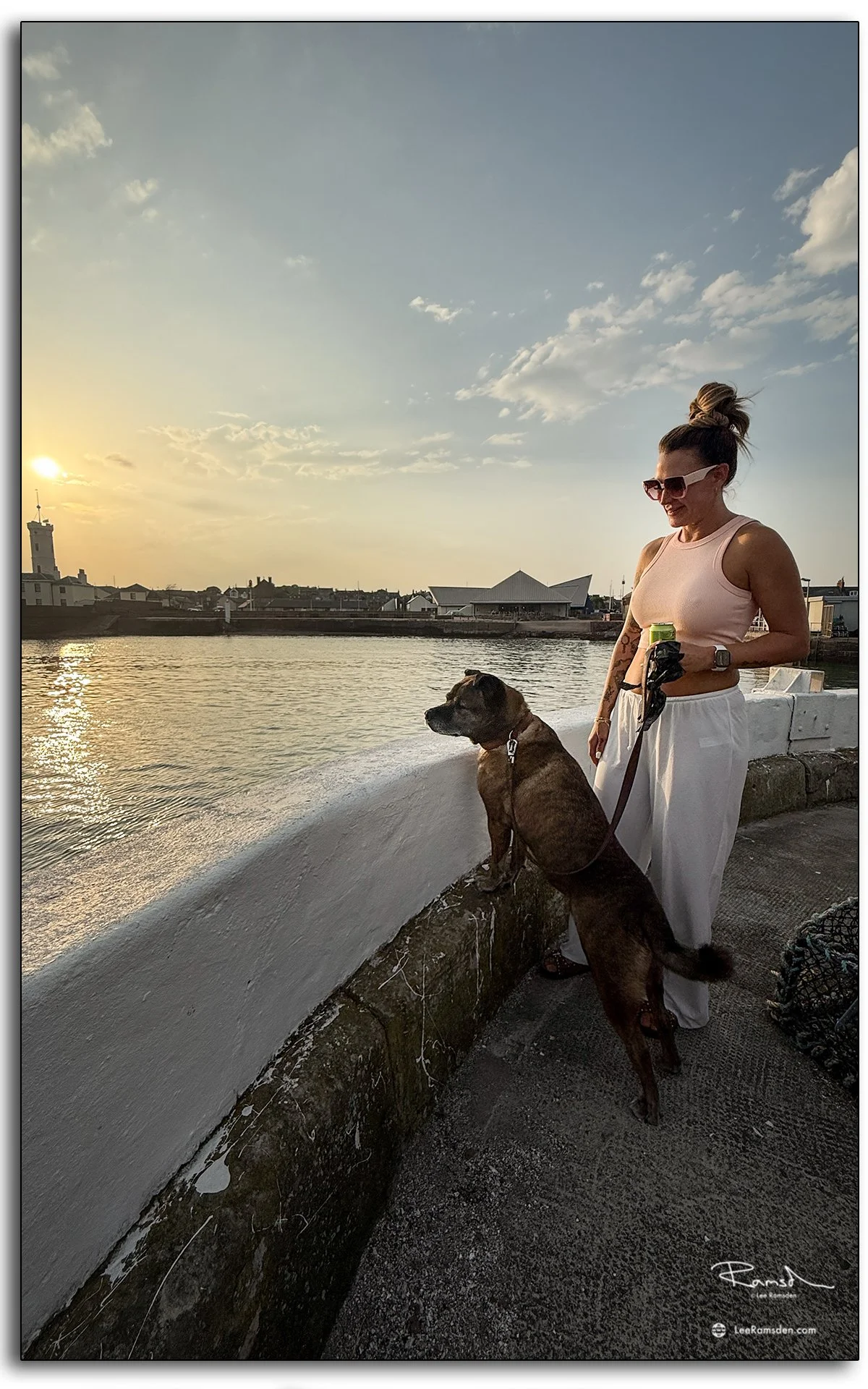
Golden light at Arbroath Harbour with the lighthouse on the horizon.

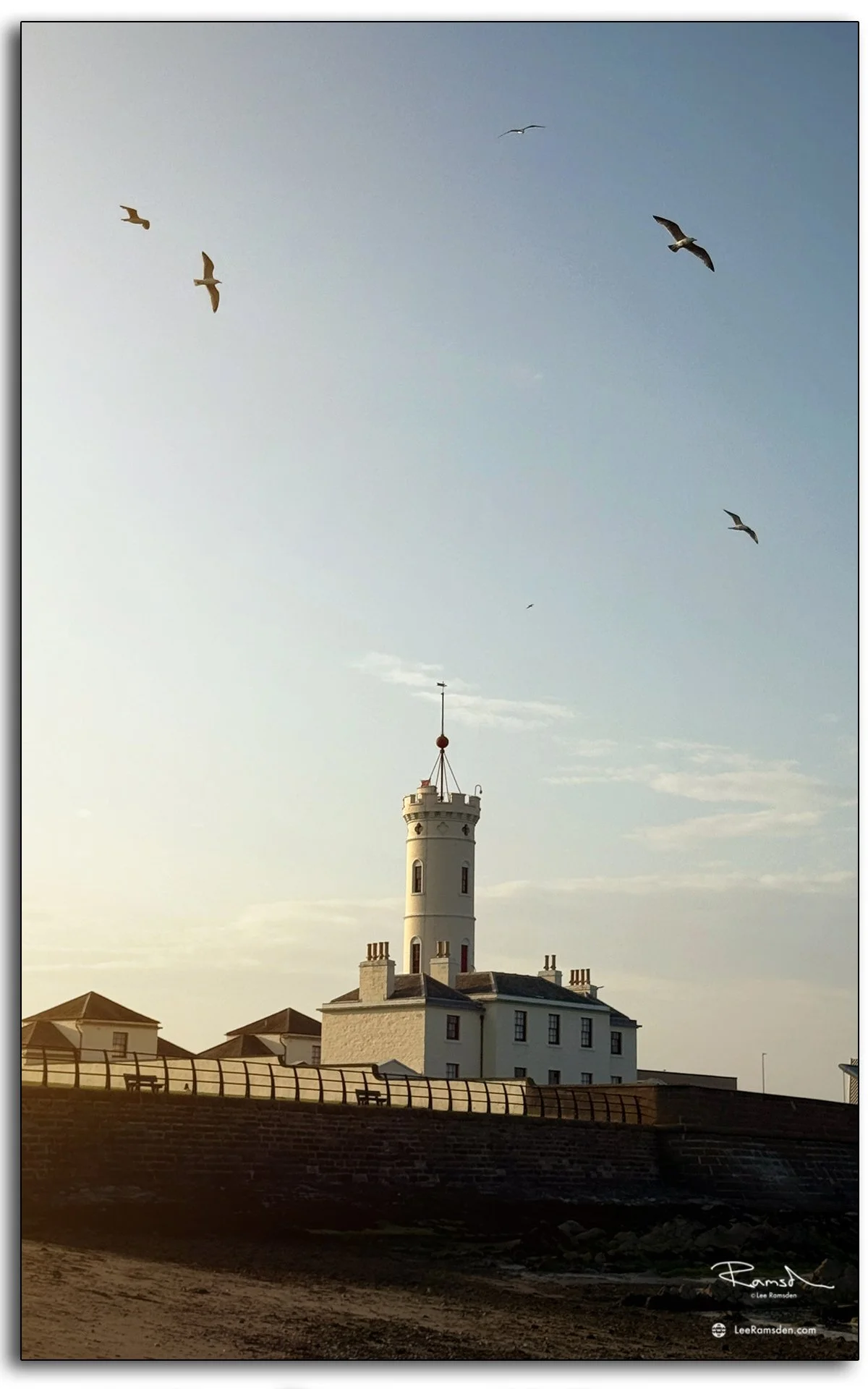
Arbroath Harbour is always full of character, from the energy of locals leaping into the water to the calm stillness of sunset over the lighthouse. These moments, captured with my iPhone on a warm evening, highlight both the vibrancy of the community and the quiet beauty of the coastline.

Arbroath Signal Tower lighthouse framed by seagulls in flight.
Evening walk at Arbroath Harbour, with golden light reflecting on the water.

Harbour life brings together energy and calm in equal measure. To see more of my work exploring Scotland’s coastline and industry, visit my Places and Industrial portfolios.

Cromarty War Graves and the Old Churchyard

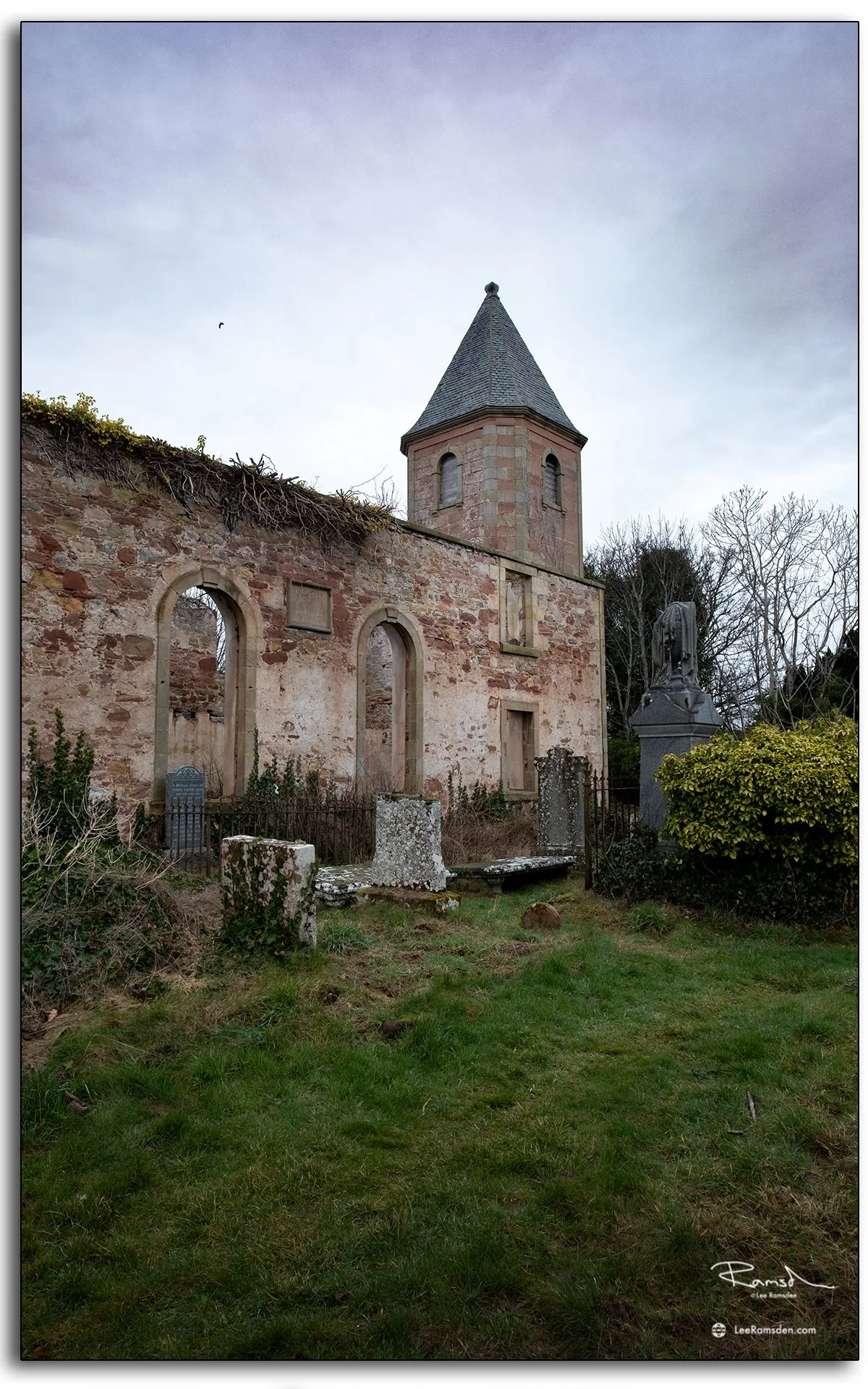
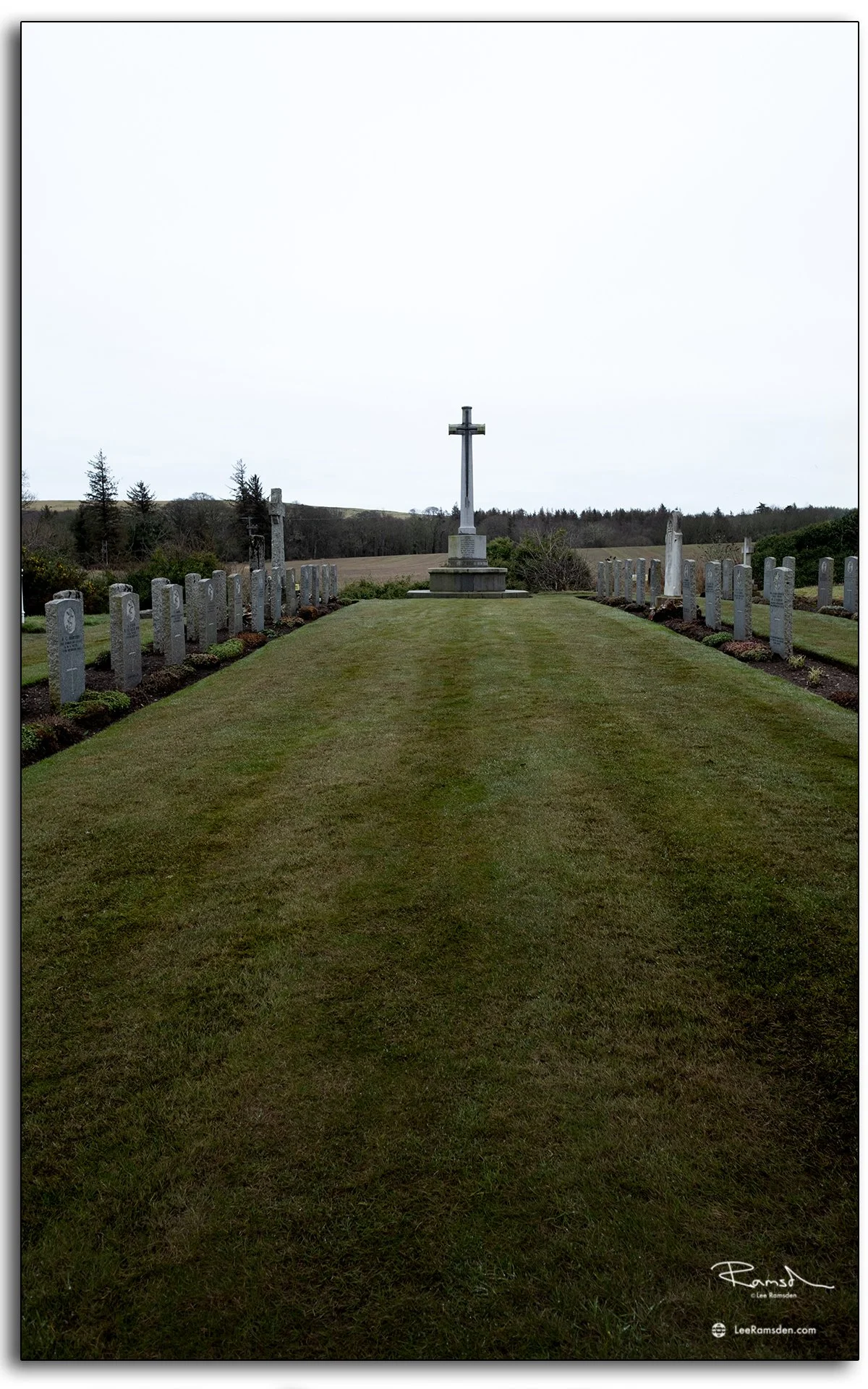
These two photographs were taken in Cromarty and show two closely connected parts of the same place: the older churchyard ruins and the formal war graves section with its cross at the far end of the cemetery. Together, they say quite a lot about how much history can sit in one small Highland town. 

The first image looks into the old churchyard, where the ruined Gaelic Chapel and older burial ground give the place a much longer timeline than the neat lines of the later war graves. The chapel is associated with the Gaelic-speaking community in Cromarty and now survives as a ruin within the burial ground. 

The second image shows the more formal military section of Cromarty Cemetery, where the graves are arranged around a War Cross in the newer extension. According to the Commonwealth War Graves Commission, the cemetery contains 74 Commonwealth burials from the First World War and 4 from the Second World War

That number feels striking for a small place, but Cromarty had a more significant wartime role than many people realise. The CWGC notes that Cromarty was a net-base and that the Cromarty Military Hospital had 226 beds during the First World War. 

The same CWGC record also points to one of the major reasons the cemetery holds so many wartime burials: HMS Natal was wrecked and overturned by an internal explosion in the channel between Cromarty and Invergordon on 30 December 1915. That event left a lasting mark on the area and helps explain why the war graves section is so prominent here. 

What I like about these images together is the contrast in how remembrance is expressed. One side of the cemetery feels irregular, weathered and local, shaped over time by the town itself. The other is formal and deliberate, with the ordered headstones and cross giving the space a very different rhythm. Both belong to the same landscape, and both reflect different layers of Cromarty’s past. 
Arbirlot Walks – Fields, Waterfalls and Woodland

Seagulls take flight across a football pitch in Arbroath.
Woman exploring Arbirlot waterfall near Arbroath.
Dog standing in the river below Arbirlot waterfall.
Green barley field beneath a clear blue summer sky.
Dog running on a woodland path near Arbirlot, Scotland.

A short walk through Arbirlot, just outside Arbroath, takes you from open fields into shaded woodland and down to the small waterfall under the old stone bridge. It’s a quiet spot, ideal for a wander with the dog or simply enjoying the scenery. The mix of farmland, riverside paths and that hidden cascade makes it a favourite place for locals to explore.

The waterfall itself, tucked beneath the bridge, is the highlight. Whether standing above it or cooling off below, it’s a reminder of how much variety you can find within a short distance of town.

Exploring places like Arbirlot shows just how much variety is on offer in this part of Scotland. From open coastlines to tucked-away woodland, I’m always drawn to the mix of landscapes nearby. You can see more of my work across Places and People.

Glamis Castle. Highland games.

Glamis Castle. Highland Games.

The Strathmore Highland Games are held annually in the grounds of Glamis Castle in Angus, and they're one of the more distinctive events in the Scottish calendar. The castle itself provides an extraordinary backdrop — a working historic estate with a history stretching back to the fourteenth century, most closely associated with the Lyon family and later the Bowes-Lyon family, including Queen Elizabeth The Queen Mother, who grew up there.

The games follow a traditional format — heavy athletics including the caber toss and hammer throw, pipe bands, dancing, and the kind of food and atmosphere that makes it worth the journey. These images, shot in black and white, focus on the people, the movement, and the setting rather than the spectacle.

Angus is well placed for this kind of event — Glamis sits just a few miles from Forfar, and the wider Strathmore valley has a long connection to Highland culture and rural Scots tradition. If you're in the area in summer, the games are worth adding to the itinerary.

Black and White Gym Photography – Weightlifting Event in Arbroath

Black and white photograph of a weightlifting competition in Arbroath, Scotland, showing athletes training and competing.

At Warehouse Gym in Arbroath, a weightlifting event provided a chance to capture strength and focus in a stripped-back style. Without colour, the story shifts to contrast, shape, and movement.

The black and white approach highlights athletes in training and competition. Sharp contrasts draw out detail in posture and expression, showing the raw intensity of the sport.

This shoot extends my portfolio of event photography in Scotland, using a simple approach that keeps attention on people and performance.

Dunnottar Castle Sunrise – Drone Photography in Stonehaven, Scotland

Drone photograph of Dunnottar Castle at sunrise in Stonehaven, Scotland, showing the ruins on cliffs above the North Sea.

Few locations on Scotland’s east coast carry as much atmosphere as Dunnottar Castle. Perched high above the North Sea, the ruins dominate the headland and remain one of the country’s most iconic coastal landmarks.

Captured by drone at sunrise, the first light revealed texture in the stonework and depth across the cliffs. The dramatic shadows emphasise both the scale of the castle and the rugged coastline that surrounds it.

The surviving buildings are largely from the 15th and 16th centuries, but the site is believed to have been fortified in the Early Middle Ages.

Dunnottar is best known as the place where the Honours of Scotland, the Scottish crown jewels, were hidden from Oliver Cromwell's invading army in the 17th century.

This work adds to my wider series on Scotland’s coastal landmarks, using drone photography to document places where history and landscape meet.

Rattray Head Lighthouse at Sunrise – Coastal Photography in Aberdeenshire

photograph of Rattray Head Lighthouse at sunrise, captured from the Aberdeenshire coast of Scotland.

Rattray Head Lighthouse sits on a low promontory on the Buchan coast of Aberdeenshire, standing in open water just offshore. Built in 1895 and reaching 120 feet in height, it has guided vessels navigating the treacherous sands around Rattray Head for over 130 years. The area around the head has a long history of shipwrecks, which drove the original decision to build the lighthouse.

These photographs were taken at sunrise, when the first light catches the tower and the surrounding sea is at its calmest. The conditions allowed for clear reflections and strong contrast between the white stonework and the water around the base.

Getting to the lighthouse on foot involves crossing tidal sands, so timing matters — and the reward is a perspective that most visitors to the Aberdeenshire coast never see. The lighthouse is now automated and managed by the Northern Lighthouse Board.

For more coastal and lighthouse photography from Scotland, visit the Places gallery.

St Mary’s Chapel, Rattray – Historic Church Photography in Aberdeenshire

photograph of St Mary’s Chapel in Rattray, Aberdeenshire, Scotland, believed to date back to the early 13th century.

Tucked away in the Buchan countryside near Rattray, St Mary's Chapel is thought to date back to around 1214, making it one of the older surviving ecclesiastical ruins in the north-east of Scotland. Its weathered stone walls are a reminder of a time when this part of Aberdeenshire was a more substantial centre of local life.

These photographs focus on the texture of the stonework and the way the structure sits in the landscape — collapsed in places, but still carrying the proportions and form of a medieval chapel. The site has an unrestored quality to it that sets it apart from more managed heritage locations.

This visit forms part of an ongoing project documenting historic churches and chapels across Scotland, many of which sit quietly in the landscape with little formal recognition. For more church photography, see the Places gallery and the dedicated church posts in the blog.

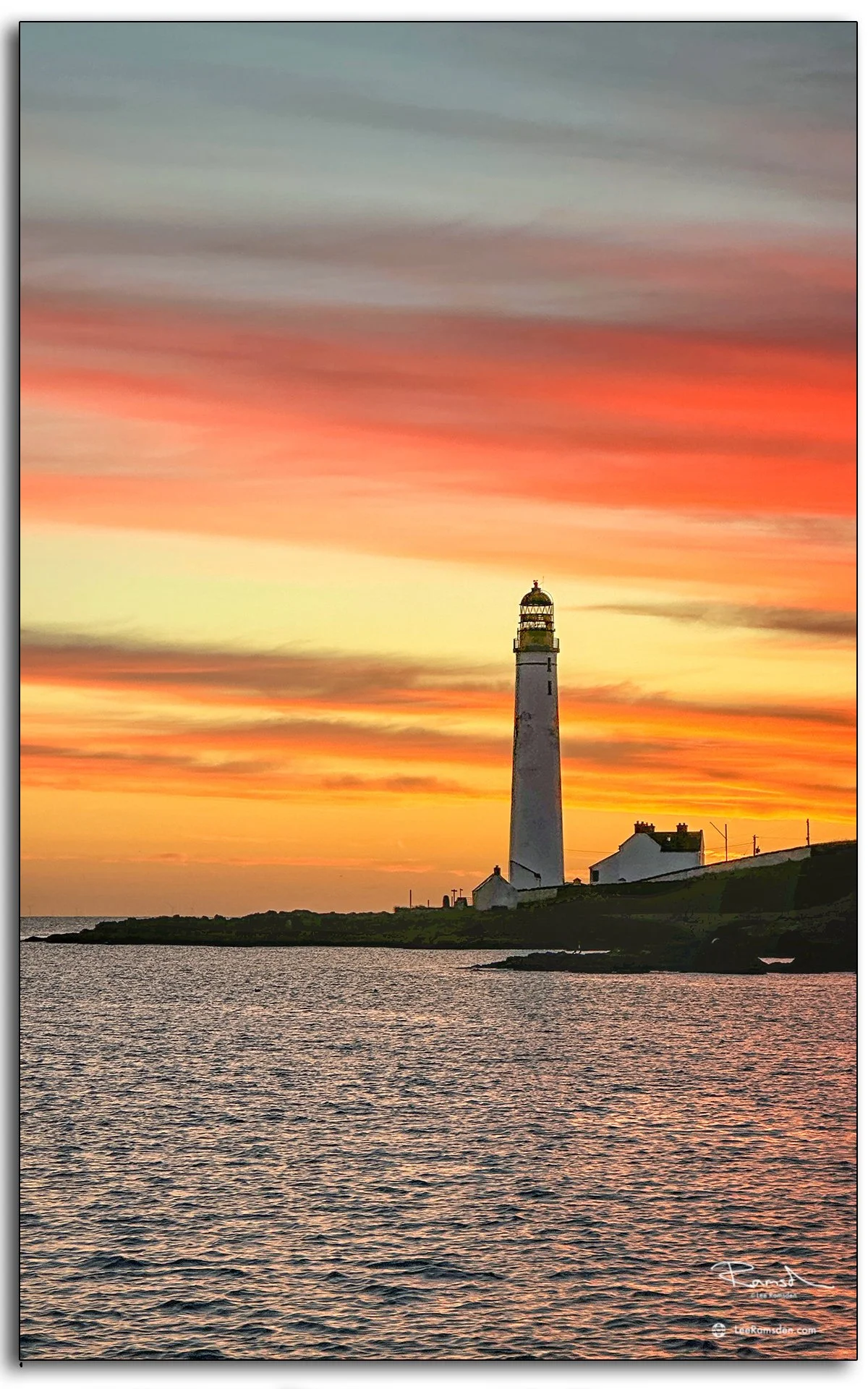
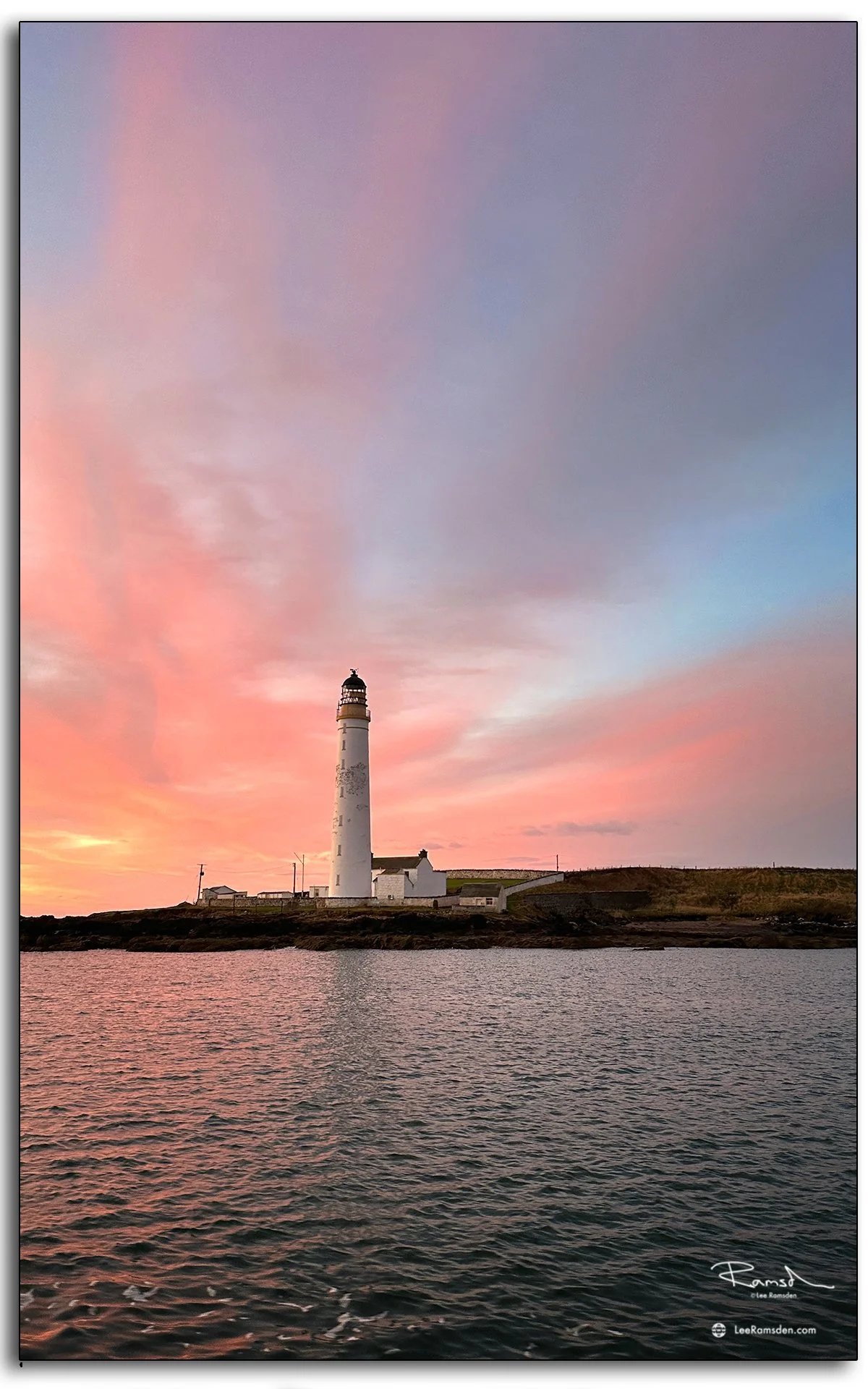
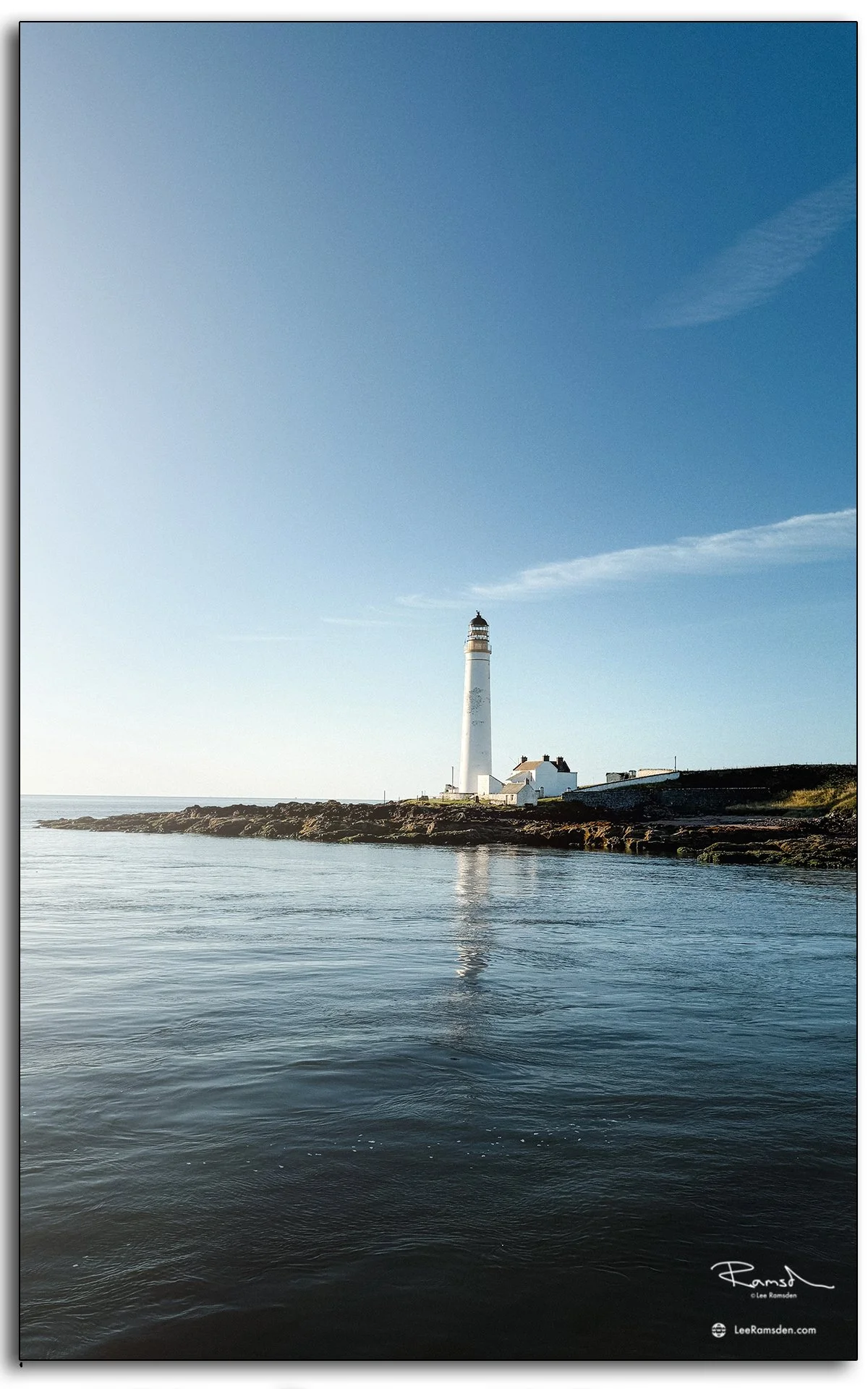
Scurdie Ness Lighthouse – Coastal Photography in Montrose, Scotland

Drone photograph of Scurdie Ness Lighthouse on the Montrose coast, built in 1870 to prevent shipwrecks near the River South Esk.

Built in 1870 after numerous shipwrecks, Scurdie Ness Lighthouse stands at the mouth of the River South Esk, guiding vessels safely along the east coast of Scotland.

Photographed in freezing conditions, these images show the tower against clear skies, highlighting the engineering that still defines the Montrose shoreline today.

Scotland’s lighthouses remain some of the most practical yet visually striking coastal landmarks. This shoot adds to my ongoing series on maritime structures.

Arbroath Harbour — Coastal and Historical Harbour Photography

Red sandstone sea walls and calm reflections at Arbroath Harbour at sunrise, capturing historical coastal architecture.

Arbroath Harbour has carried centuries of history in its red sandstone walls, medieval origins and weather-worn docks. I’ve visited this place several times; when the sky clears and the water calms, the textures of sea, stone, and light combine in ways a single visit can’t capture.

Open wrought iron dock gate at Arbroath Harbour under dawn sky, showing wet dock heritage and structure.
Boats moored inside Arbroath Harbour with pier and sea wall at first light, reflecting maritime roots.

The harbour, medieval in origin, was improved by John Gibb in 1838-39 and extended by James Leslie in 1841-46 to include 2.4 hectares enclosed by red sandstone sea walls. The old 1725 harbour was converted into a wet dock in 1877 — the wrought iron gates remain, now kept open to the North Sea.

Today’s shoot shows weathered stone, calm reflections, the contrast between structure and water, and the soft lines of dawn light reaching the sea wall and boats. Where light hits the sandstone wall or the gates, there’s depth; in the shadows and water, quiet shapes. These images are about material, history, and stillness.

Close-up textures of stone harbour walls and weathered masonry at Arbroath Harbour, photographed in soft light.
Harbour structure reflections in still water at Arbroath Harbour at sunrise, showing symmetry and calm.

Harbours like this connect past and present, where centuries of maritime life continue in stone, wood, and tide. For more harbour and coastal photography with structure and mood, see my Places and Drone galleries.

Arbroath Pilot Office And Signal Lighthouse.

The Arbroath Pilot Office and Signal Lighthouse stand at the entrance to Arbroath Harbour — two of the most recognisable structures on the town's waterfront. The Signal Lighthouse, with its distinctive white tower, has marked the harbour entrance for vessels approaching along the Angus coast for well over a century.

Arbroath Harbour itself has medieval origins, developed as a working port serving the town and the broader coastal trade of the east coast. The harbour was substantially improved in the 18th and 19th centuries, with the stone quays and piers that define it today largely the product of Victorian-era construction.
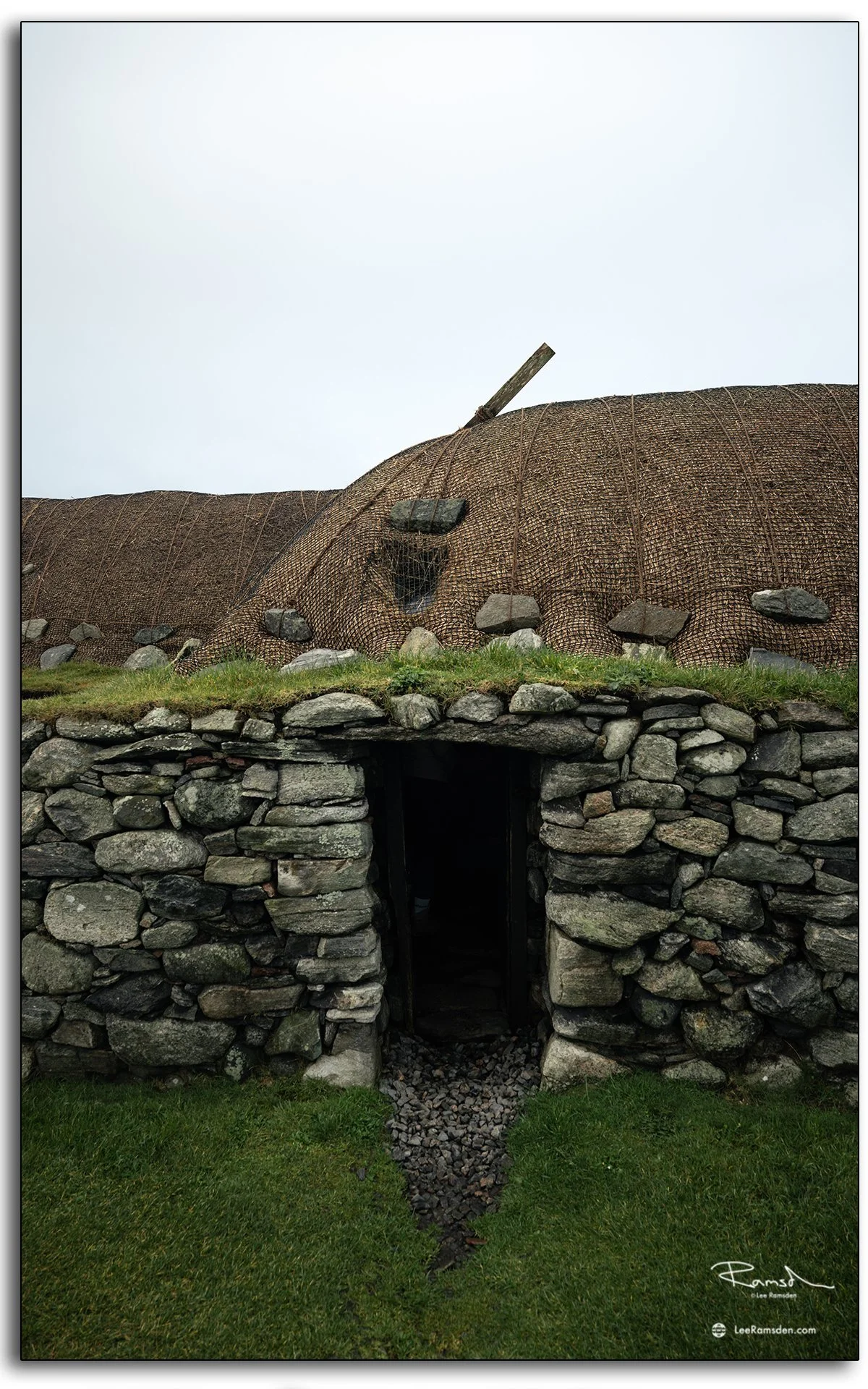
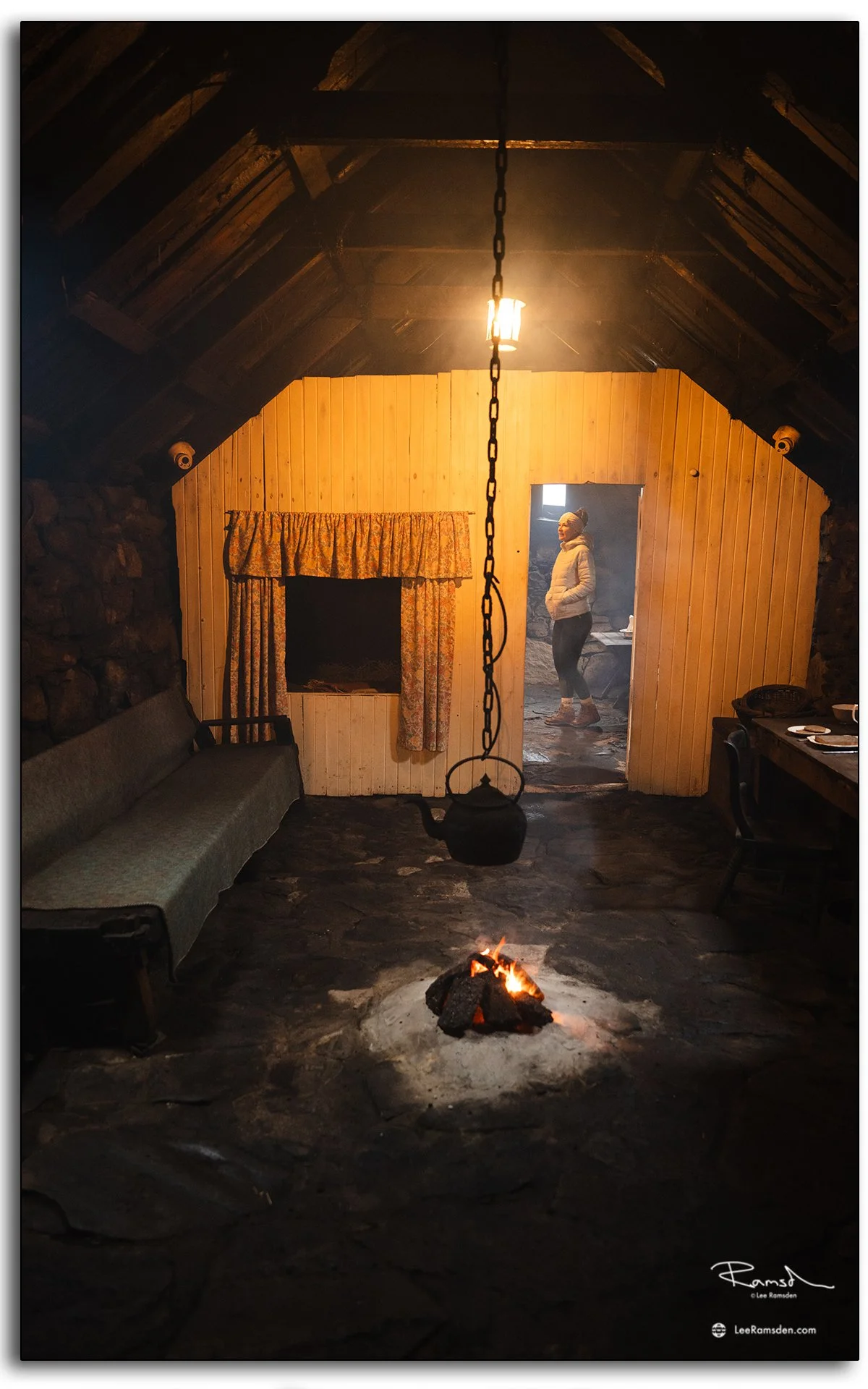
These photographs focus on the character of the harbour buildings rather than the wider harbour activity — the texture of the stonework, the lighthouse structure, and the way the buildings sit in relation to the water and the sky. The conditions at the time of shooting gave strong contrast and clean light across the stone.

For more photography from Arbroath and the Angus coast, explore the Places gallery and the Arbroath tag in the blog.

Arbroath cliffs trail.

Imagine standing atop rugged cliffs, with the North Sea crashing below and the wind whipping through your hair.

Welcome to the Arbroath Cliffs Walk, where nature’s raw beauty meets Scotland’s storied coastline.

The Arbroath Cliffs Walk stretches along Scotland’s east coast, offering a 4-mile trail filled with dramatic cliff faces, natural rock formations, and panoramic sea views.

Have you walked the Arbroath Cliffs? Share your favorite spots or good photography walk in the comments on my instagram @lee_ramsden as I would love to hear your thoughts.

Thanks

Lee