Aberdeenshire

Urban Seagulls.

Seagull

Urban Seagulls

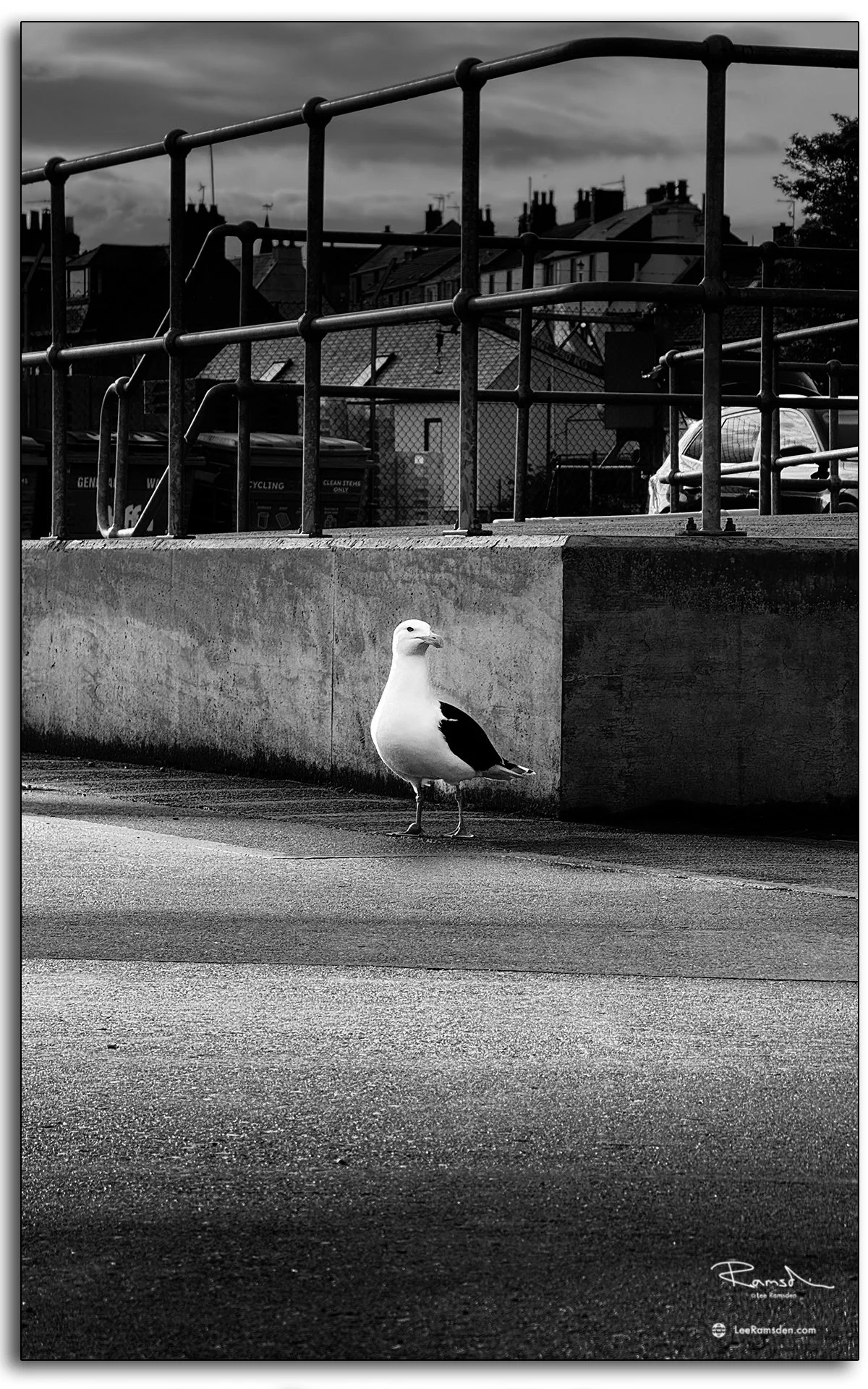
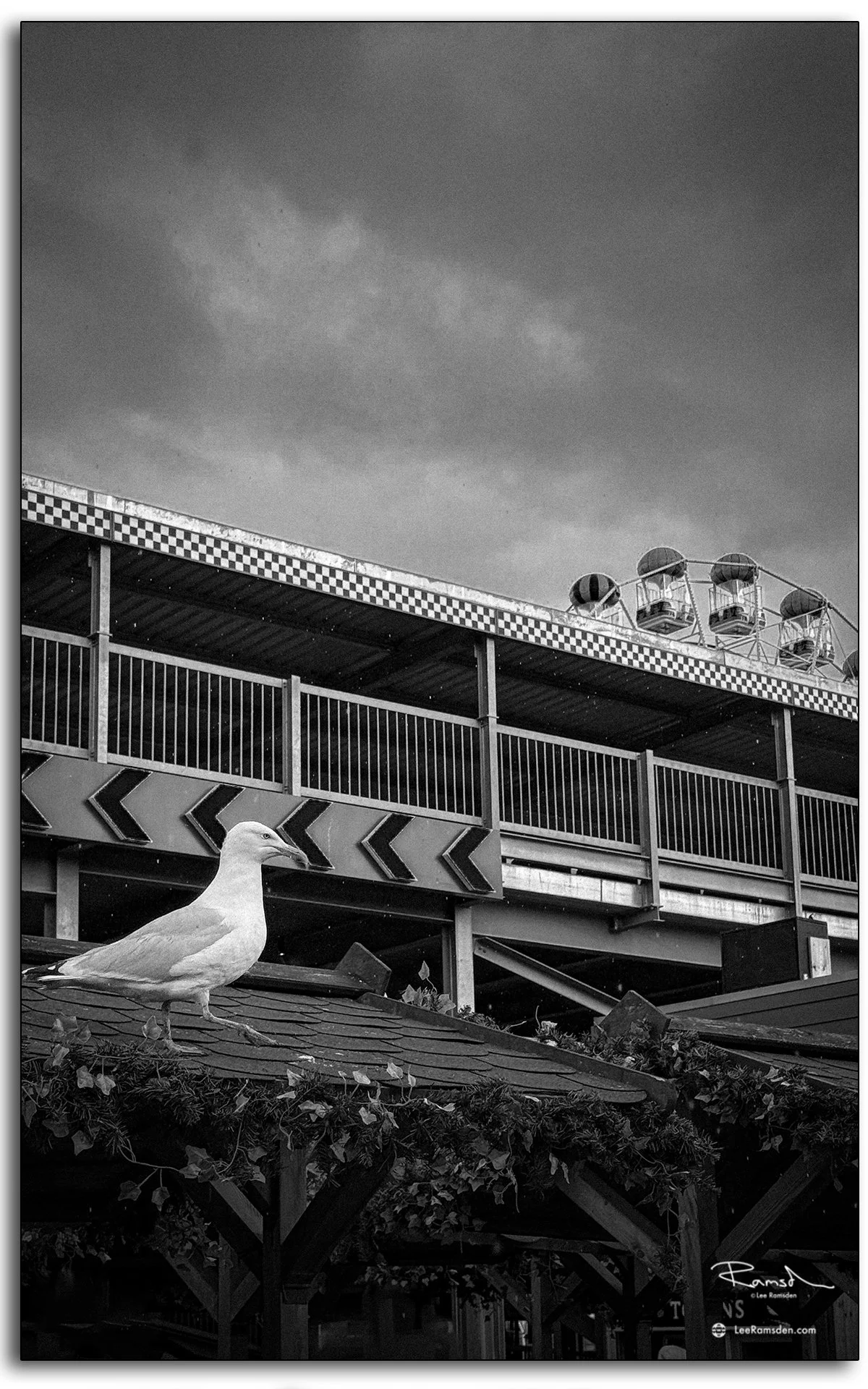
Seagulls are so familiar in coastal towns that they're easy to overlook photographically. These two black and white images take a closer look at how they occupy man-made environments — not as visitors to the urban landscape, but as permanent residents entirely at home in it.

The first shows a gull perched against a backdrop of concrete and steel, the hard geometry of the structure contrasting with the softness of the bird's plumage. The second places one near a fairground ride — an unlikely combination that works because both belong to the same seaside world.

Shooting in monochrome suits this subject well. Without colour, the focus shifts to form, texture, and the relationship between the bird and its surroundings. Gulls are bold, adaptable, and largely indifferent to people, which makes them easier to photograph candidly than most wildlife.

Both images were taken in the Angus and Aberdeenshire area of Scotland — locations where the boundary between town and coast is never far away.

For more wildlife and coastal photography, explore the Places gallery.
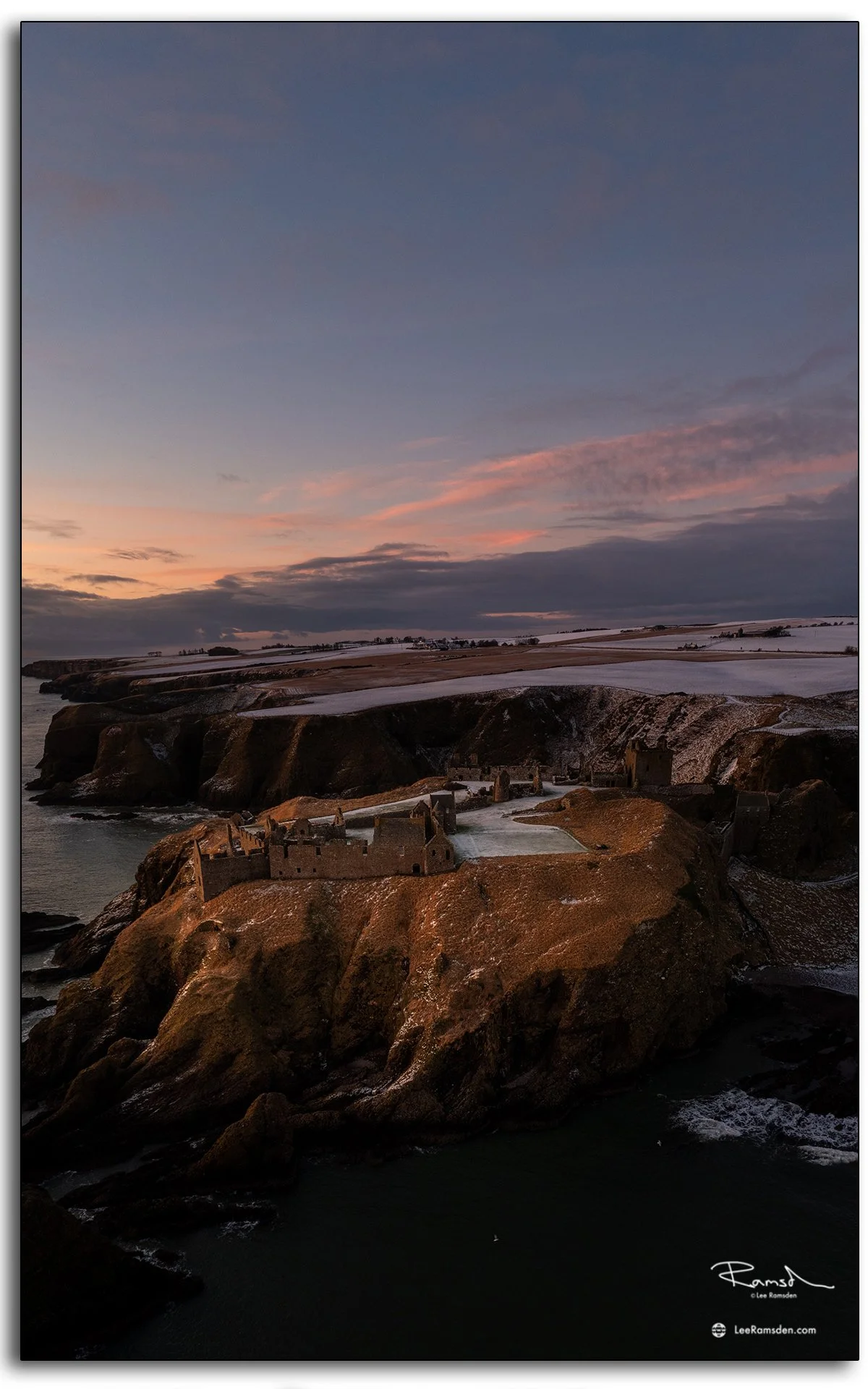
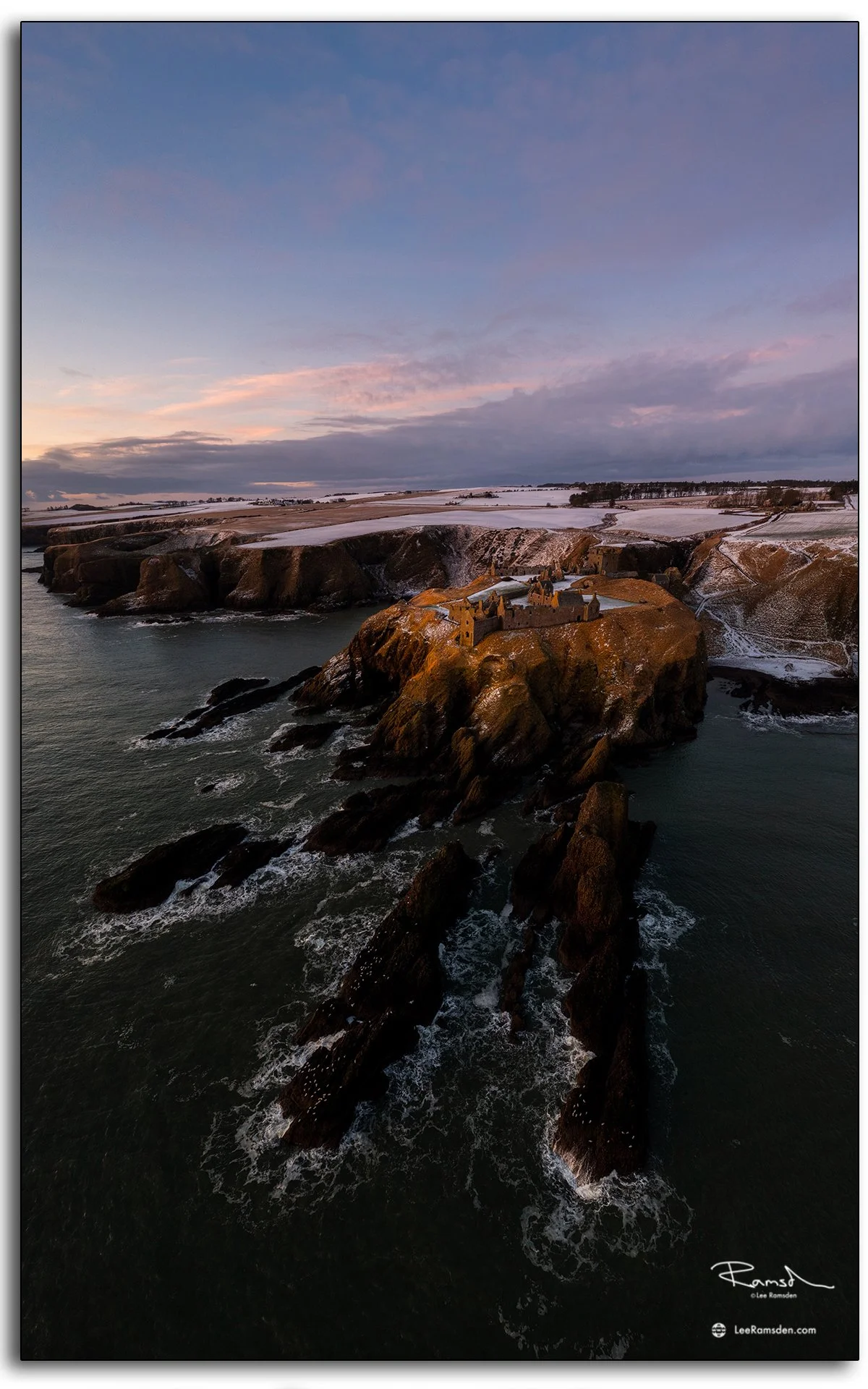
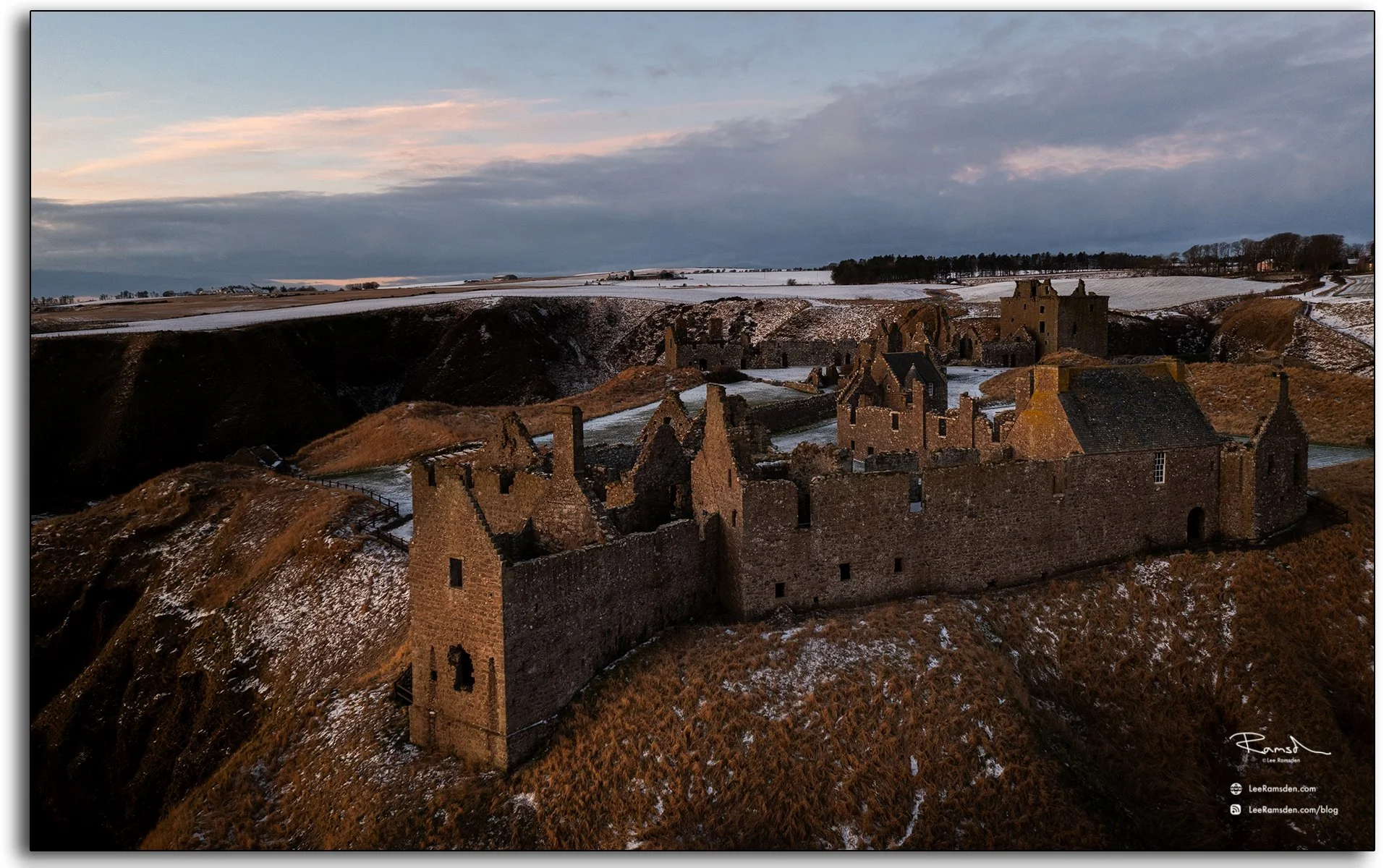
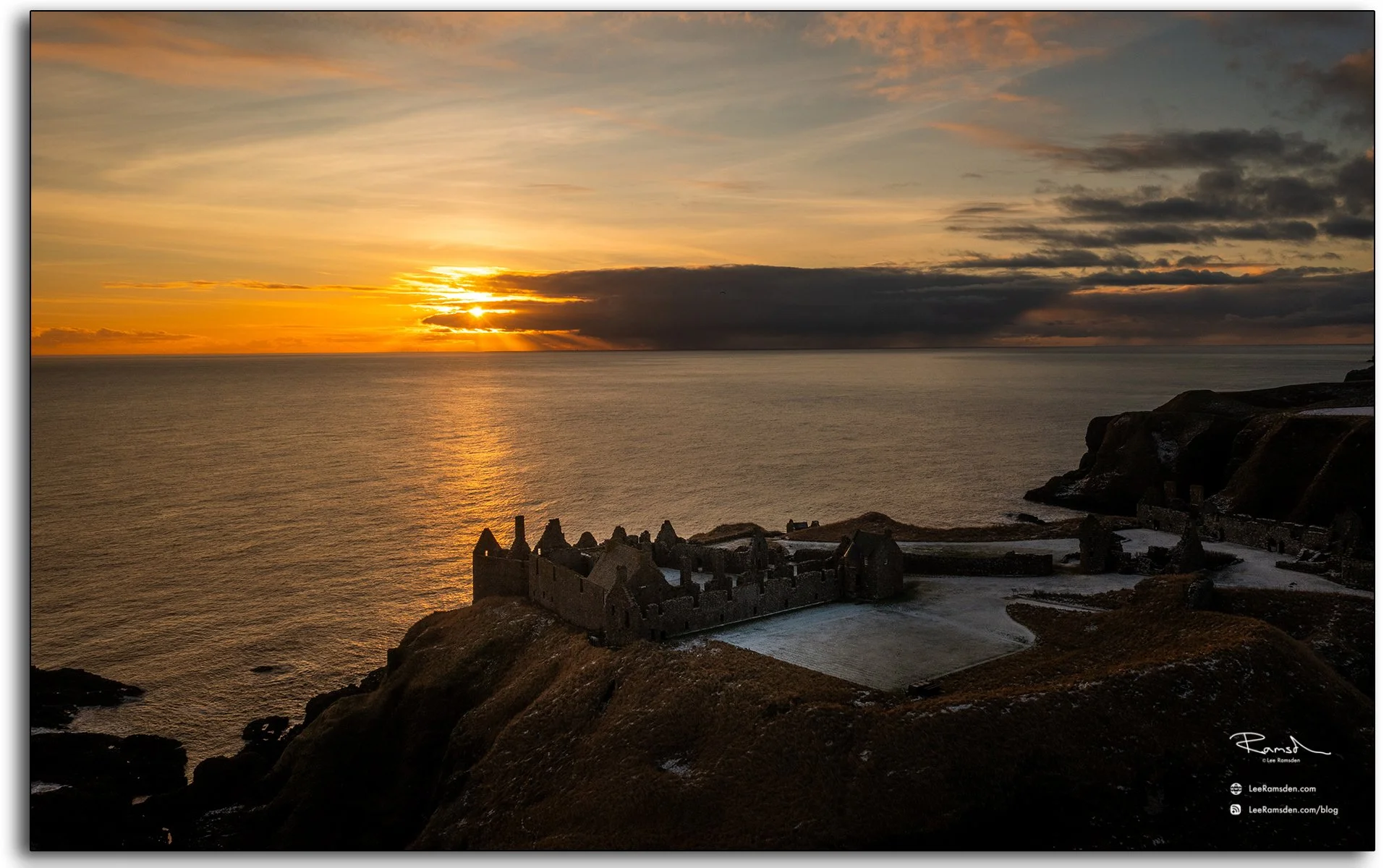
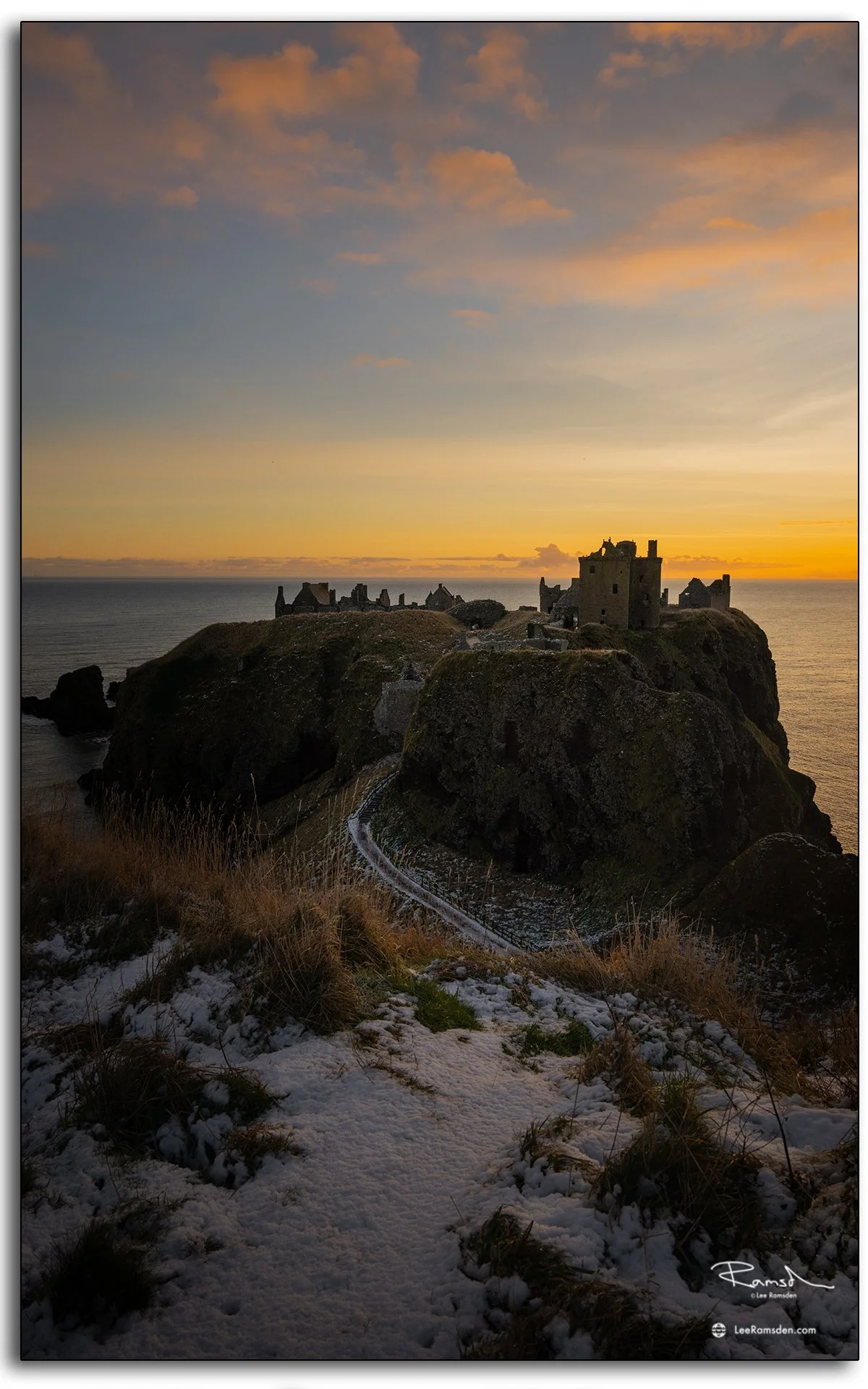
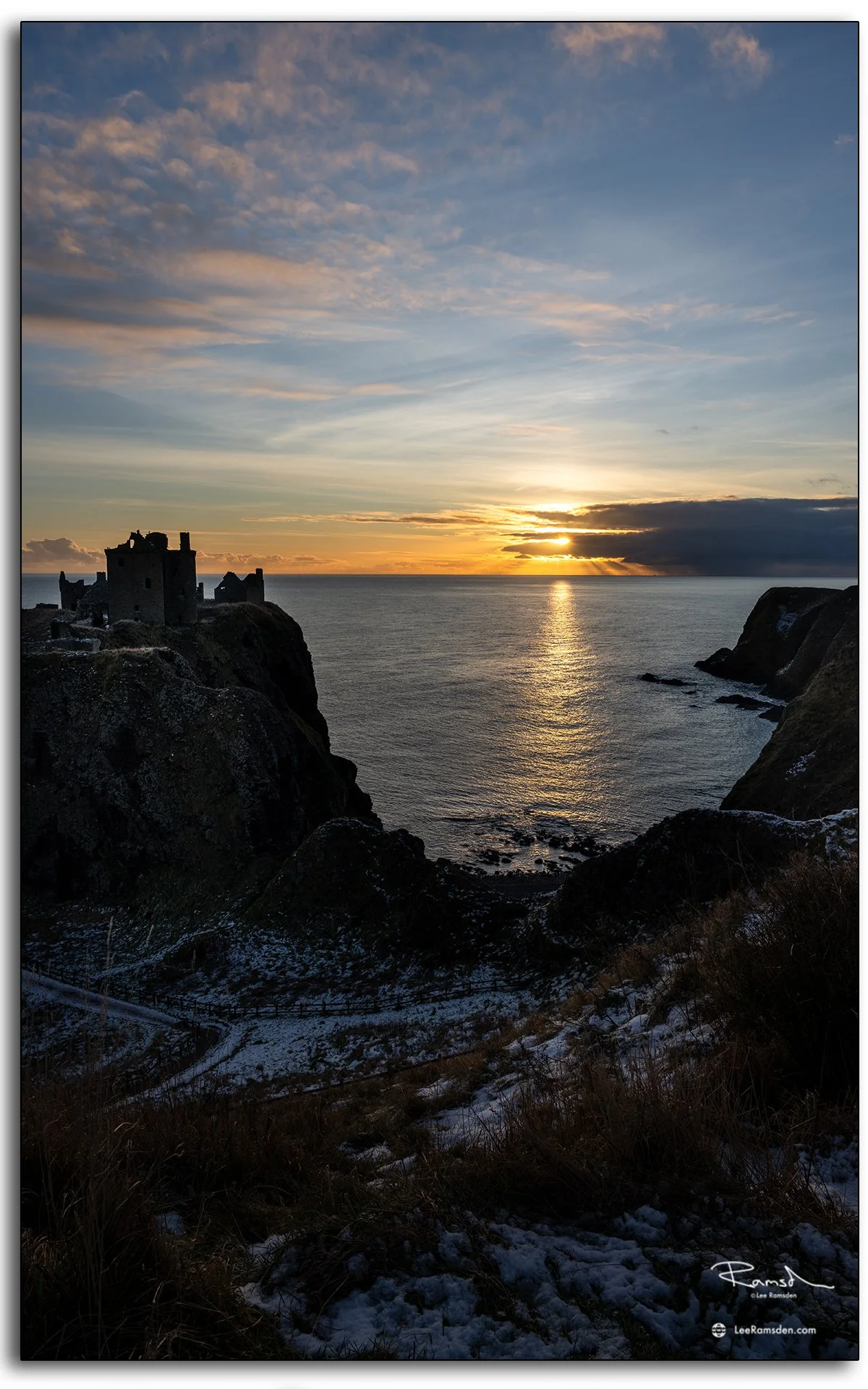
Dunnottar Castle Sunrise – Drone Photography in Stonehaven, Scotland

Drone photograph of Dunnottar Castle at sunrise in Stonehaven, Scotland, showing the ruins on cliffs above the North Sea.

Few locations on Scotland’s east coast carry as much atmosphere as Dunnottar Castle. Perched high above the North Sea, the ruins dominate the headland and remain one of the country’s most iconic coastal landmarks.

Captured by drone at sunrise, the first light revealed texture in the stonework and depth across the cliffs. The dramatic shadows emphasise both the scale of the castle and the rugged coastline that surrounds it.

The surviving buildings are largely from the 15th and 16th centuries, but the site is believed to have been fortified in the Early Middle Ages.

Dunnottar is best known as the place where the Honours of Scotland, the Scottish crown jewels, were hidden from Oliver Cromwell's invading army in the 17th century.

This work adds to my wider series on Scotland’s coastal landmarks, using drone photography to document places where history and landscape meet.

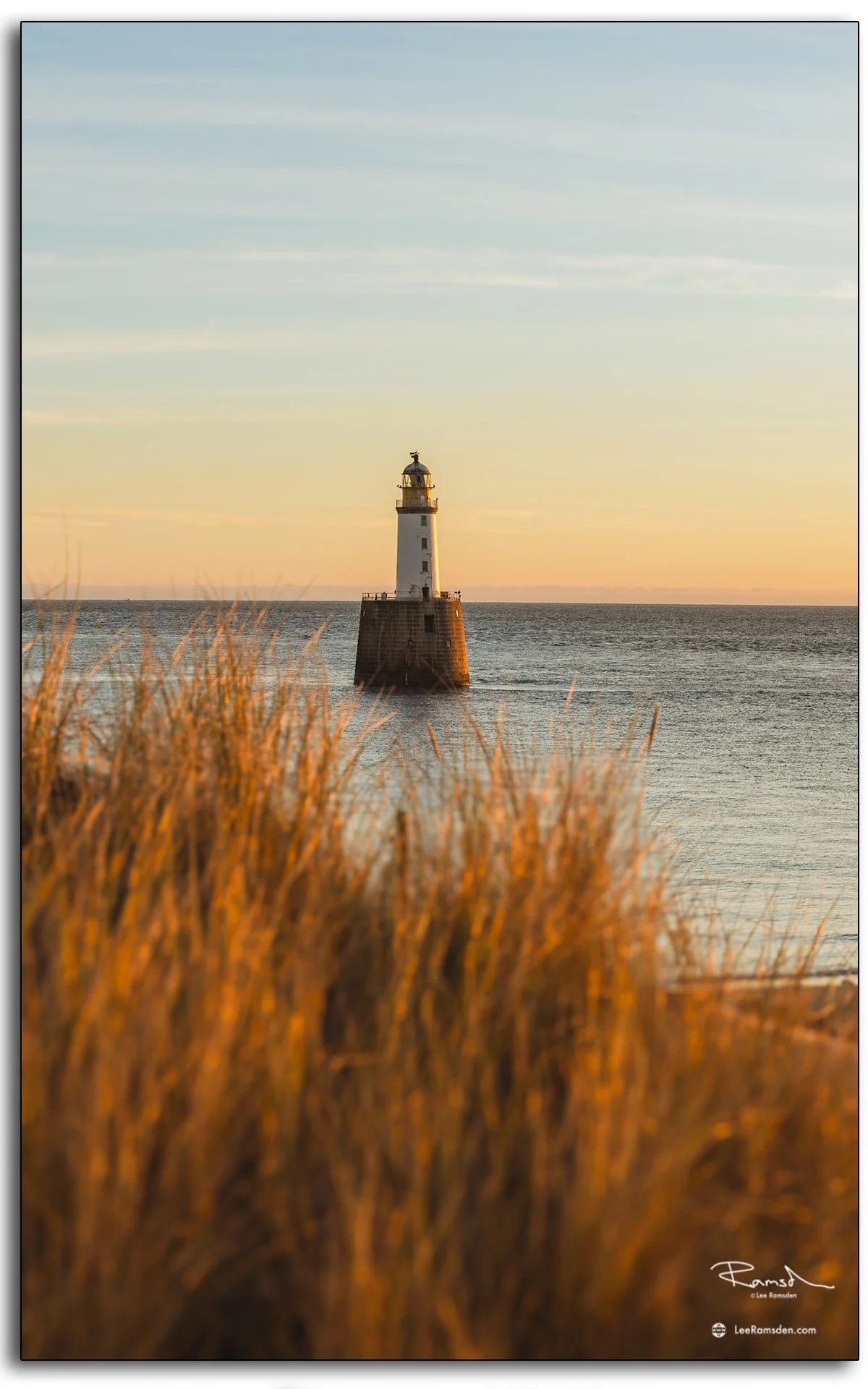
Rattray Head Lighthouse at Sunrise – Coastal Photography in Aberdeenshire

photograph of Rattray Head Lighthouse at sunrise, captured from the Aberdeenshire coast of Scotland.

Rattray Head Lighthouse sits on a low promontory on the Buchan coast of Aberdeenshire, standing in open water just offshore. Built in 1895 and reaching 120 feet in height, it has guided vessels navigating the treacherous sands around Rattray Head for over 130 years. The area around the head has a long history of shipwrecks, which drove the original decision to build the lighthouse.

These photographs were taken at sunrise, when the first light catches the tower and the surrounding sea is at its calmest. The conditions allowed for clear reflections and strong contrast between the white stonework and the water around the base.

Getting to the lighthouse on foot involves crossing tidal sands, so timing matters — and the reward is a perspective that most visitors to the Aberdeenshire coast never see. The lighthouse is now automated and managed by the Northern Lighthouse Board.

For more coastal and lighthouse photography from Scotland, visit the Places gallery.

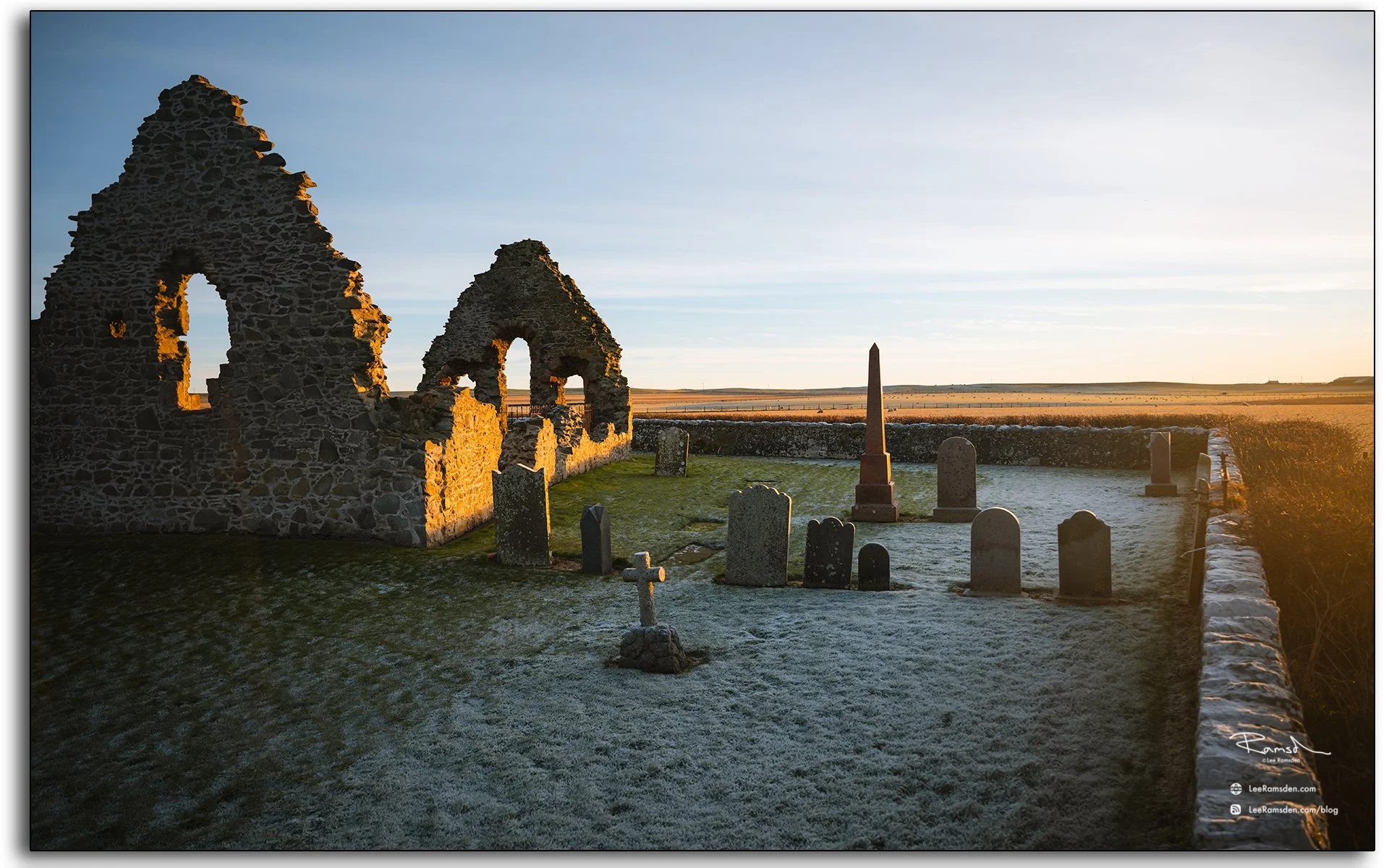
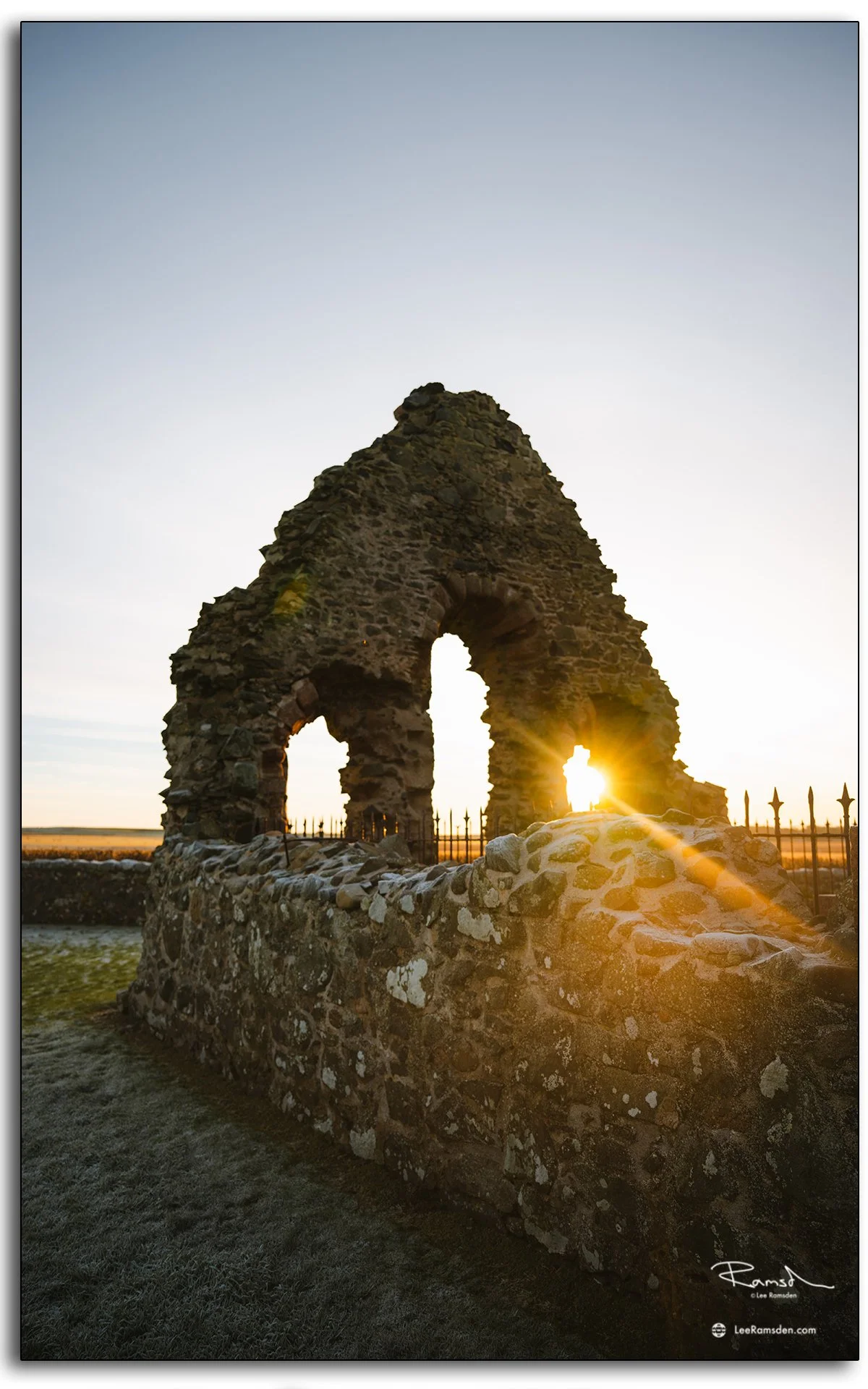
St Mary’s Chapel, Rattray – Historic Church Photography in Aberdeenshire

photograph of St Mary’s Chapel in Rattray, Aberdeenshire, Scotland, believed to date back to the early 13th century.

Tucked away in the Buchan countryside near Rattray, St Mary's Chapel is thought to date back to around 1214, making it one of the older surviving ecclesiastical ruins in the north-east of Scotland. Its weathered stone walls are a reminder of a time when this part of Aberdeenshire was a more substantial centre of local life.

These photographs focus on the texture of the stonework and the way the structure sits in the landscape — collapsed in places, but still carrying the proportions and form of a medieval chapel. The site has an unrestored quality to it that sets it apart from more managed heritage locations.

This visit forms part of an ongoing project documenting historic churches and chapels across Scotland, many of which sit quietly in the landscape with little formal recognition. For more church photography, see the Places gallery and the dedicated church posts in the blog.