black and white photography

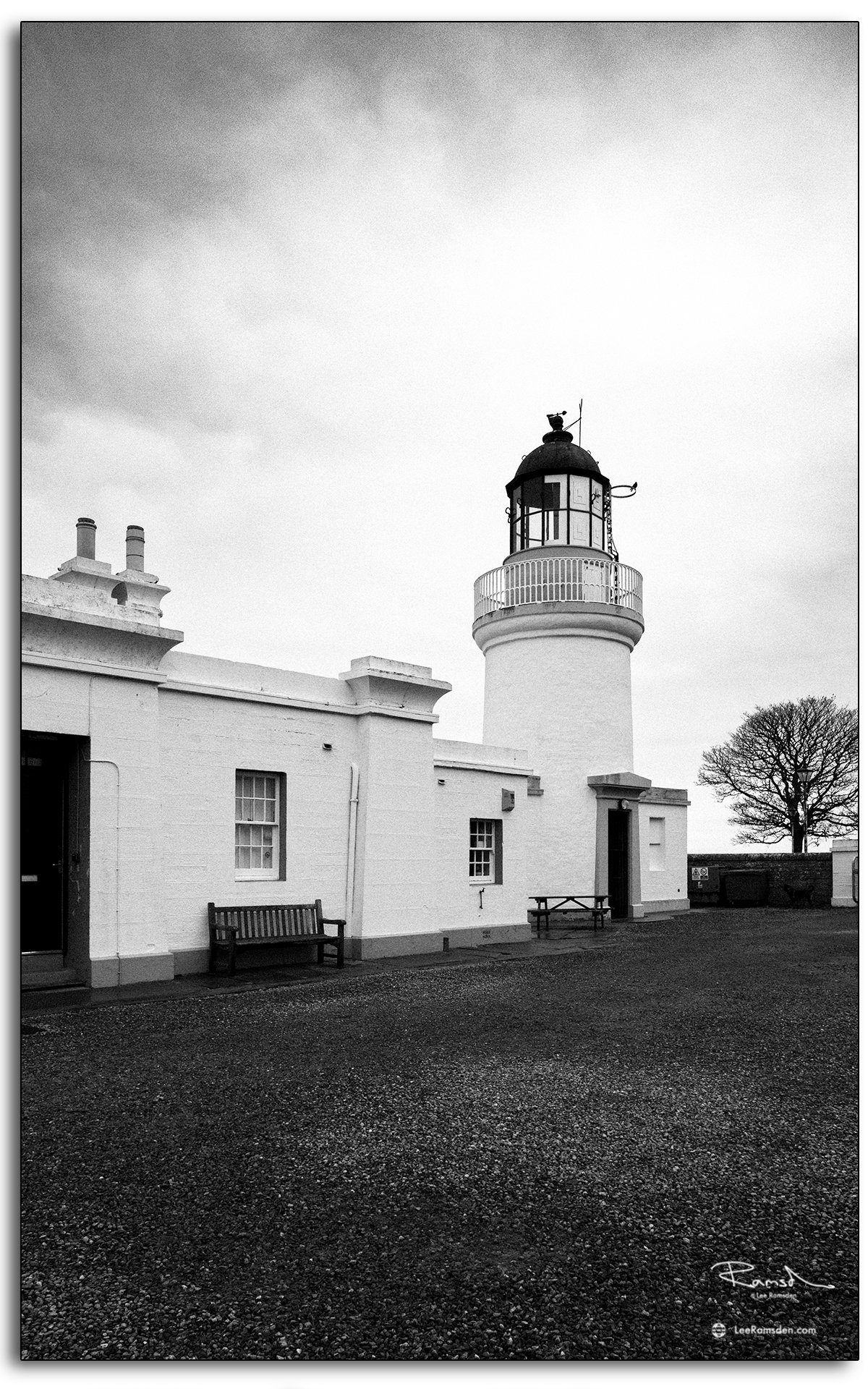
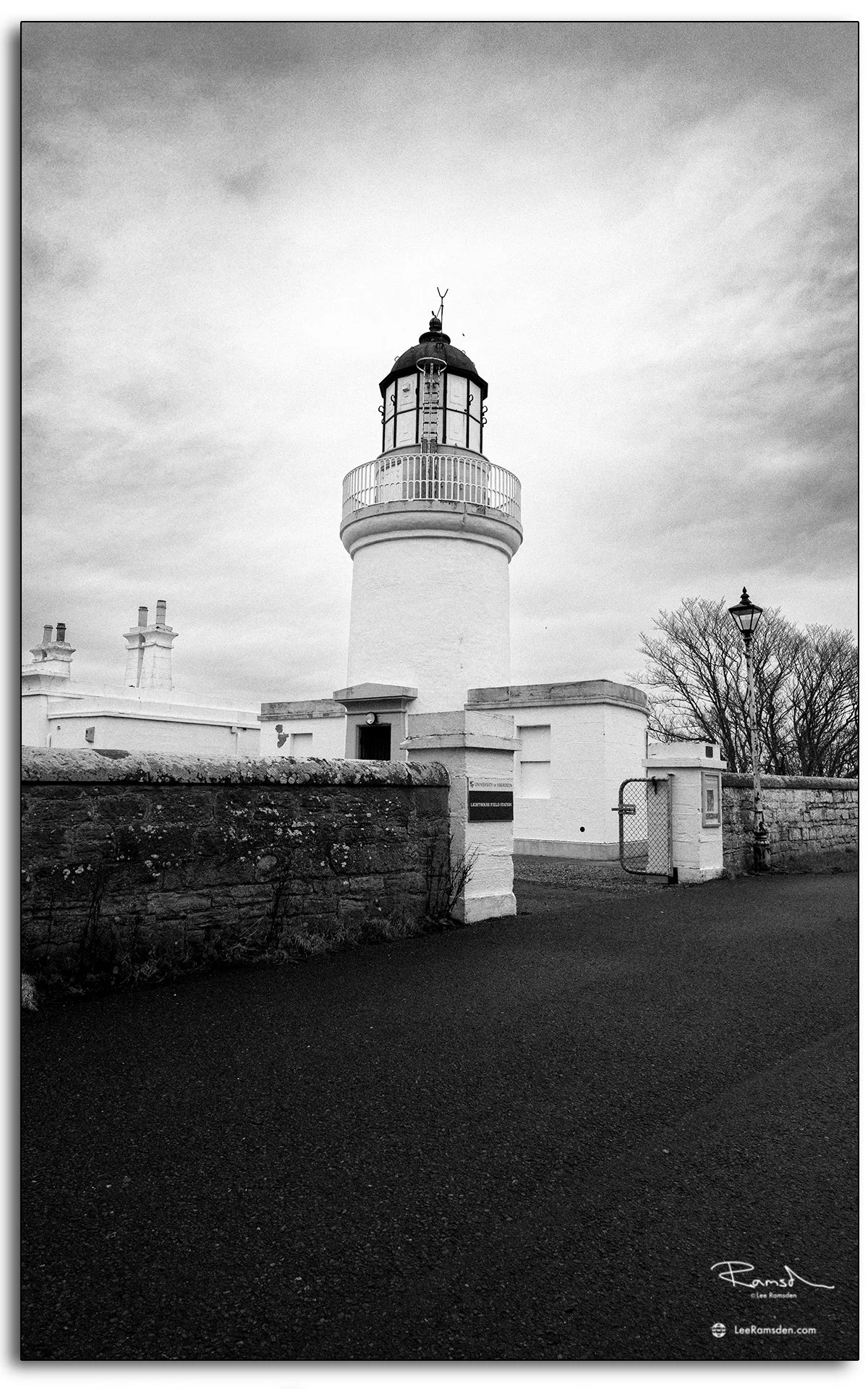
Cromarty Lighthouse on the Black Isle

These photographs were taken in Cromarty on the Black Isle, looking at the lighthouse from two slightly different angles. The monochrome treatment felt right for this set. It gives the building a more documentary look and pulls it closer to its working history rather than presenting it as a purely scenic coastal landmark.

Cromarty Lighthouse was first established in 1846 to guide vessels from the Moray Firth into the Cromarty Firth. It was designed by Alan Stevenson, part of the famous Stevenson family of lighthouse engineers. 

The light later became automatic in 1985, and it was withdrawn from service in 2006. After decommissioning, the site passed into academic use, and the buildings are now associated with the University of Aberdeen’s Lighthouse Field Station

That history gives the site more weight than a simple lighthouse stop on the coast. It stood at an important entrance to the Cromarty Firth, an area long valued for its sheltered waters and maritime importance. Even now, the building still carries that sense of purpose. 

Cromarty has no shortage of history, but the lighthouse is one of the clearest reminders that this small town was connected to much larger routes, movements and industries at sea.
Cromarty: The Cleopatra Stone and the Firth Beyond

Cromarty is the sort of place where history and industry can sit in the same frame, even when they belong to very different centuries.

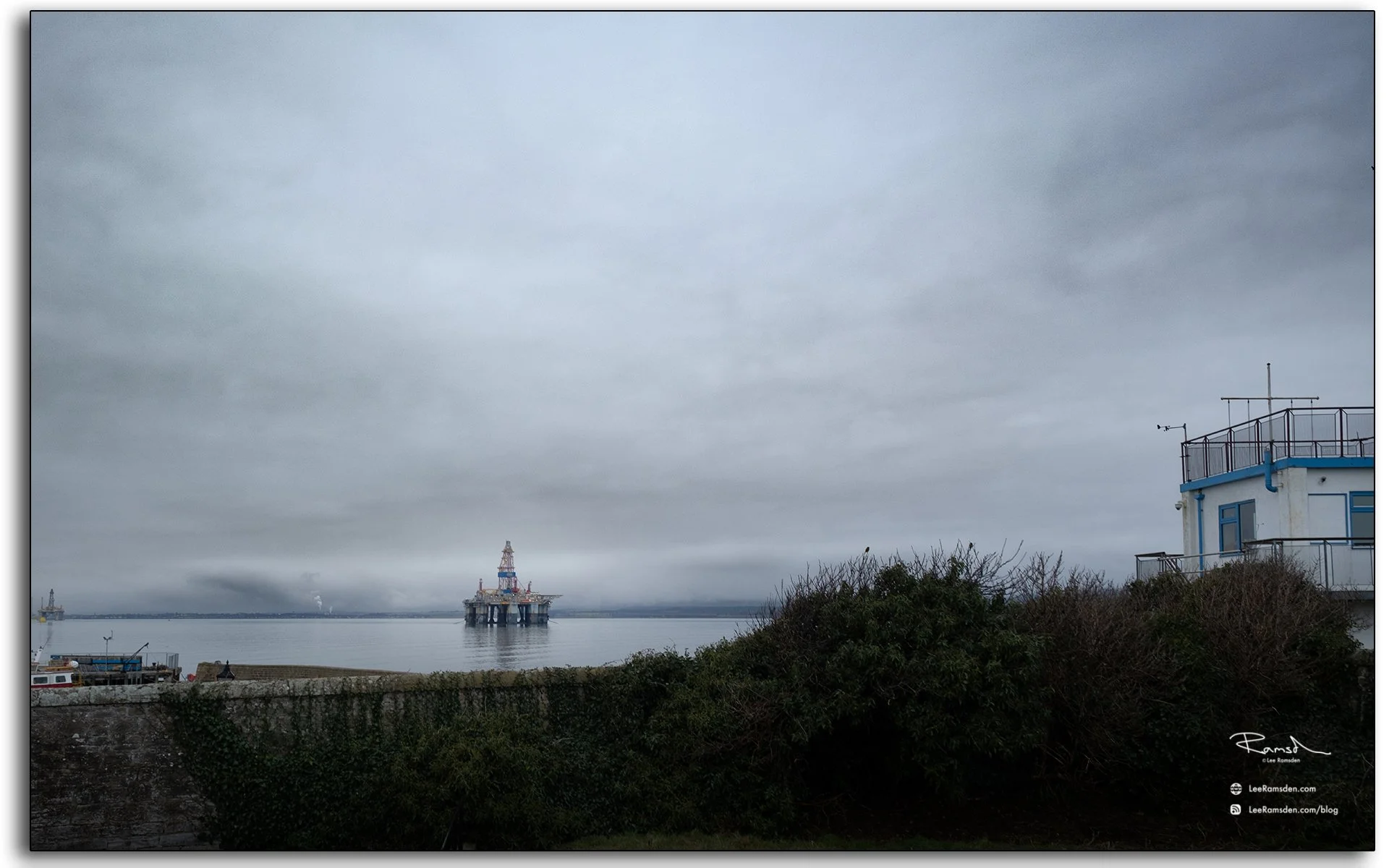
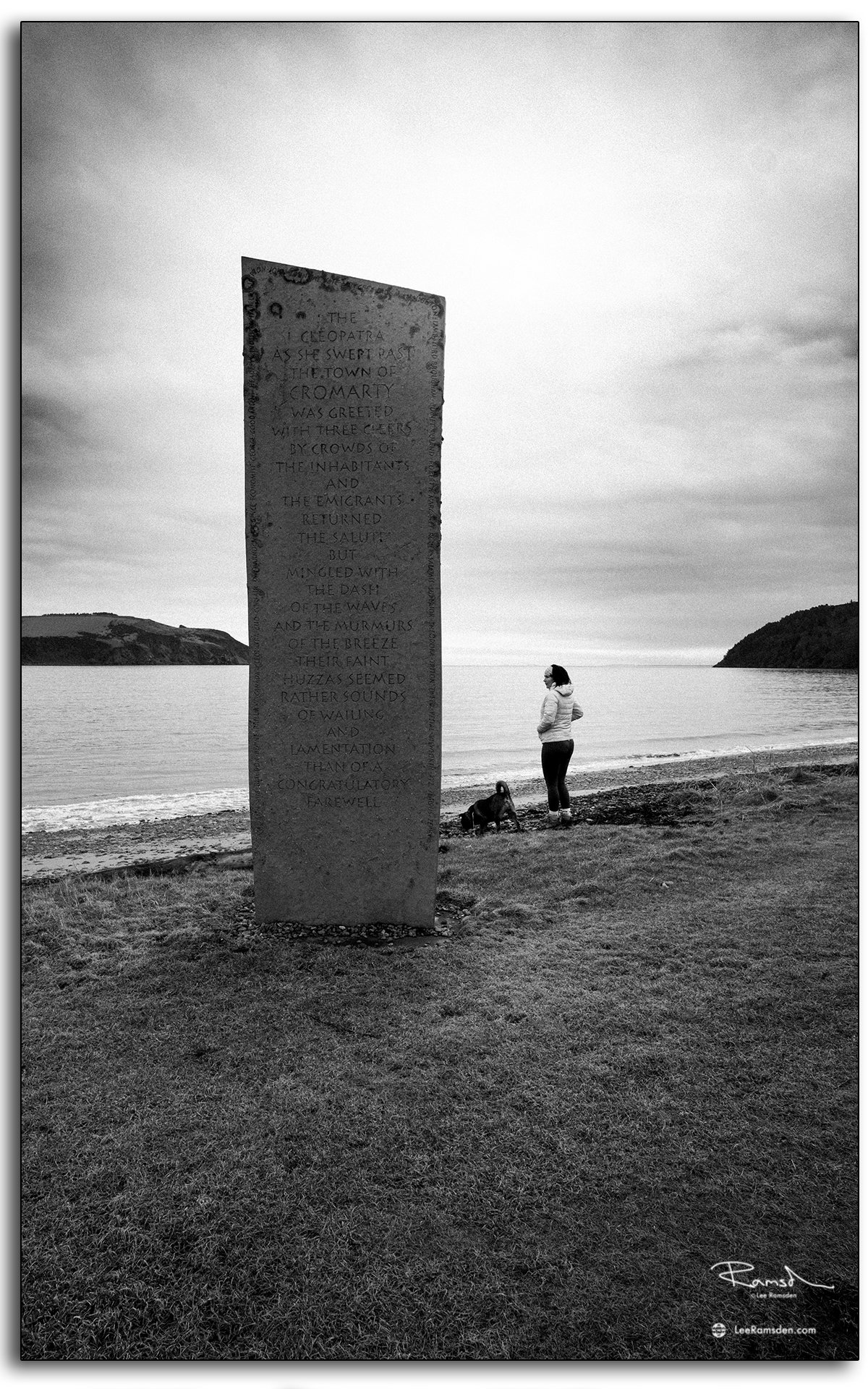
These two photographs were taken from the shoreline at Cromarty. One centres on the Cleopatra Stone, photographed in black and white, with the sea and shoreline beyond. The other looks out across the Cromarty Firth towards an offshore rig, with the edge of the town and harbour in the foreground.

Cromarty itself sits on the southern shore of the mouth of the Cromarty Firth, a place long tied to the sea through fishing, shipping and ferry connections. The town also developed a wider maritime importance because of the Firth’s role as a natural harbour. 

That first image brings in the more modern side of the area. Across the water, the Cromarty Firth and nearby Nigg have long been associated with the offshore industry. The fabrication yard at Nigg was originally developed for North Sea oil and gas work in the early 1970s, and the wider Firth has continued to be linked with rig lay-up, refurbishment and energy-sector activity. 

The Cleopatra Stone is one of Cromarty’s more unusual landmarks. Its inscription refers to the Queen Cleopatra, an emigrant ship associated with people leaving the town, and it captures a more emotional side of coastal history than many formal monuments do.

What I like about these images together is the contrast. One is rooted in memory, migration and local identity. The other is about scale, distance and the working landscape that still defines the Firth today. Cromarty can hold both at once without forcing the point.

Photographically, that makes it an interesting place to return to. You are not just looking at a pretty shoreline. You are looking at a location where personal history, harbour life and the North Sea economy all overlap in a relatively small stretch of coast.

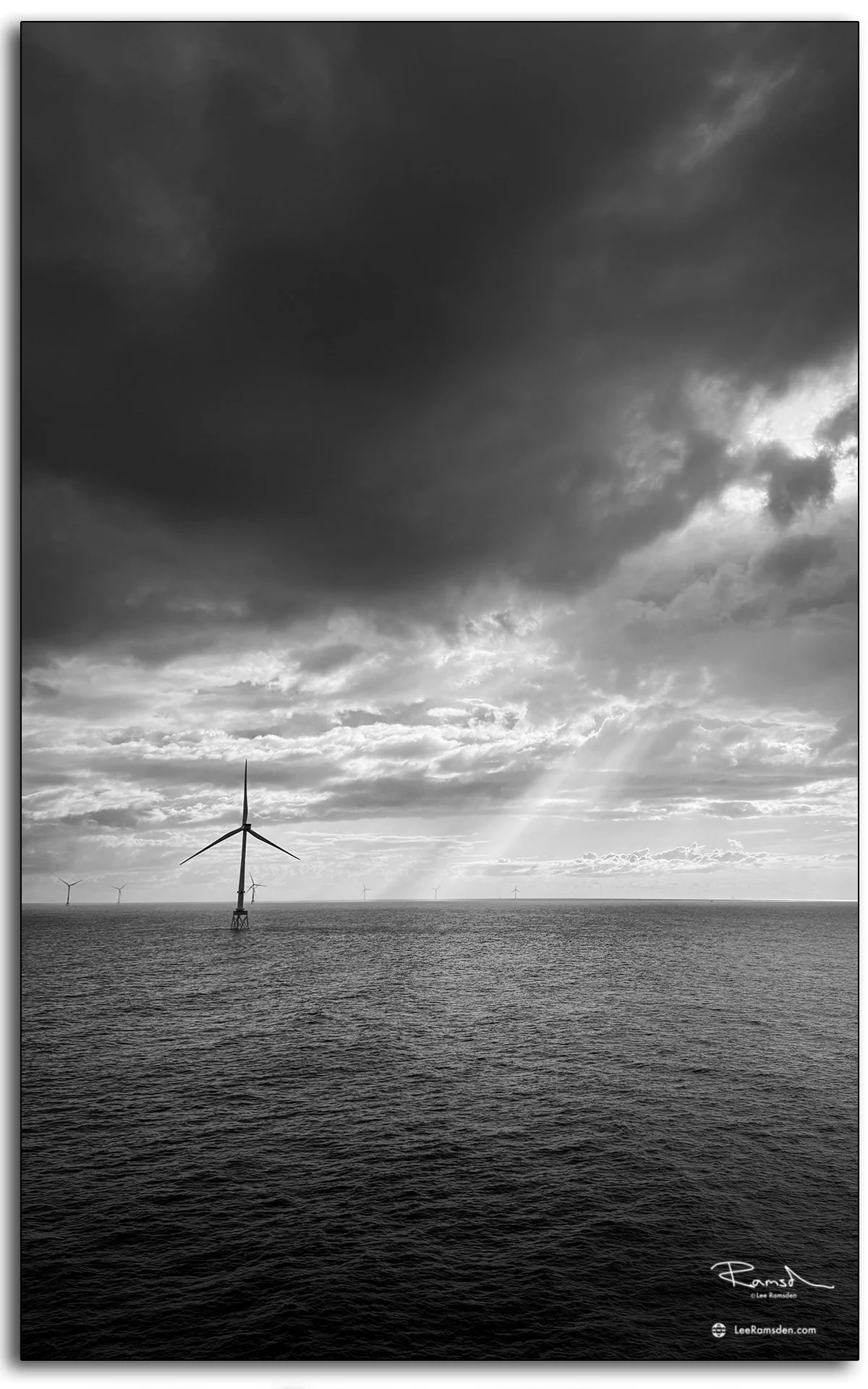
Black and White Turbines at Sea

Offshore wind turbine beneath dark skies with light rays breaking through the clouds, captured in monochrome.
Monochrome offshore wind turbine set against moody skies and the North Sea horizon.

The offshore wind farm takes on a different presence in black and white. Without colour, the turbines stand stark against the shifting tones of sea and sky. The heavy clouds and breaking light add a drama that colour often softens, leaving a raw sense of scale and isolation.

These iPhone images strip everything back, reducing the view to light, shadow, and structure — highlighting the resilience of the turbines set against the vastness of the North Sea.

These black and white studies show another side to offshore wind — stripped of colour but rich in atmosphere. See more from my Wind Industry portfolio.

Urban Seagulls.

Seagull

Urban Seagulls

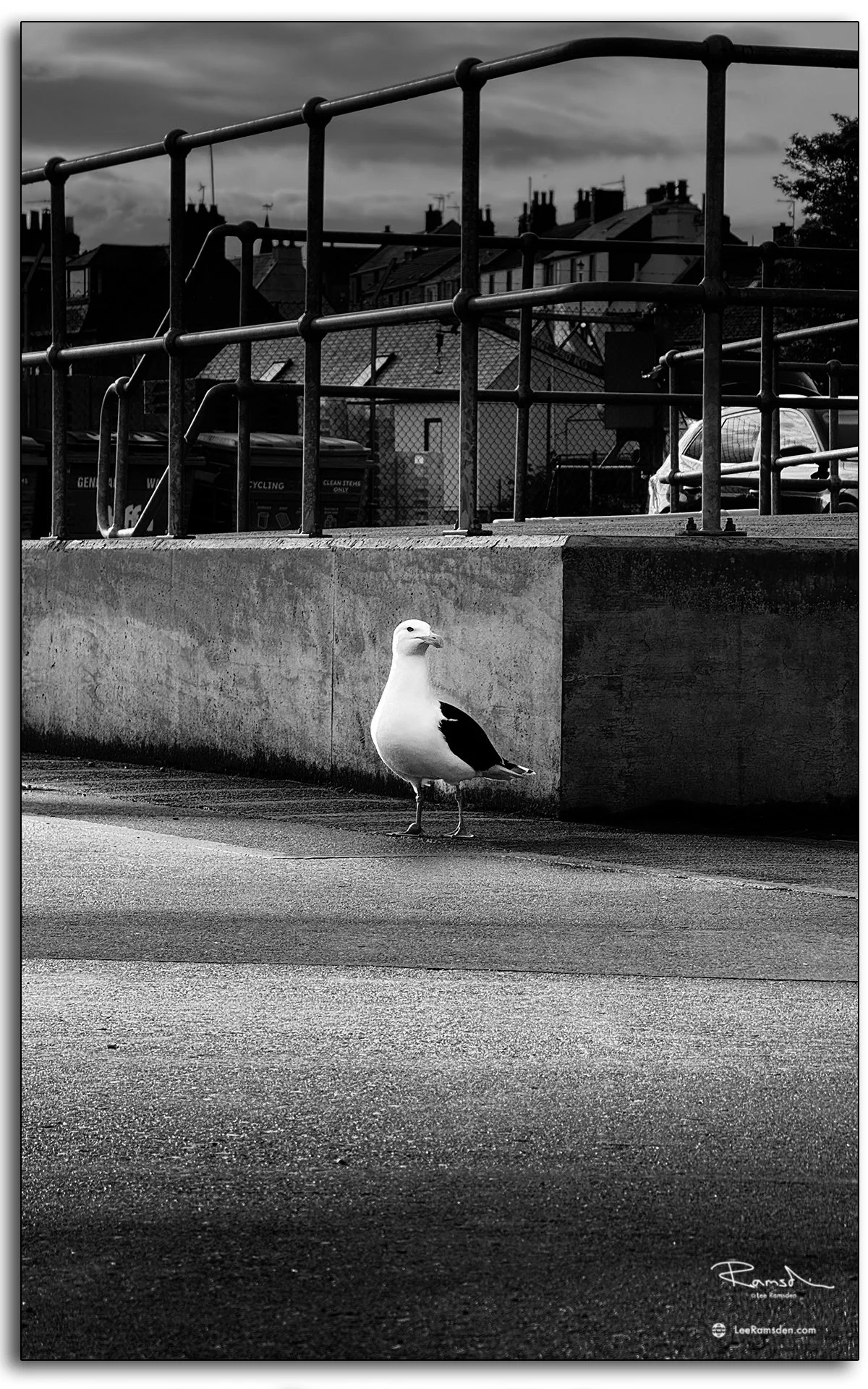
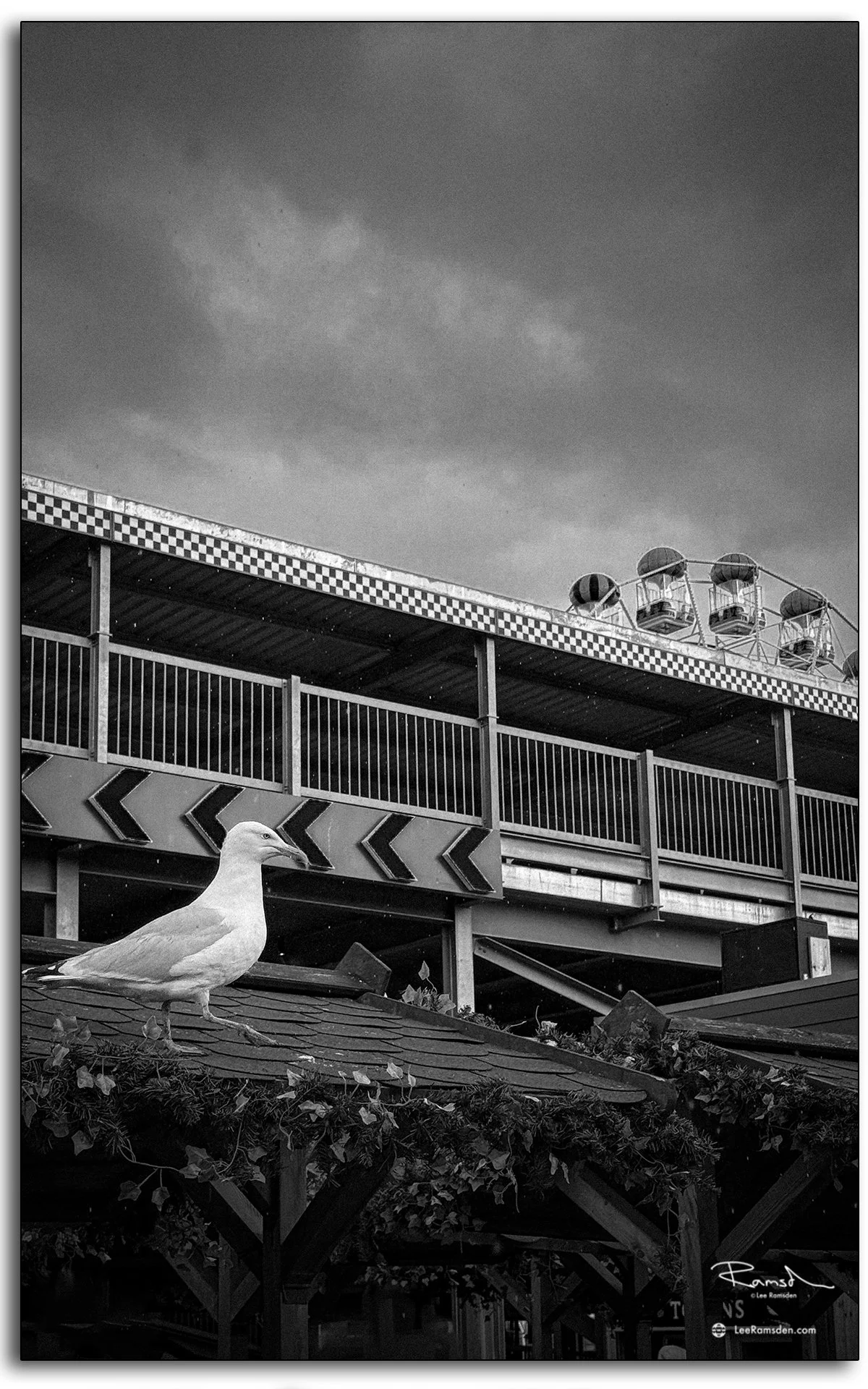
Seagulls are so familiar in coastal towns that they're easy to overlook photographically. These two black and white images take a closer look at how they occupy man-made environments — not as visitors to the urban landscape, but as permanent residents entirely at home in it.

The first shows a gull perched against a backdrop of concrete and steel, the hard geometry of the structure contrasting with the softness of the bird's plumage. The second places one near a fairground ride — an unlikely combination that works because both belong to the same seaside world.

Shooting in monochrome suits this subject well. Without colour, the focus shifts to form, texture, and the relationship between the bird and its surroundings. Gulls are bold, adaptable, and largely indifferent to people, which makes them easier to photograph candidly than most wildlife.

Both images were taken in the Angus and Aberdeenshire area of Scotland — locations where the boundary between town and coast is never far away.

For more wildlife and coastal photography, explore the Places gallery.

Everyday Scenes in Black and White

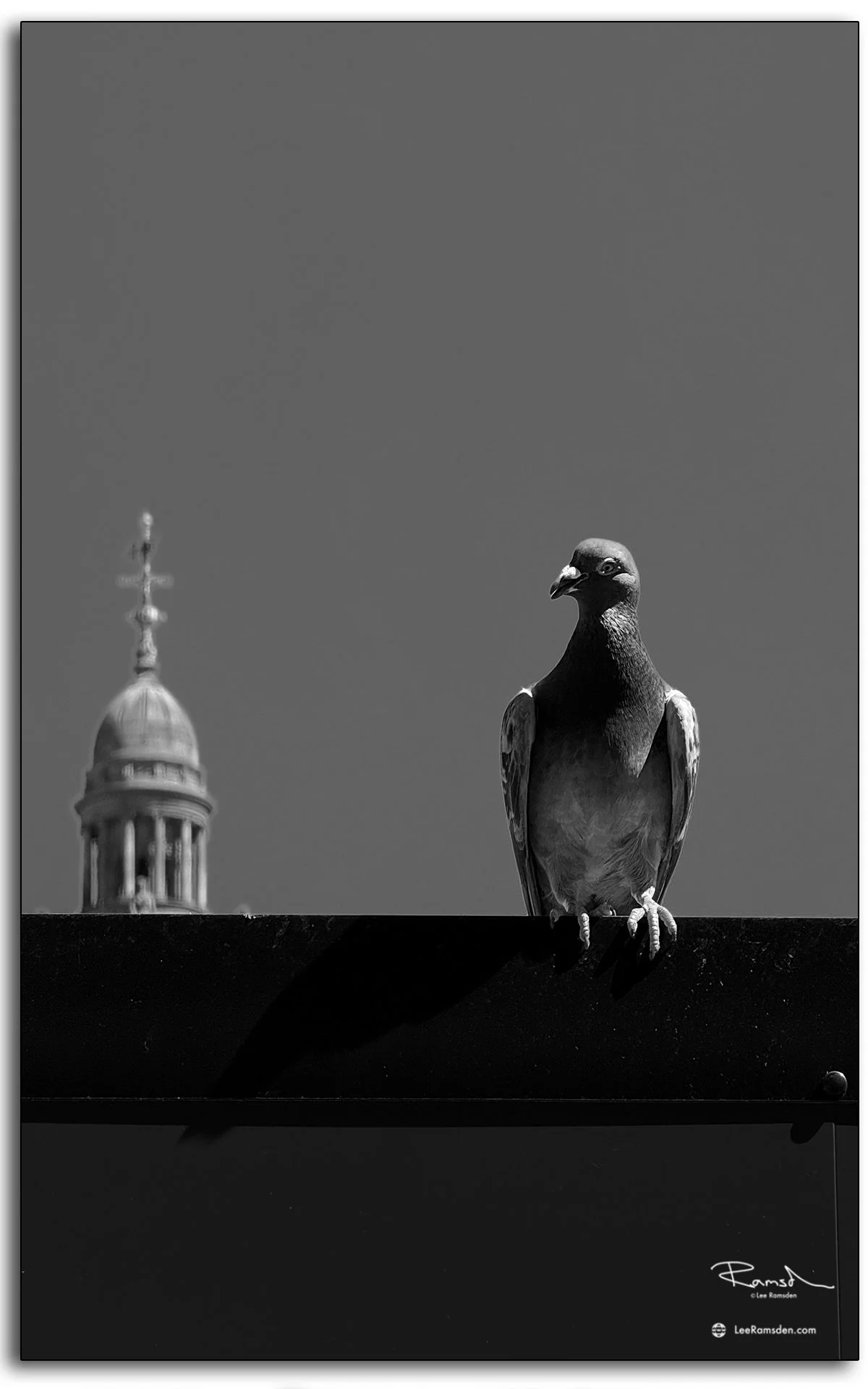
Striking black and white photograph of a pigeon perched on a ledge with a city dome in the background, highlighting contrast and simple composition.
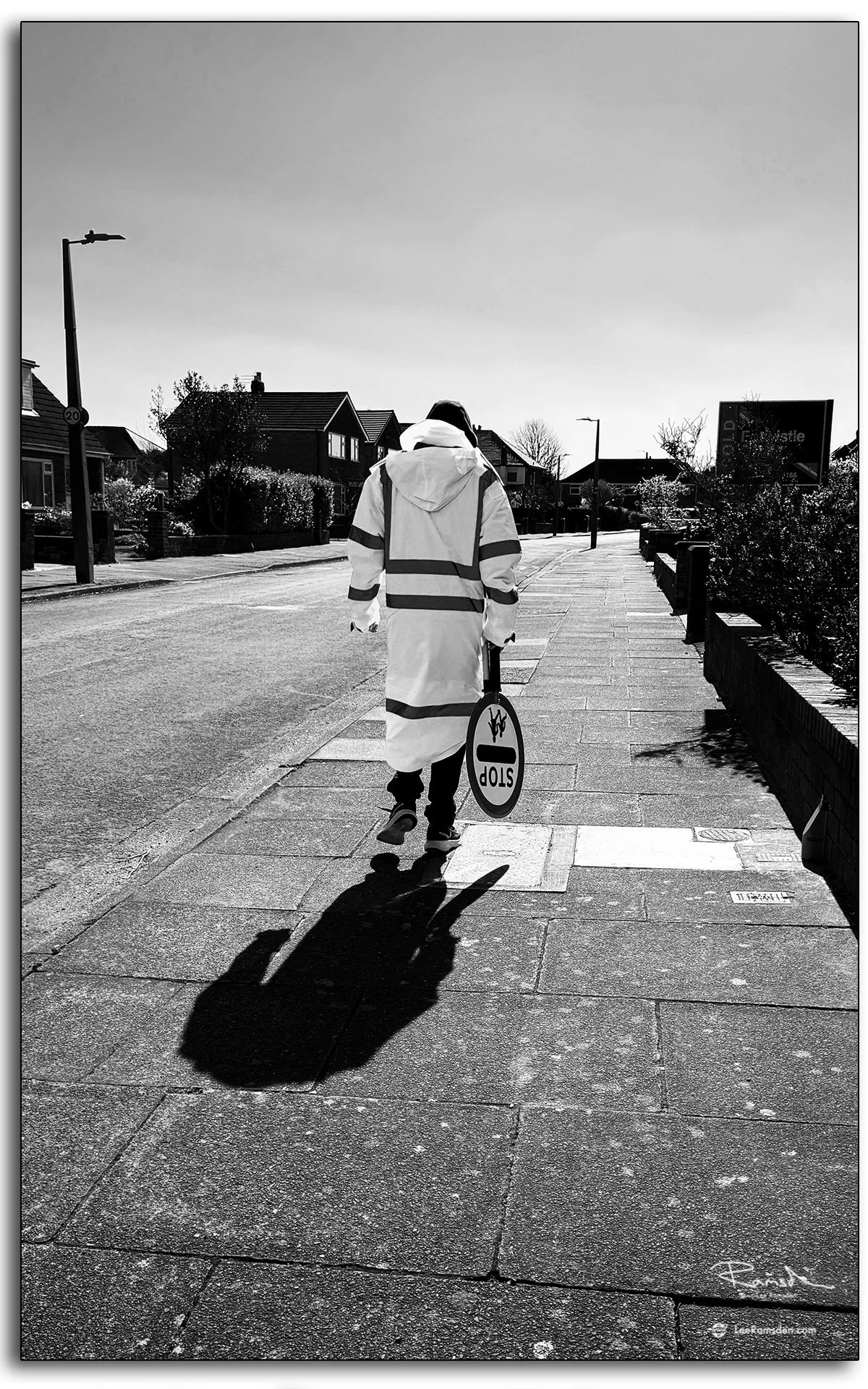
Black and white street photo of a lollipop man walking away with a stop sign, his hi-vis jacket and long shadow creating strong visual contrast.

Everyday Scenes in Black and White

Not every photograph needs a dramatic location or a significant subject. These two images are about ordinary moments made graphic by the removal of colour.

The first isolates a pigeon in flight against a clear sky, with architectural detail in the background providing scale and context. It's the kind of shot that comes from slowing down and watching a familiar scene rather than looking for something new.

The second captures a lollipop man walking away from the camera, his shadow stretching long across the pavement. The high contrast and strong directional light reduce the scene to shape and tone — the figure becomes almost abstract, the shadow more present than the man himself.

Black and white street photography works best when it finds structure in the unremarkable. Both of these images are from everyday locations in Scotland, and neither required anything beyond patience and timing.

For more black and white work, visit the main portfolio or explore the Places gallery.

Vessel Operations Offshore

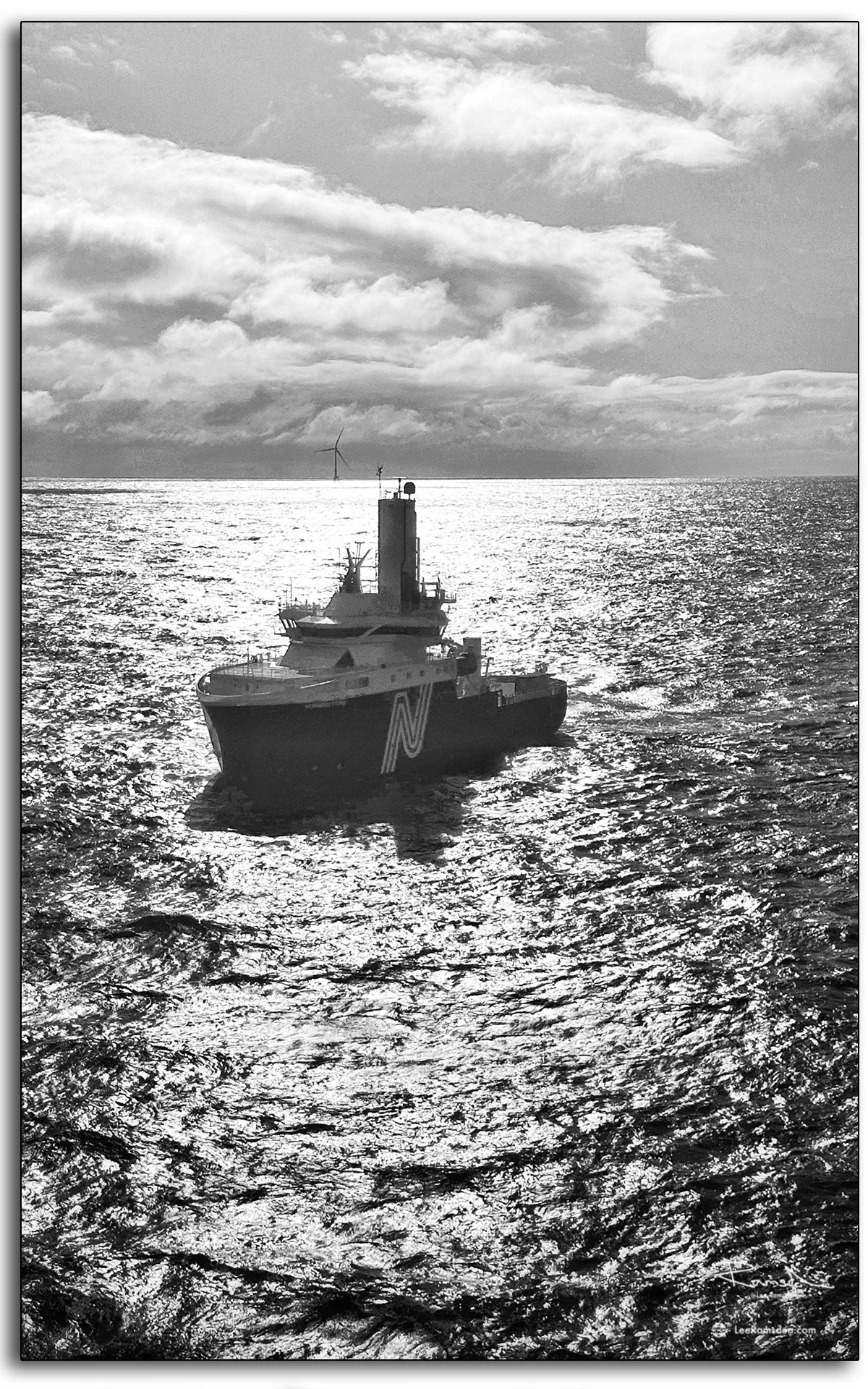
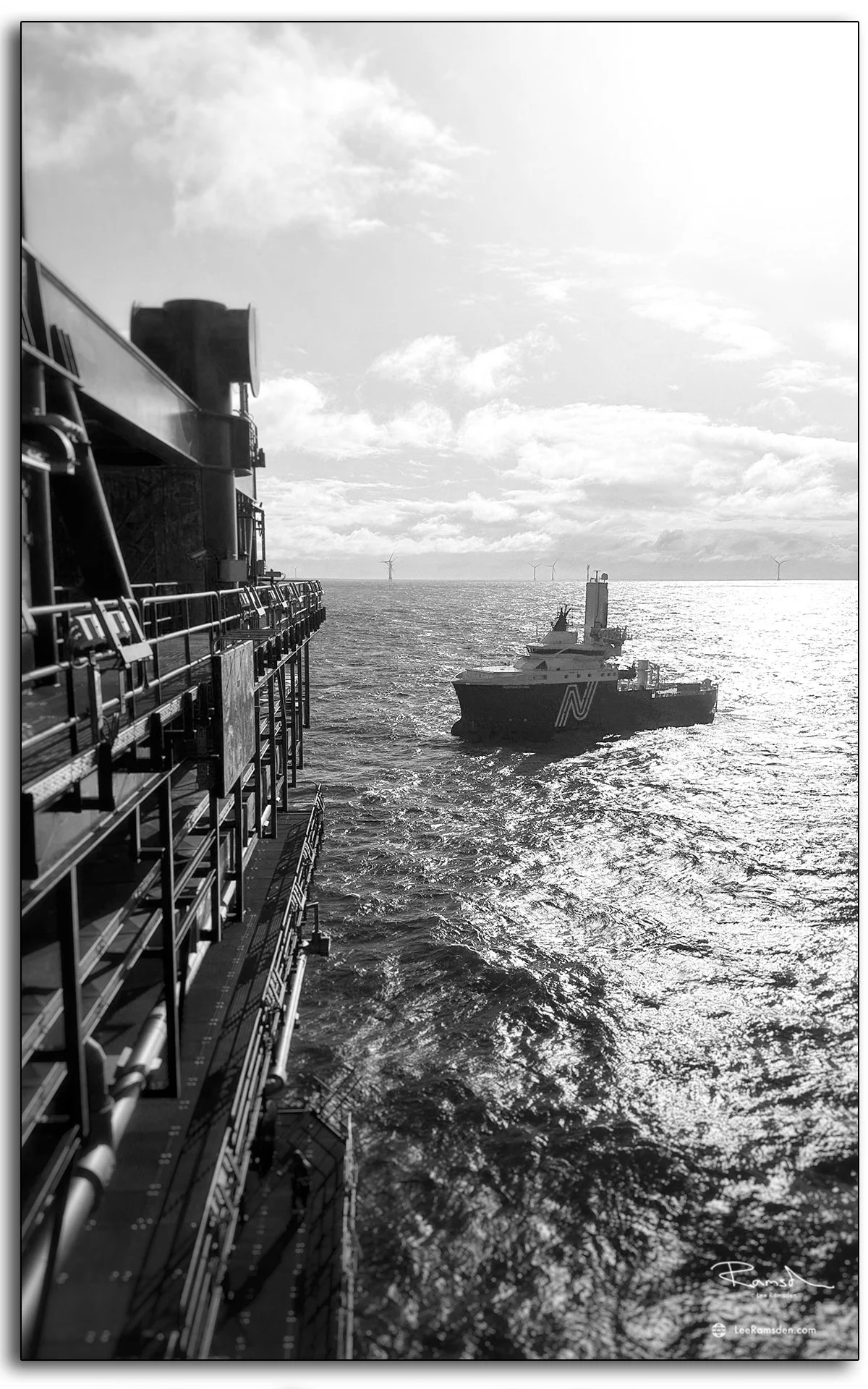
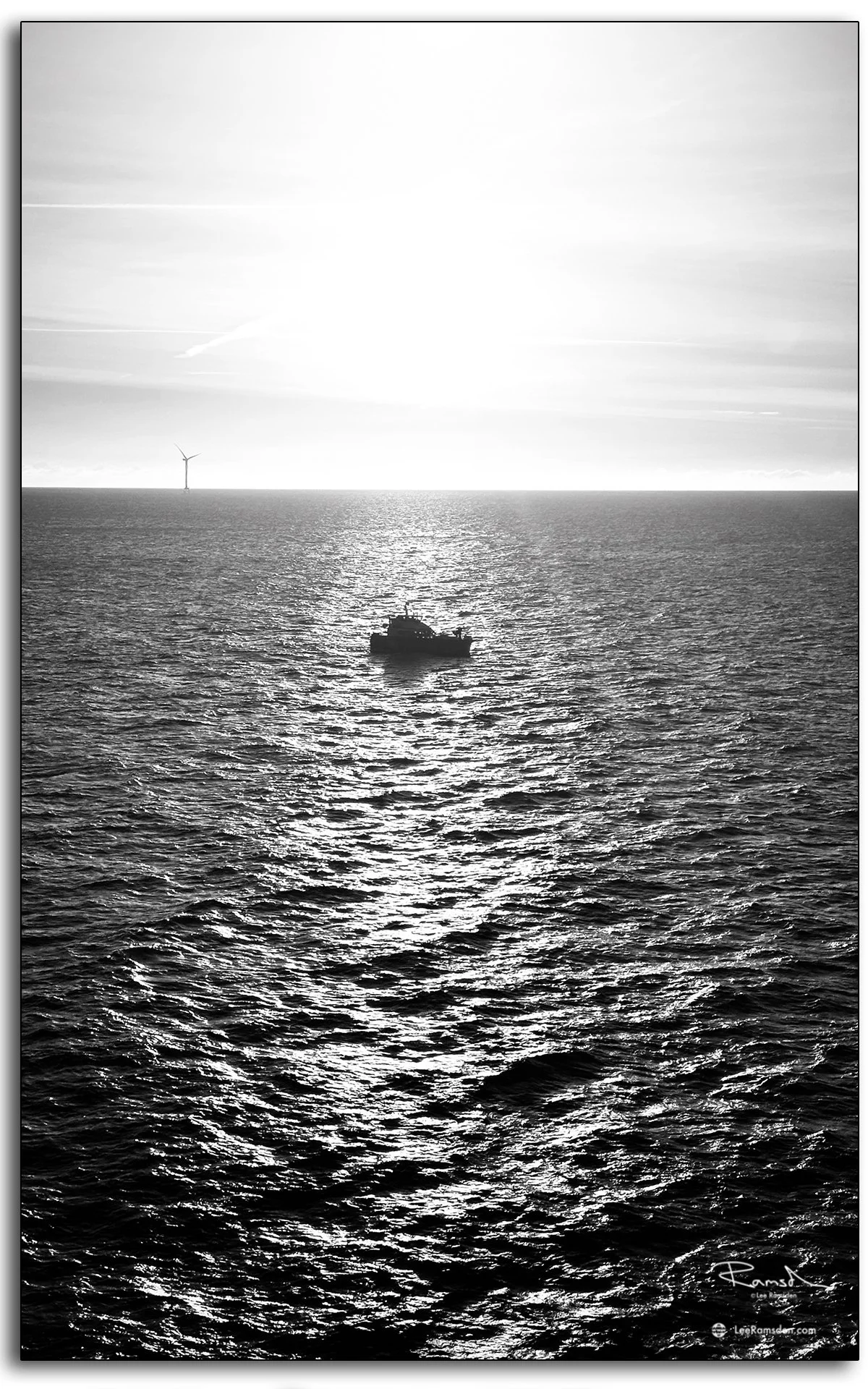
Out in the North Sea, the Norwind Storm support vessel takes up position beneath the setting sun — a steady presence against the rolling water and the turbine structures beyond.

These images show the vessel in its working context, sitting alongside the wind farm and substation, with the horizon fading into haze. The black and white treatment suits the industrial scale of the scene, stripping away colour to leave structure, light and movement.

Service operations vessels are a core part of offshore wind O&M. They provide accommodation and logistical support for technicians working on turbines and substations, often remaining on site for extended periods during maintenance campaigns.

This series adds to my Wind Industry collection, alongside wider work across Industrial and Places photography.

Offshore workers portraits.

Offshore Workers Portraits

These portraits were taken on a North Sea asset during an offshore wind operation. Shot in the working environment, they focus on the people behind the project rather than the infrastructure around them.

Offshore portraiture is a different discipline to studio or event work. The subjects are working professionals in a demanding environment, and the images need to reflect that — direct, unposed where possible, and honest about the conditions. There's little room for elaborate setups on a vessel or platform deck, which tends to produce portraits that feel more genuine for it.

The offshore wind industry employs thousands of people in specialist roles — technicians, rope access workers, supervisors, marine crew, and support staff — many of whom spend weeks at a time on rotation. These images are a small record of that working life, shot as part of a wider documentation of North Sea operations.

For more work from offshore wind projects, visit the Wind Industry gallery.

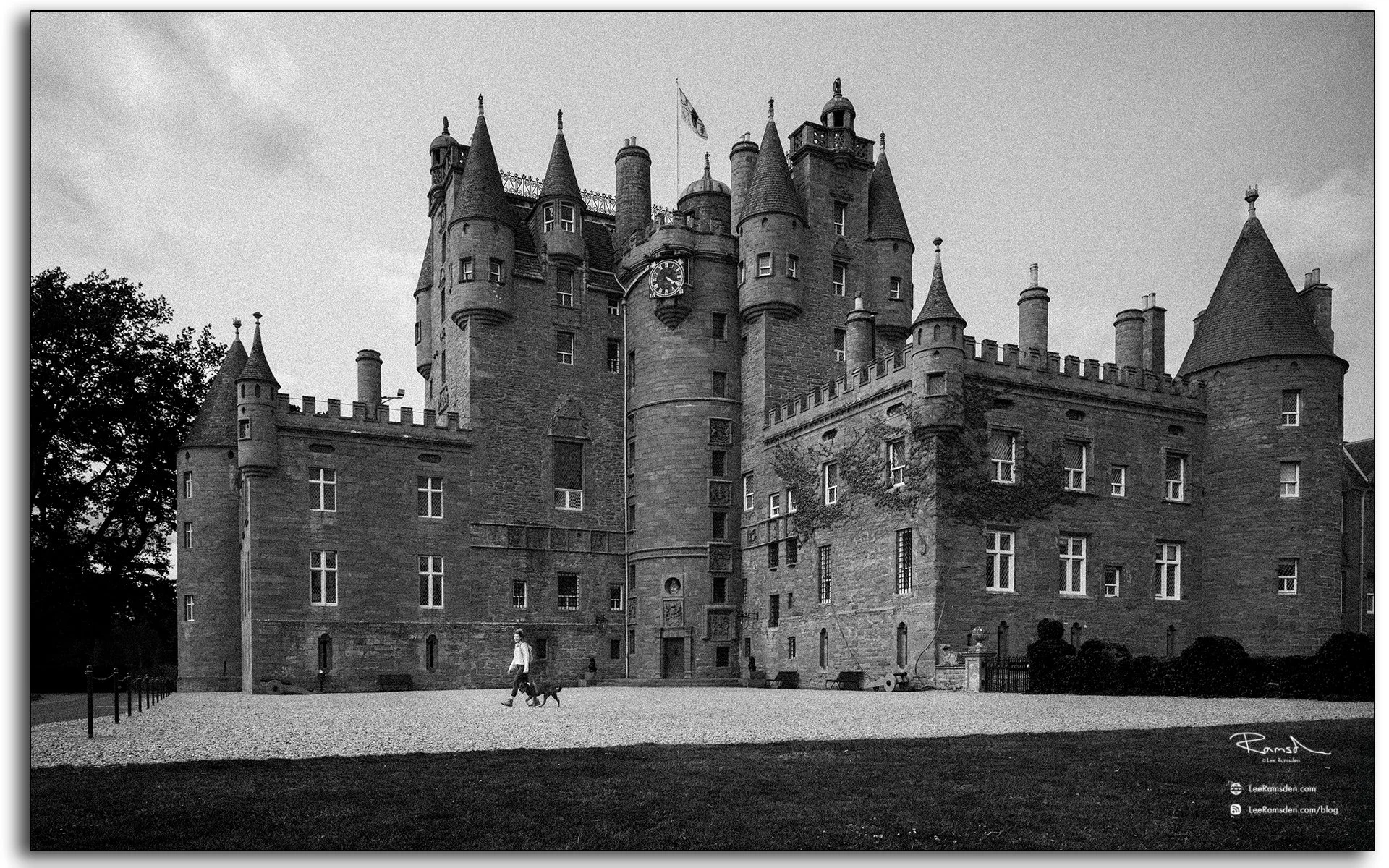
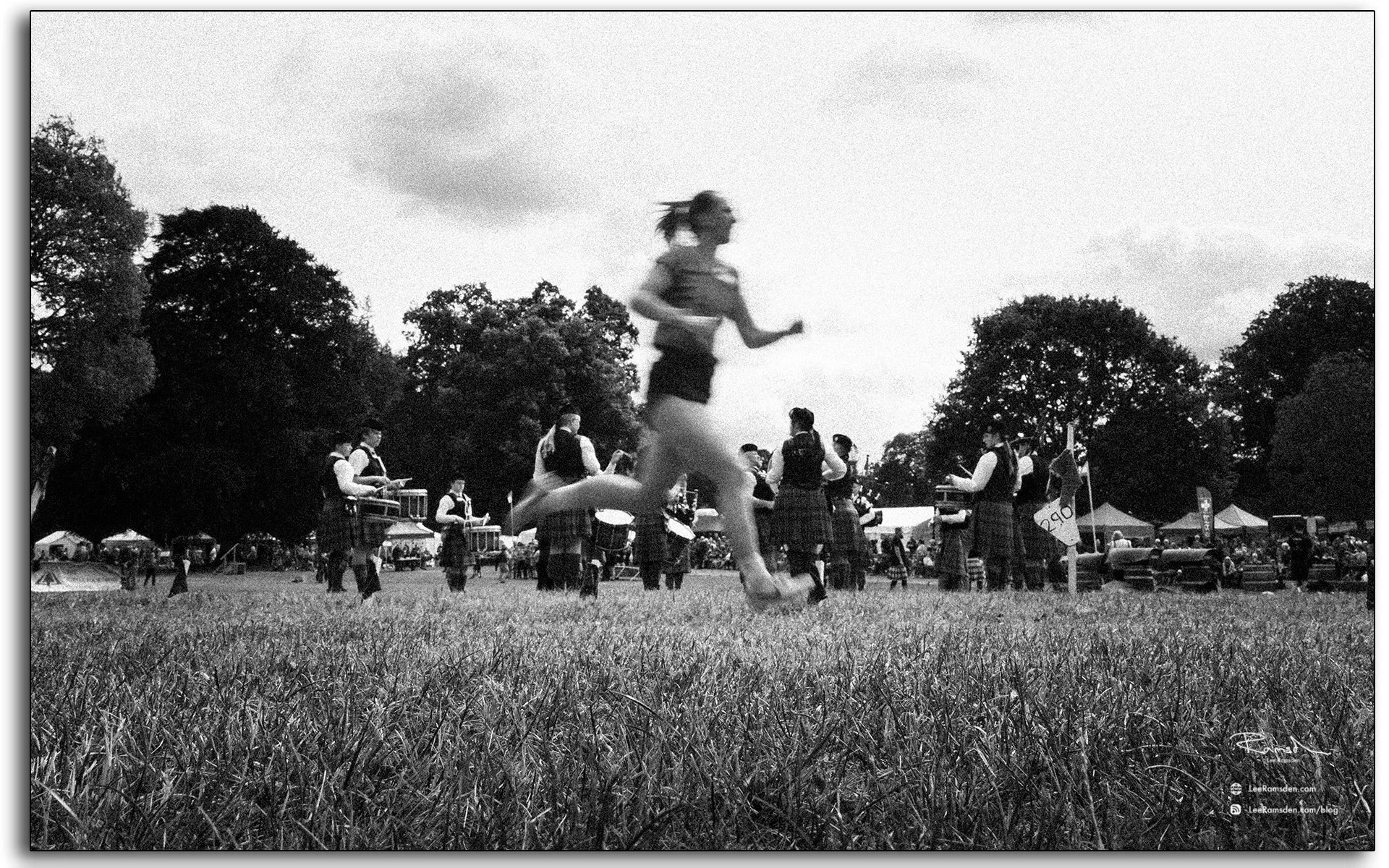
Glamis Castle. Highland games.

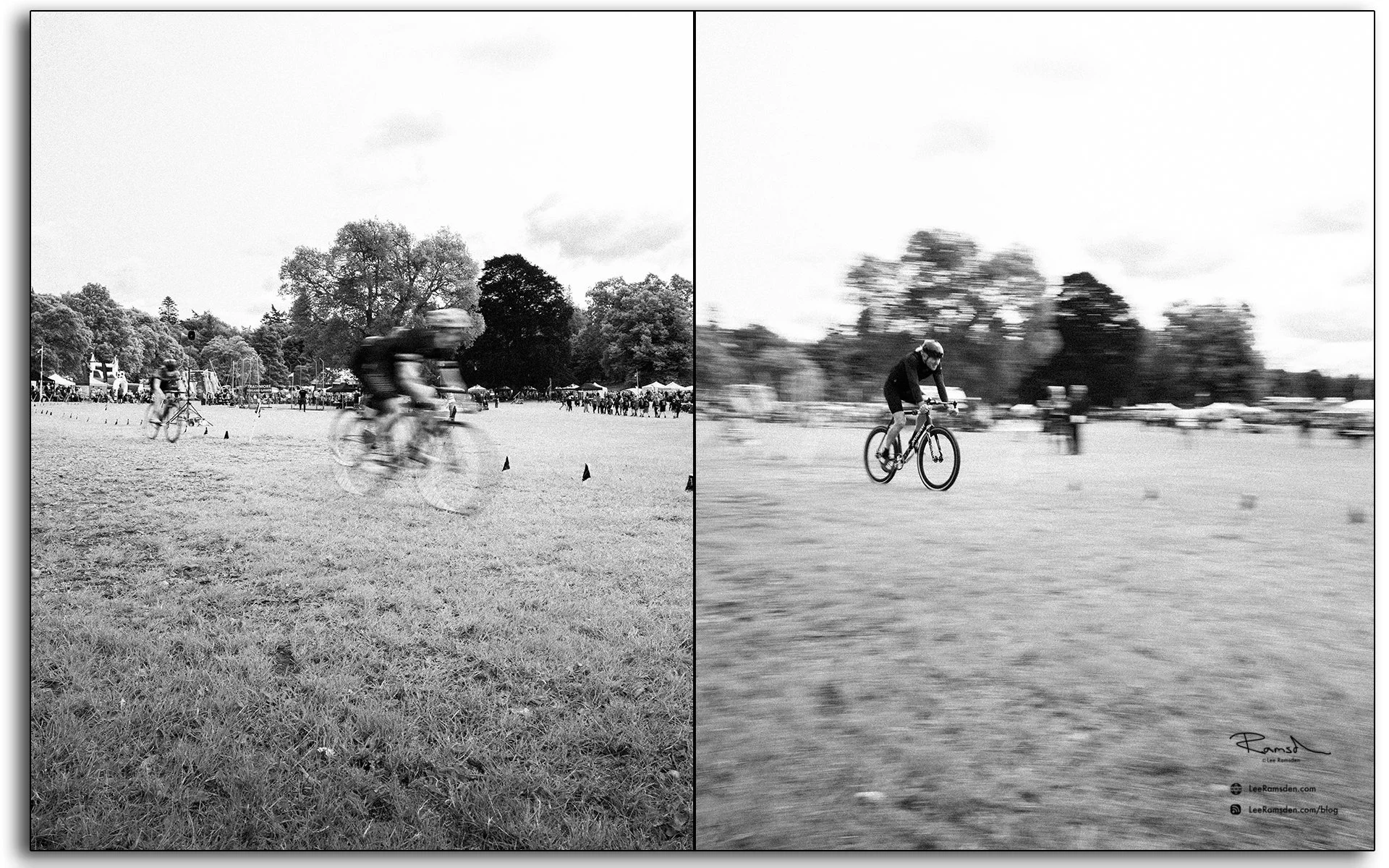
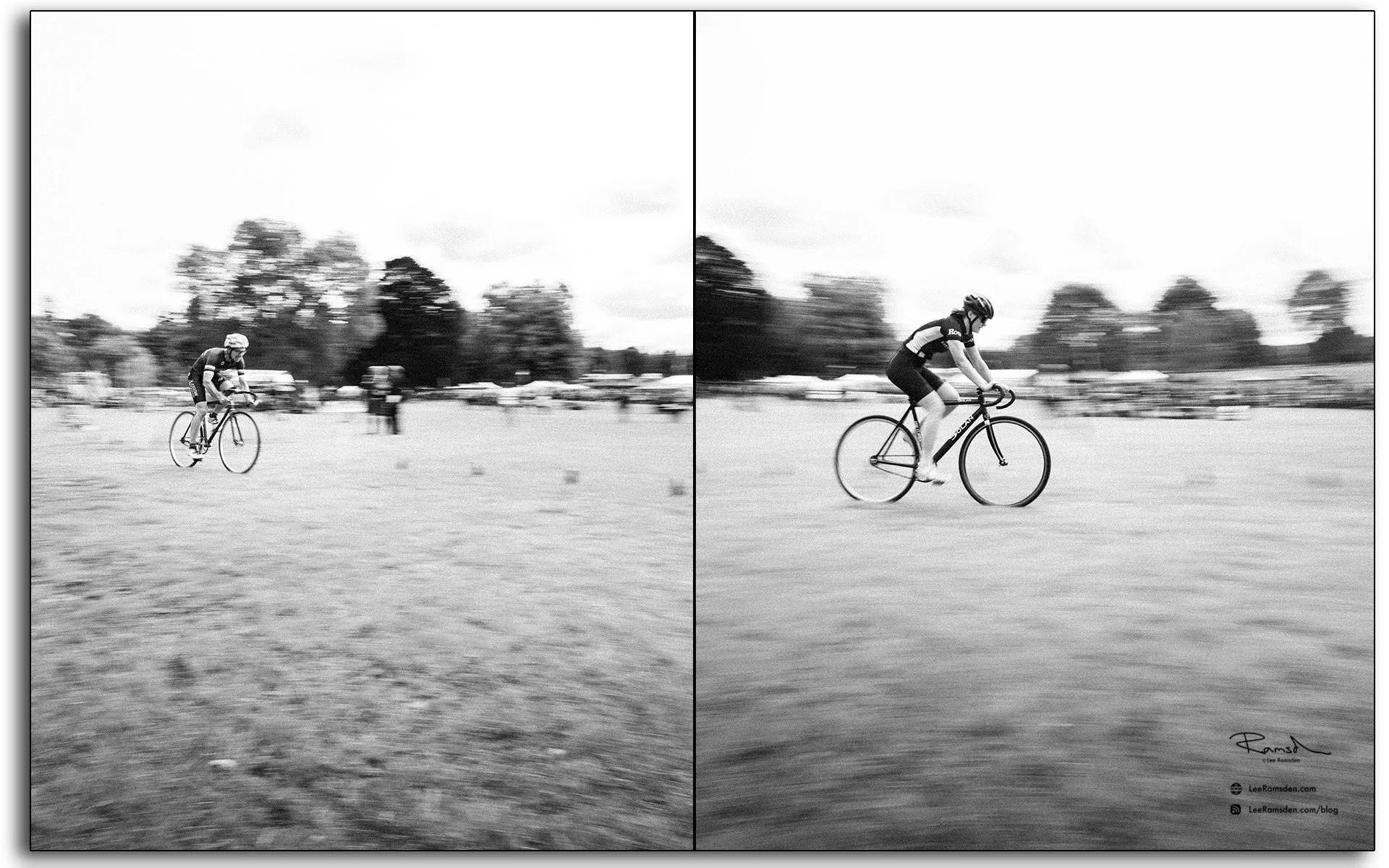
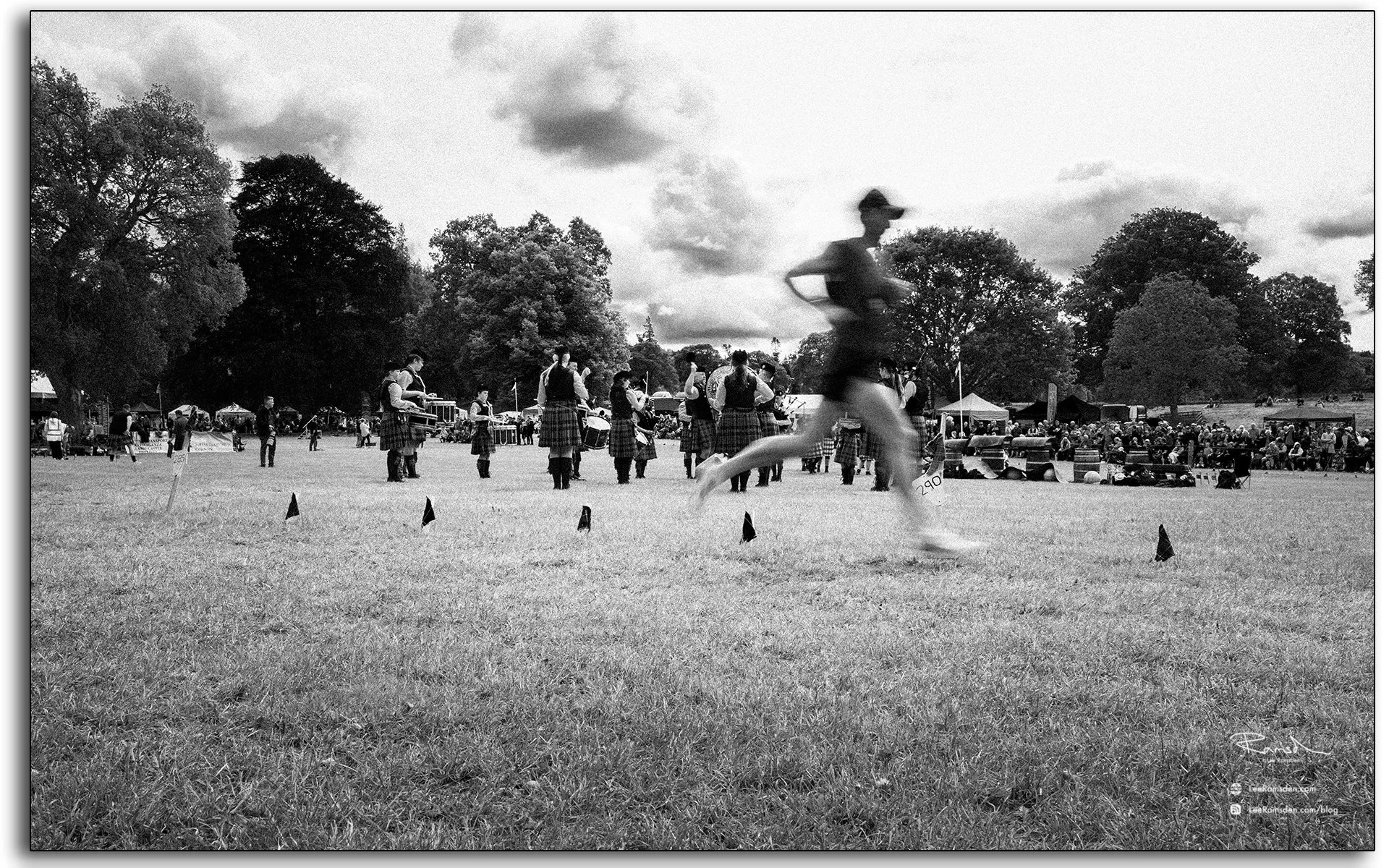
Glamis Castle. Highland Games.

The Strathmore Highland Games are held annually in the grounds of Glamis Castle in Angus, and they're one of the more distinctive events in the Scottish calendar. The castle itself provides an extraordinary backdrop — a working historic estate with a history stretching back to the fourteenth century, most closely associated with the Lyon family and later the Bowes-Lyon family, including Queen Elizabeth The Queen Mother, who grew up there.

The games follow a traditional format — heavy athletics including the caber toss and hammer throw, pipe bands, dancing, and the kind of food and atmosphere that makes it worth the journey. These images, shot in black and white, focus on the people, the movement, and the setting rather than the spectacle.

Angus is well placed for this kind of event — Glamis sits just a few miles from Forfar, and the wider Strathmore valley has a long connection to Highland culture and rural Scots tradition. If you're in the area in summer, the games are worth adding to the itinerary.

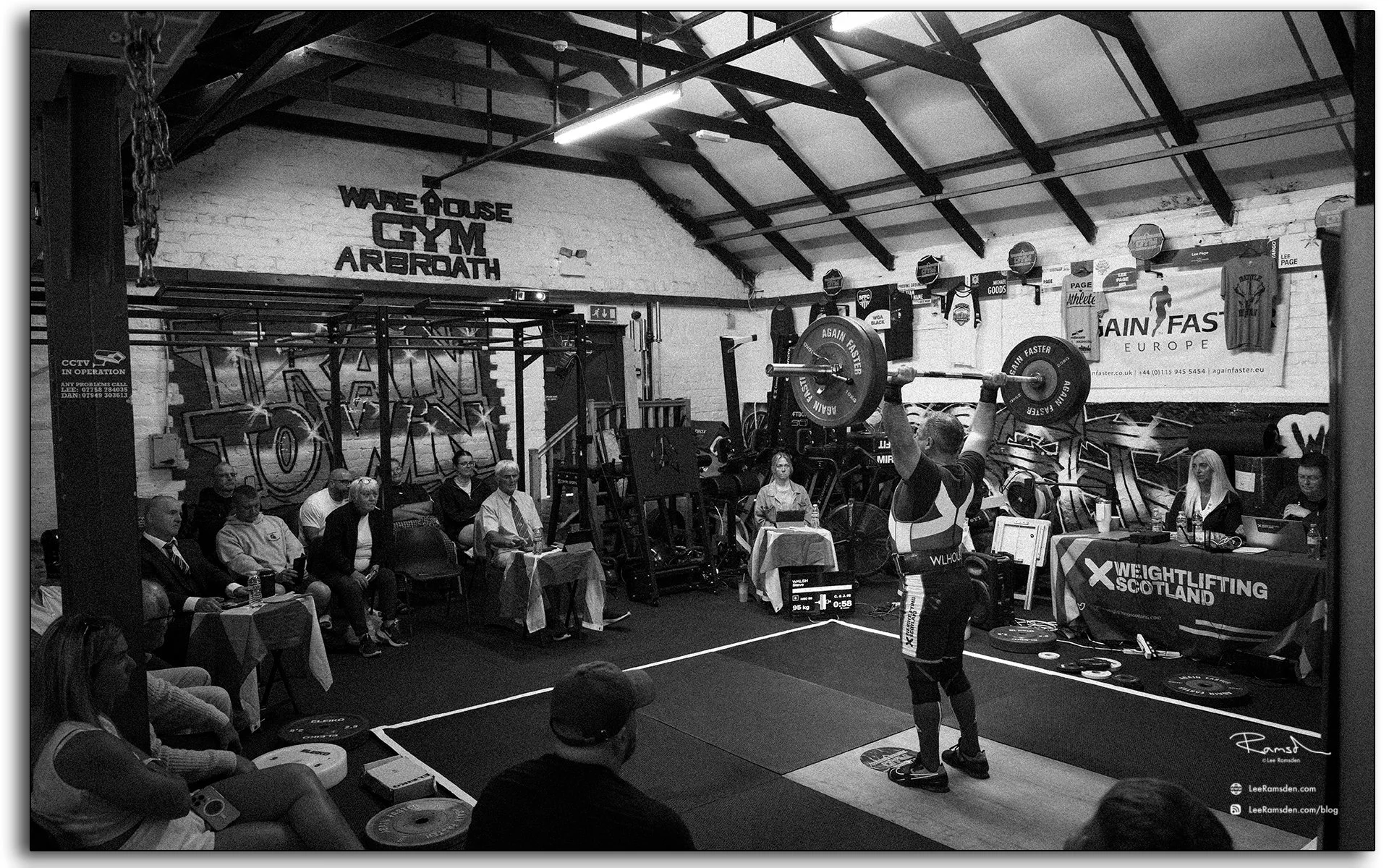
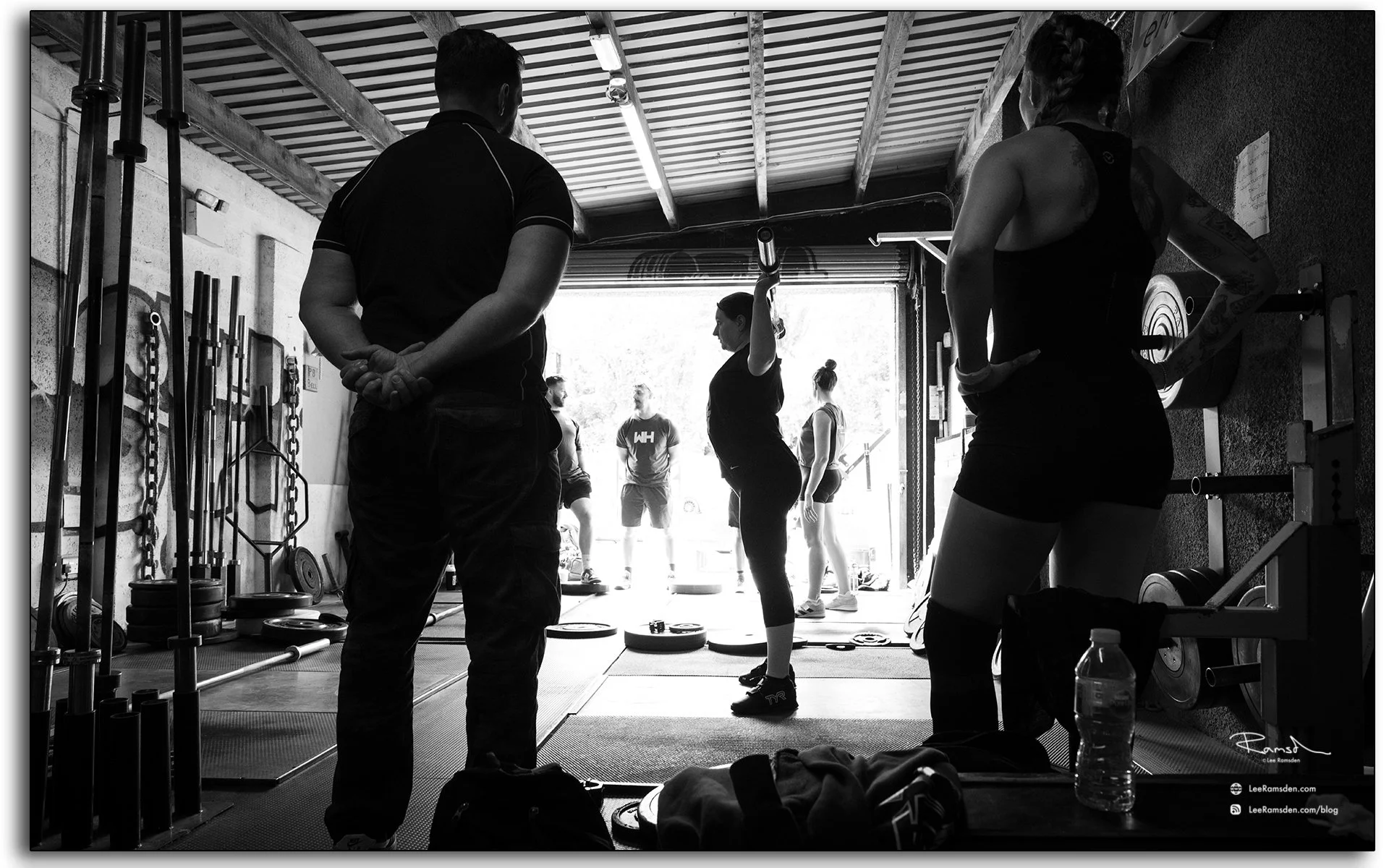
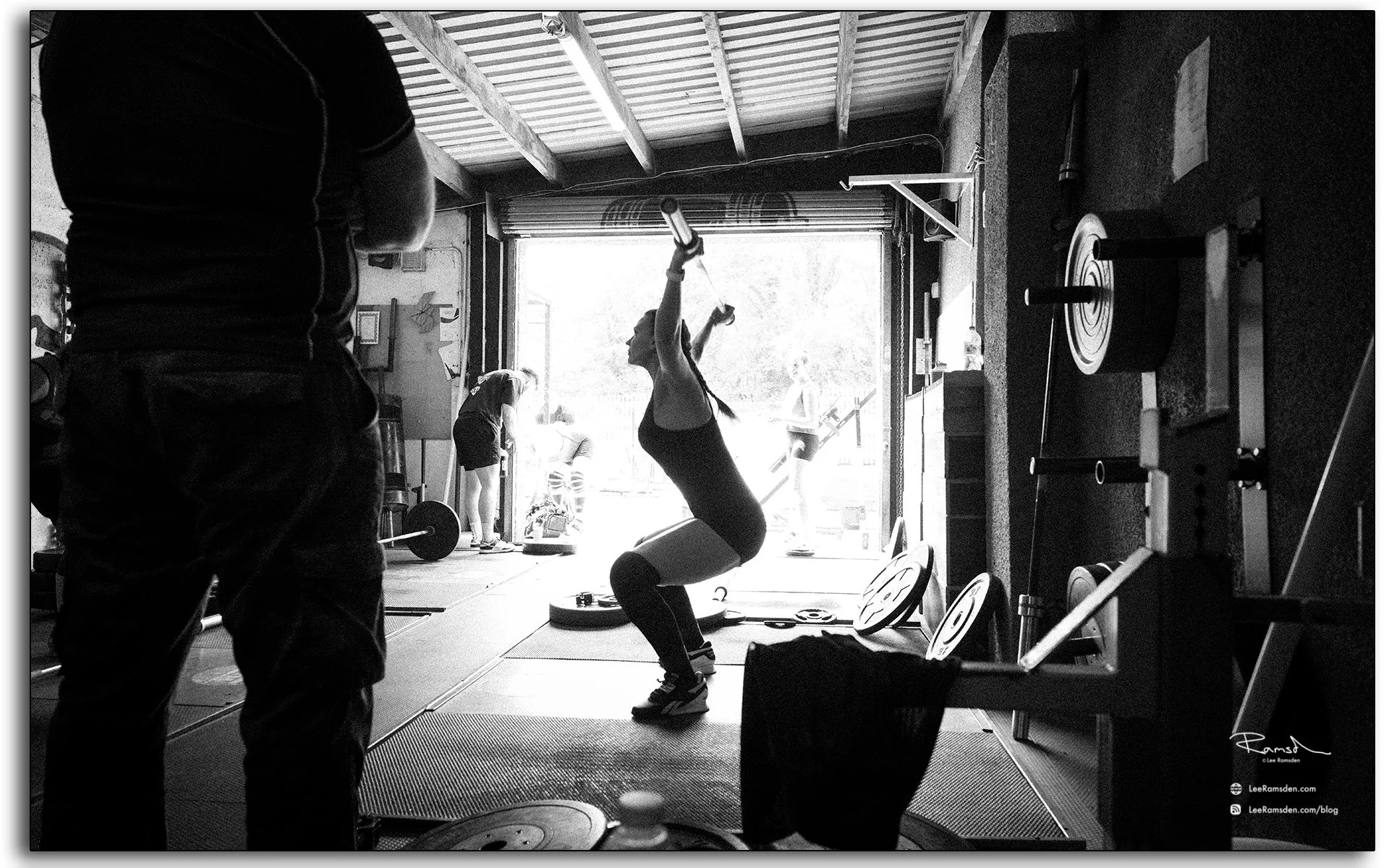
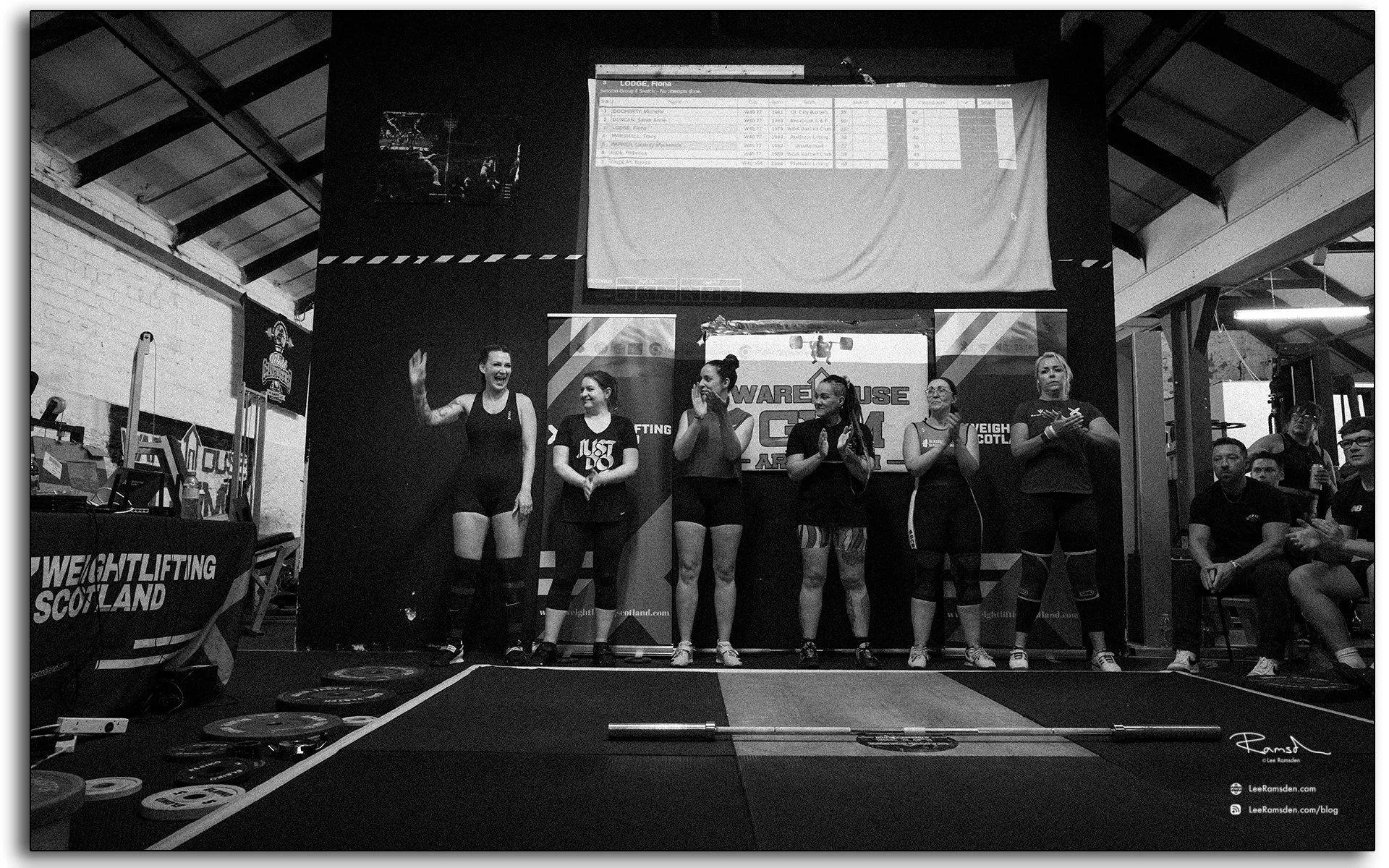
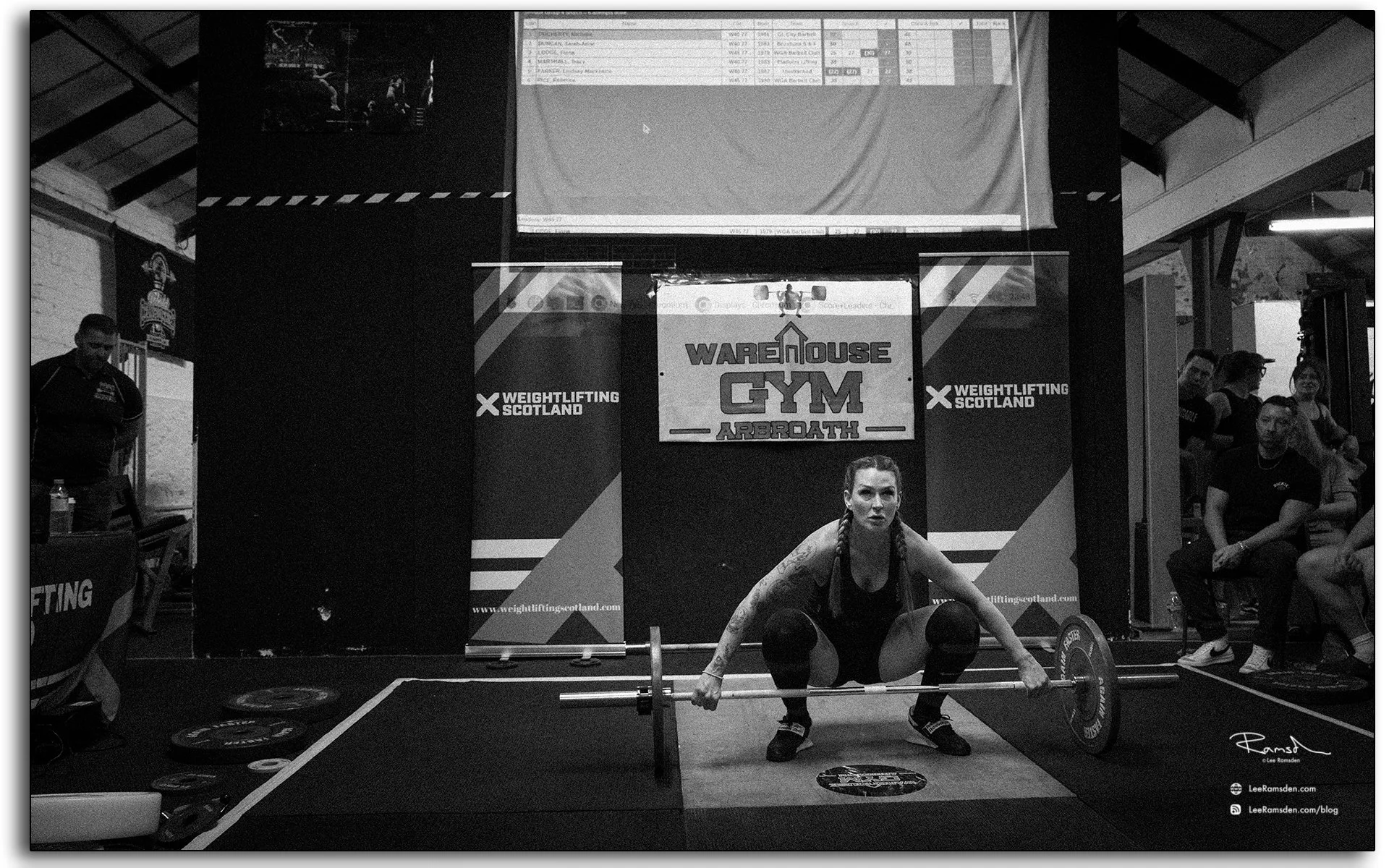
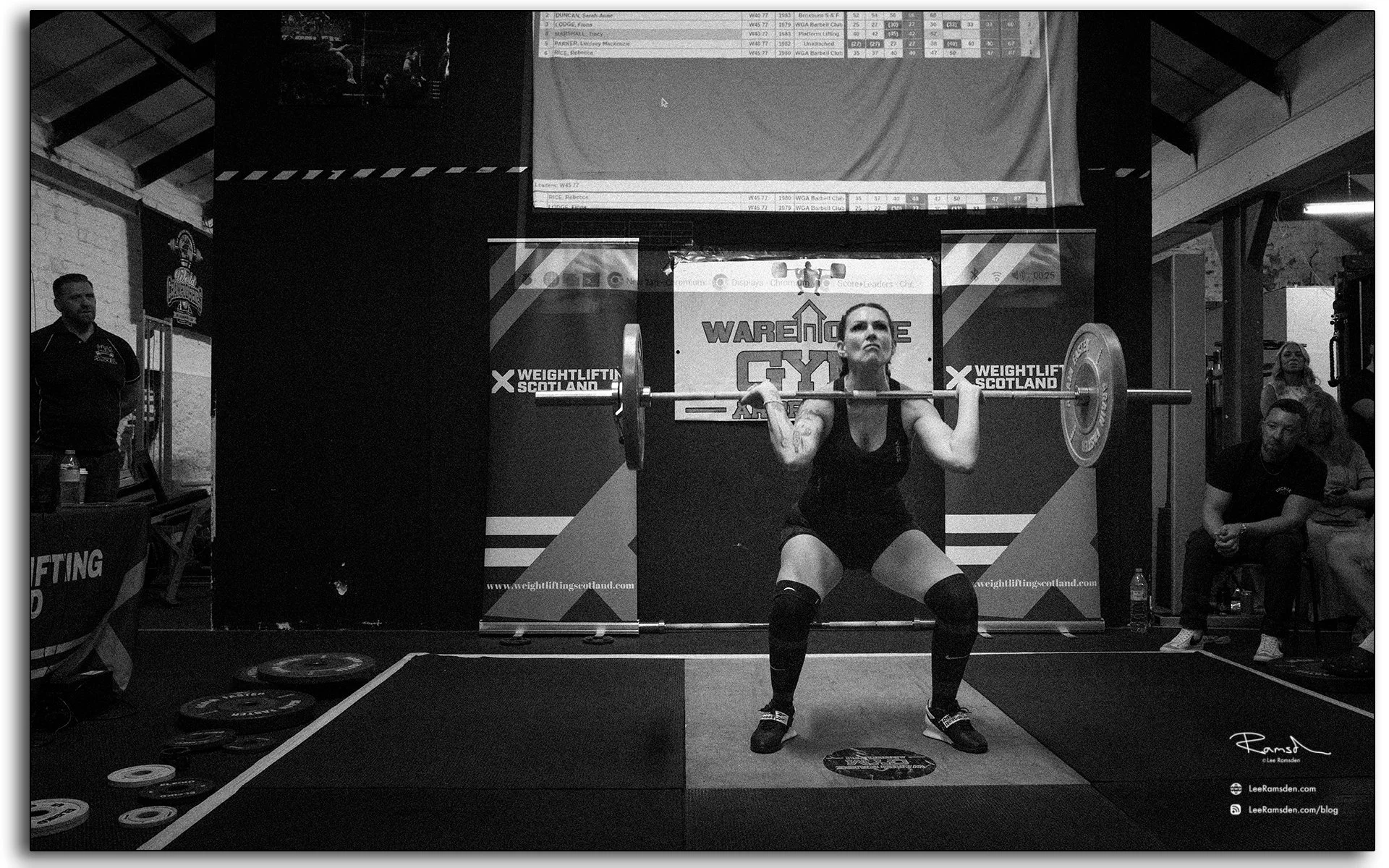
Black and White Gym Photography – Weightlifting Event in Arbroath

Black and white photograph of a weightlifting competition in Arbroath, Scotland, showing athletes training and competing.

At Warehouse Gym in Arbroath, a weightlifting event provided a chance to capture strength and focus in a stripped-back style. Without colour, the story shifts to contrast, shape, and movement.

The black and white approach highlights athletes in training and competition. Sharp contrasts draw out detail in posture and expression, showing the raw intensity of the sport.

This shoot extends my portfolio of event photography in Scotland, using a simple approach that keeps attention on people and performance.

Black and White, Dog walking

Good morning,

Today I’d like to share some simple black and white images where we walk the dog locally on the beach. I am enjoying the contrast and textures at the moment shooting in monochrome.

I would love to see your black-and-white images.

Feel free to comment over on Instagram @lee_ramsden

Thanks

Lee