offshore wind

Offshore Substations in the North Sea

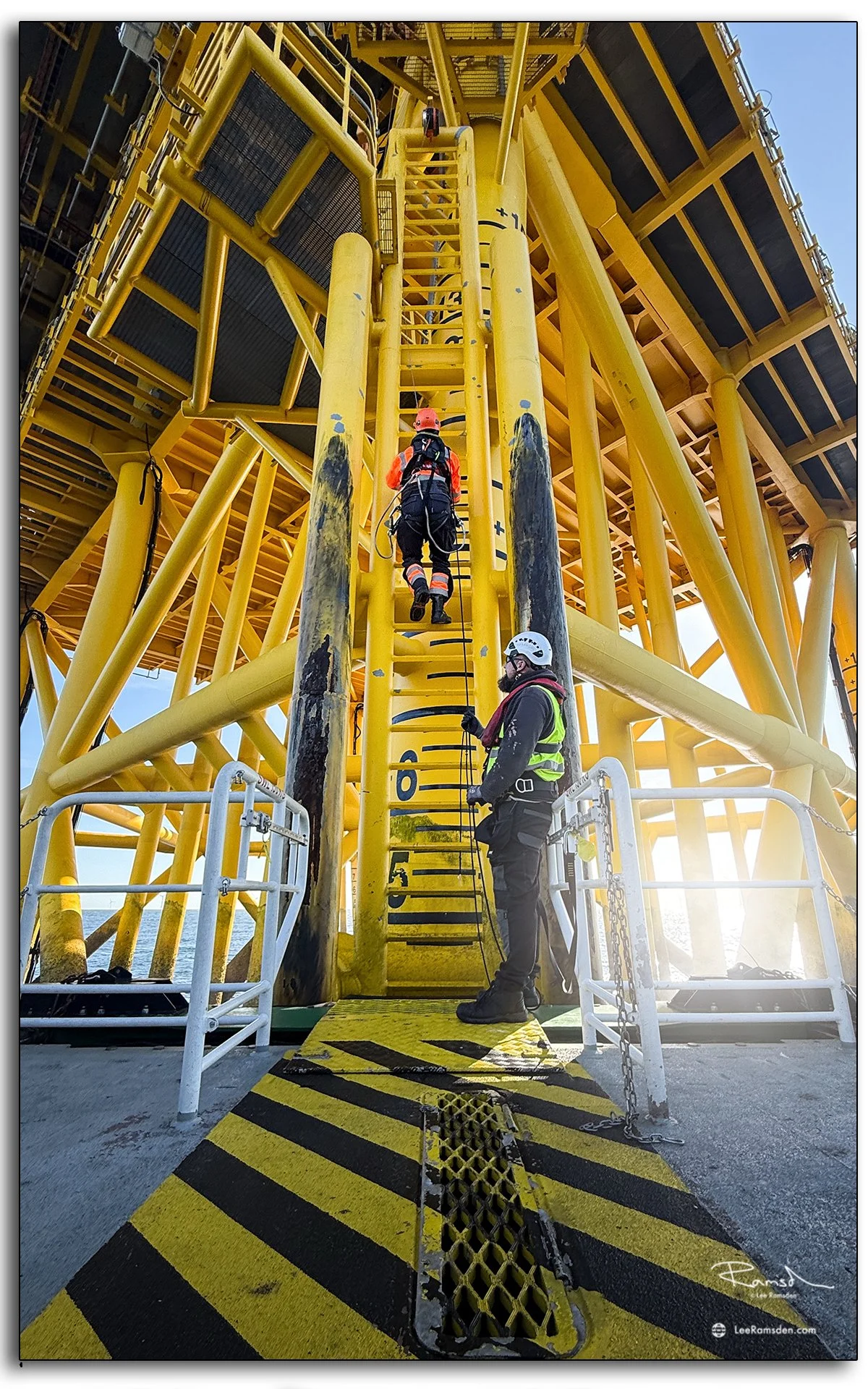
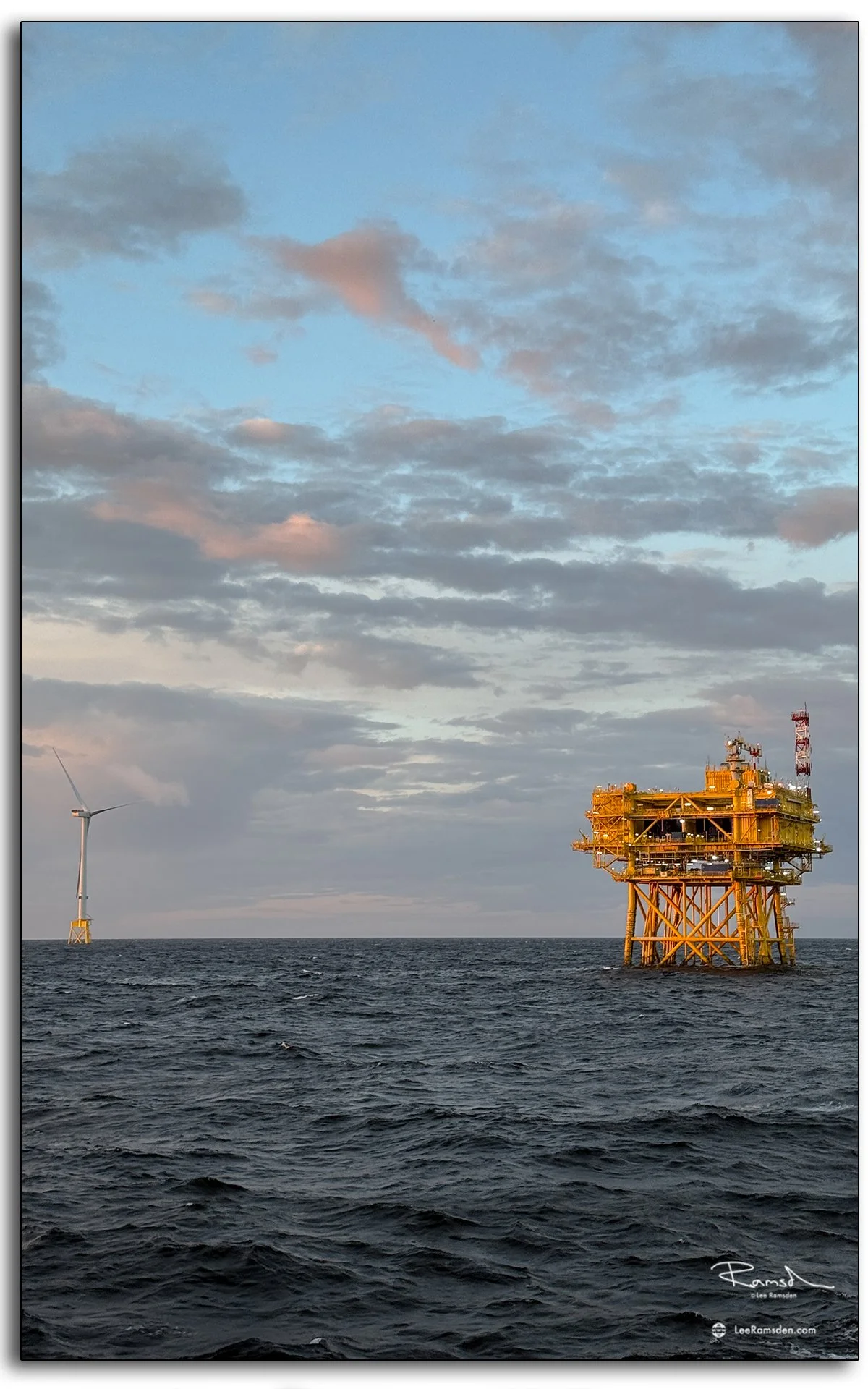
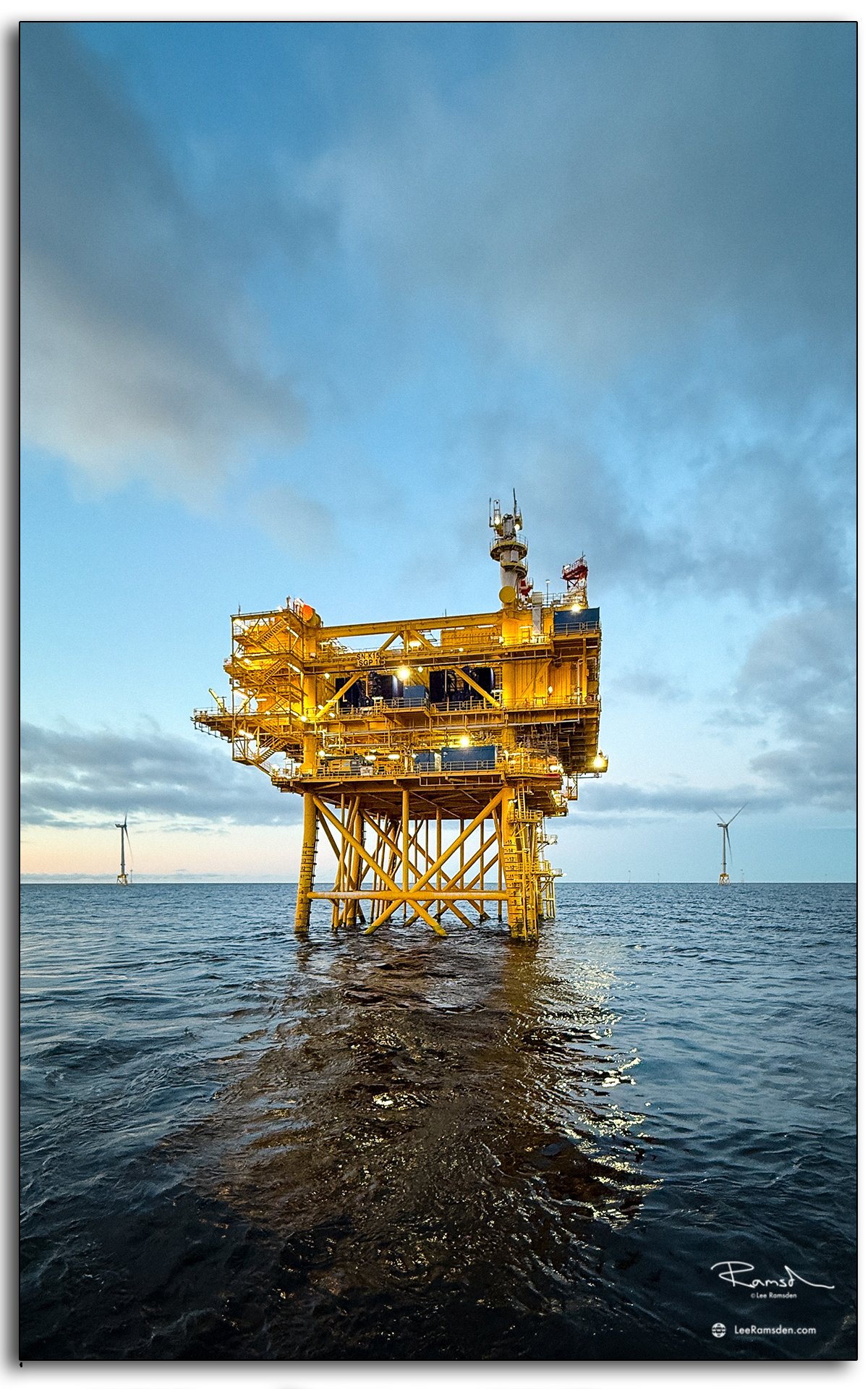
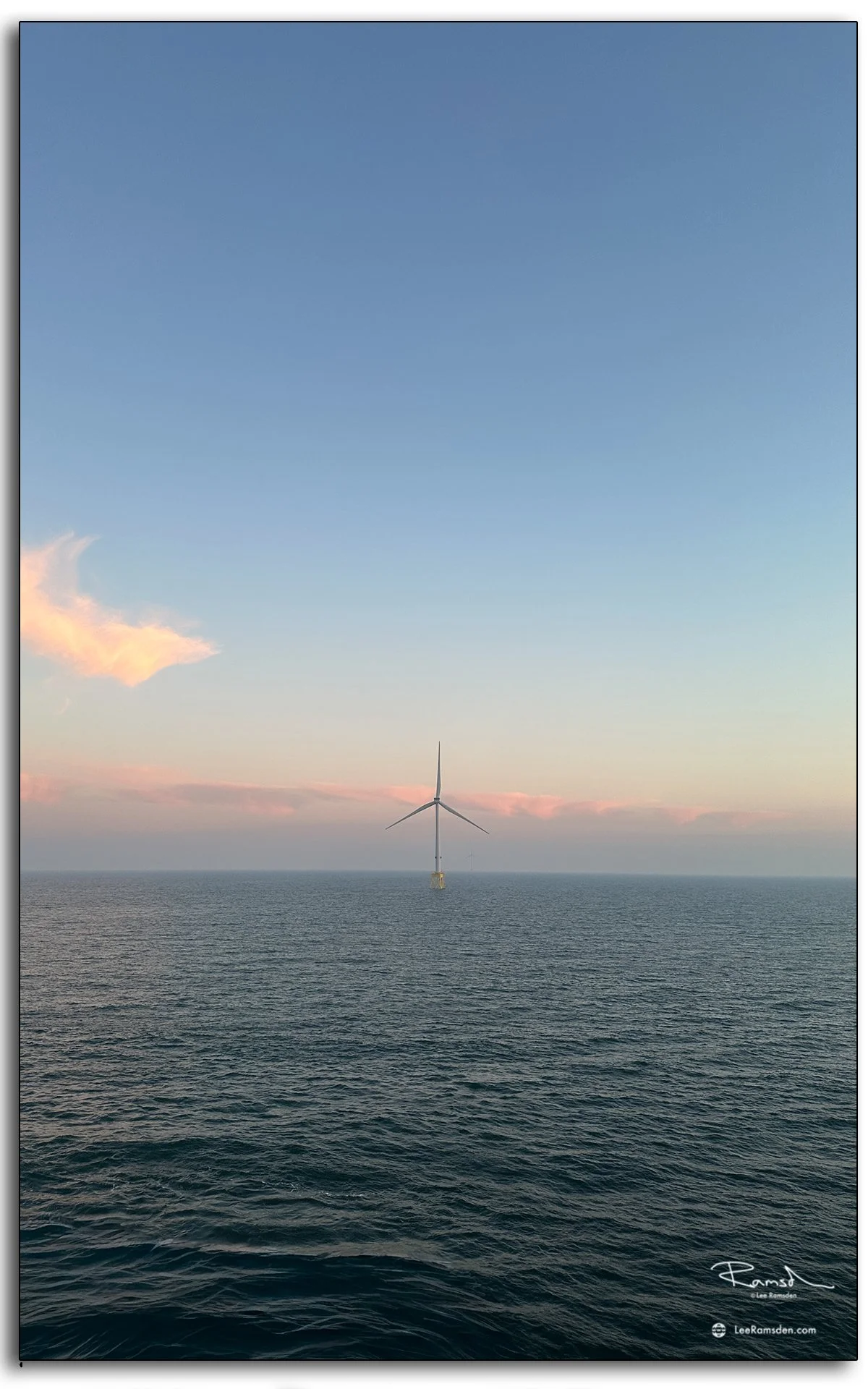
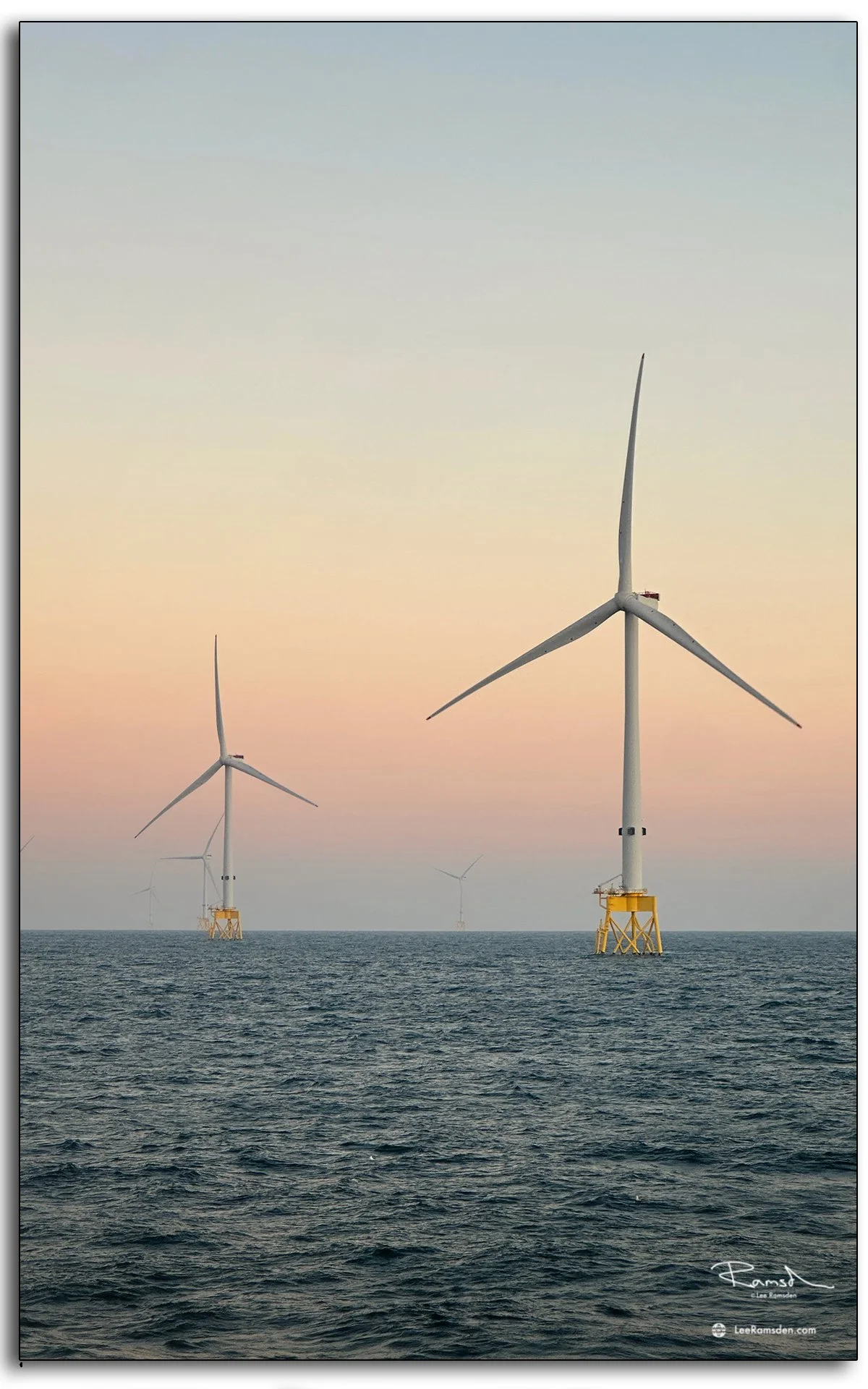
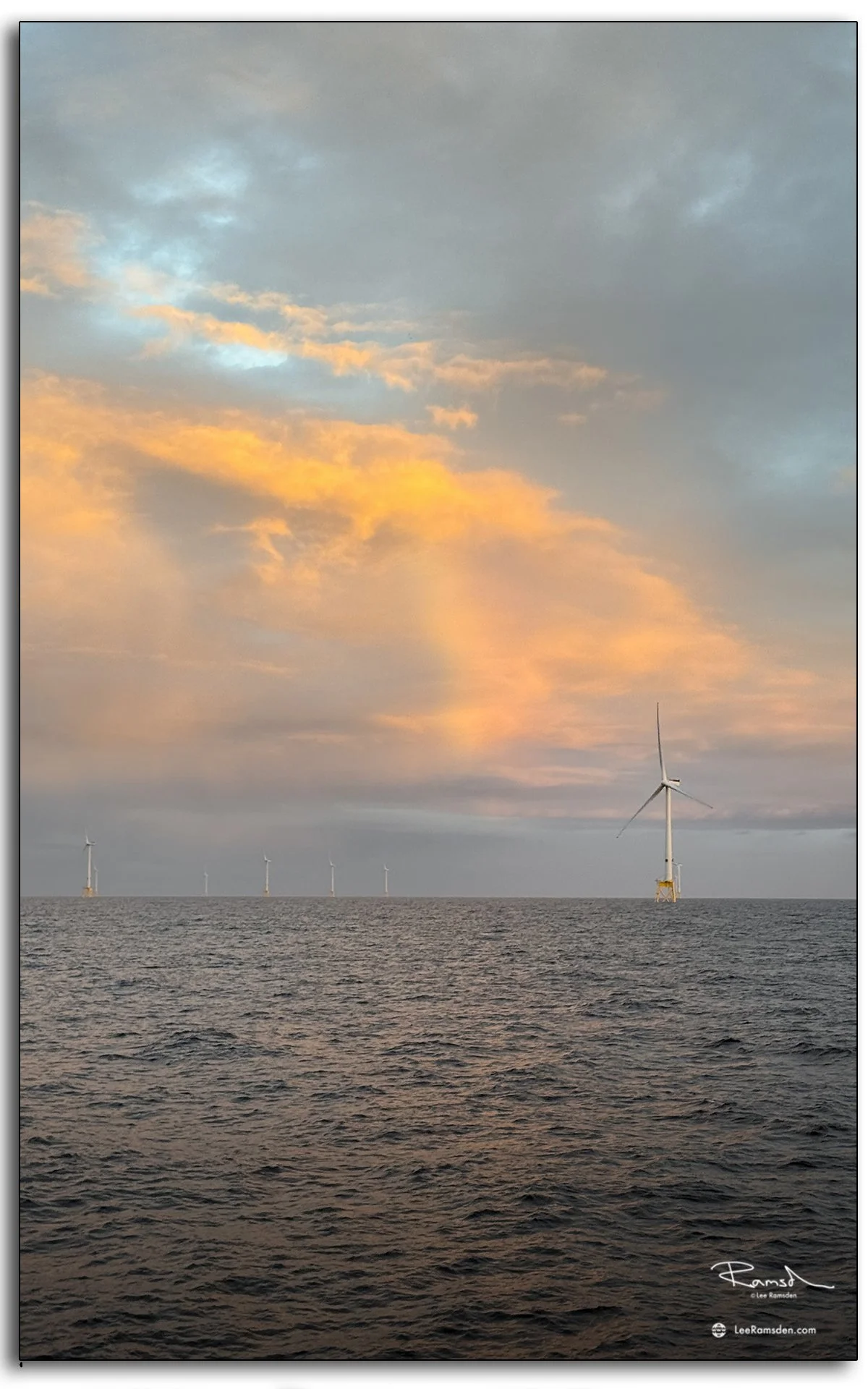
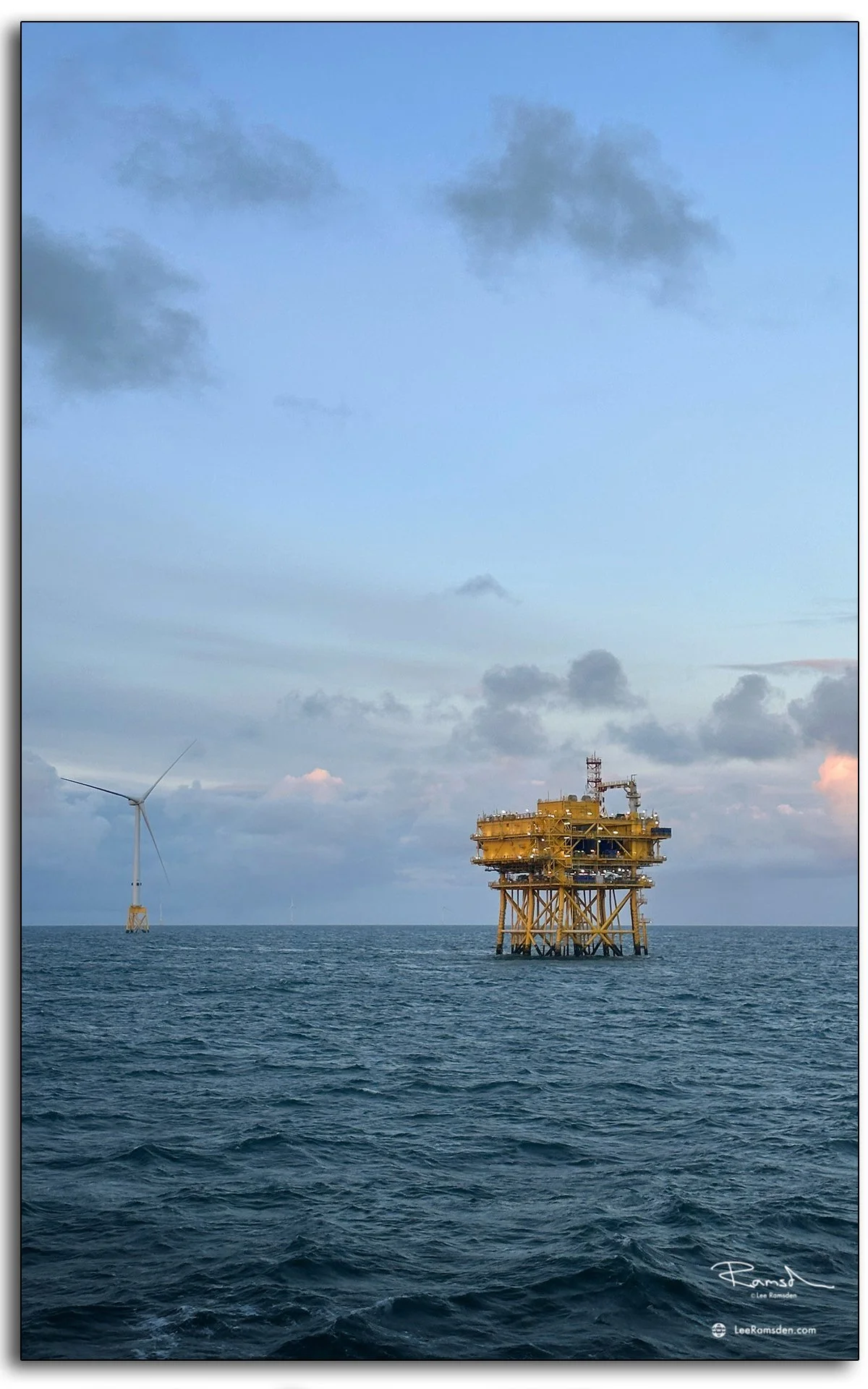
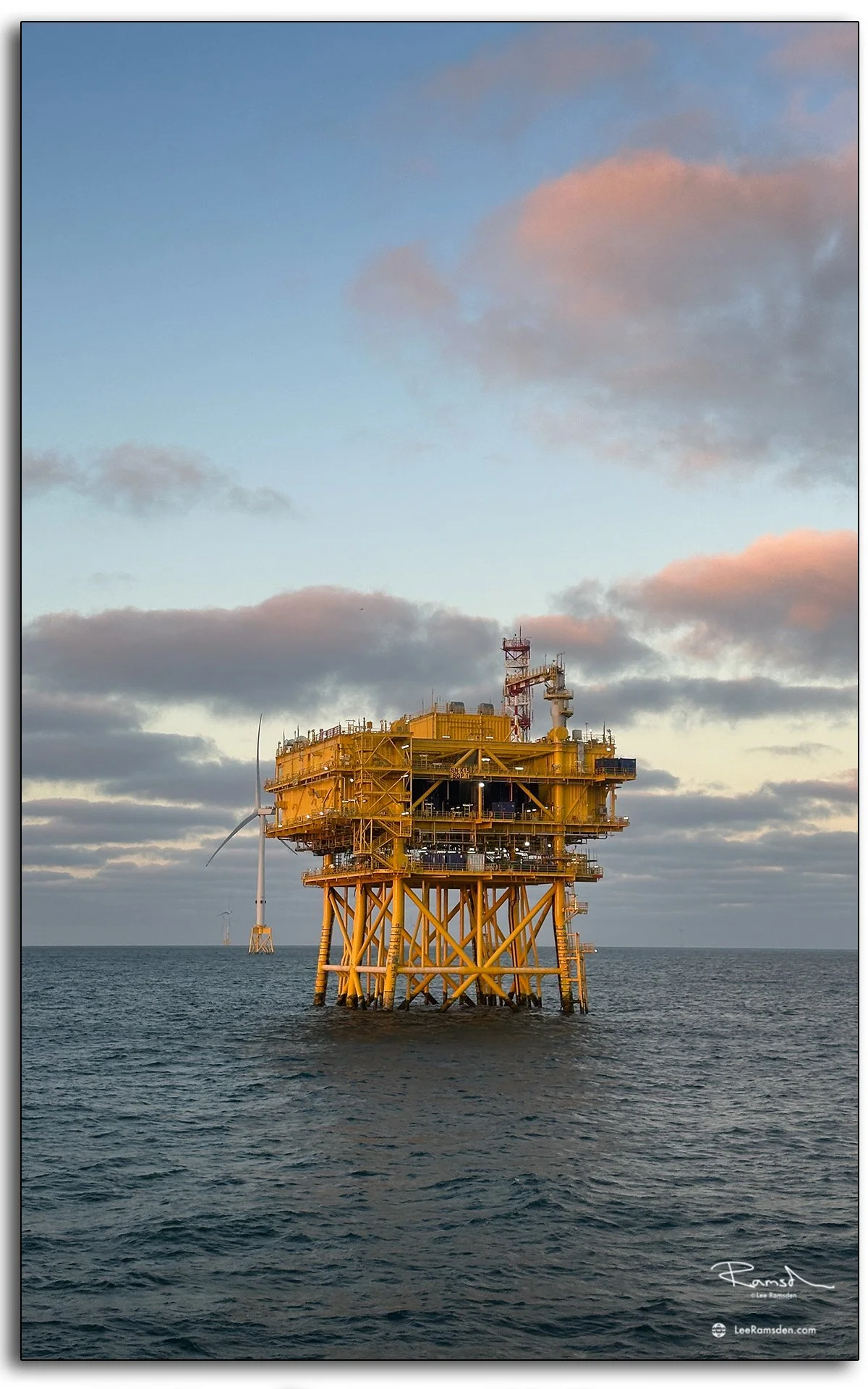
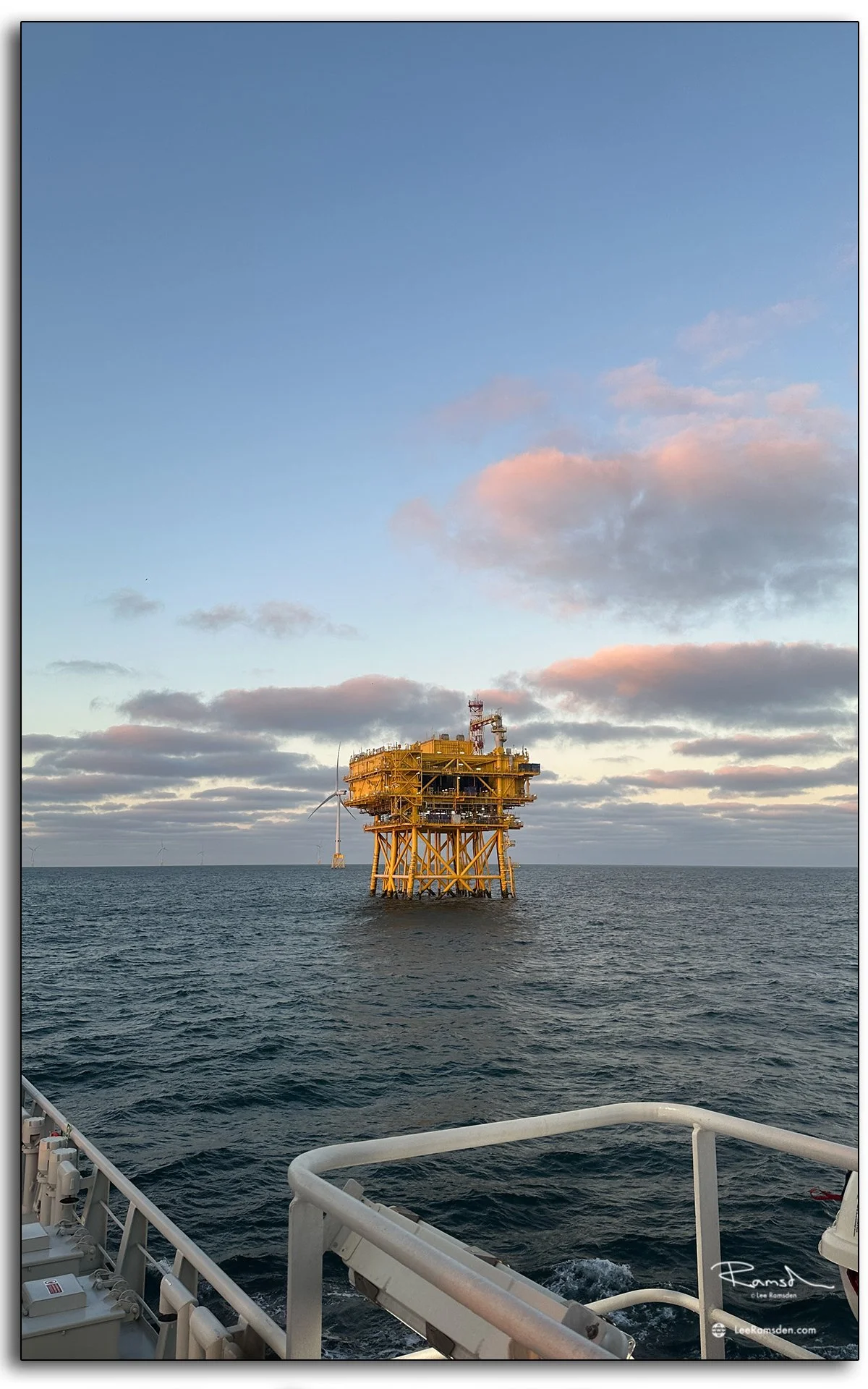
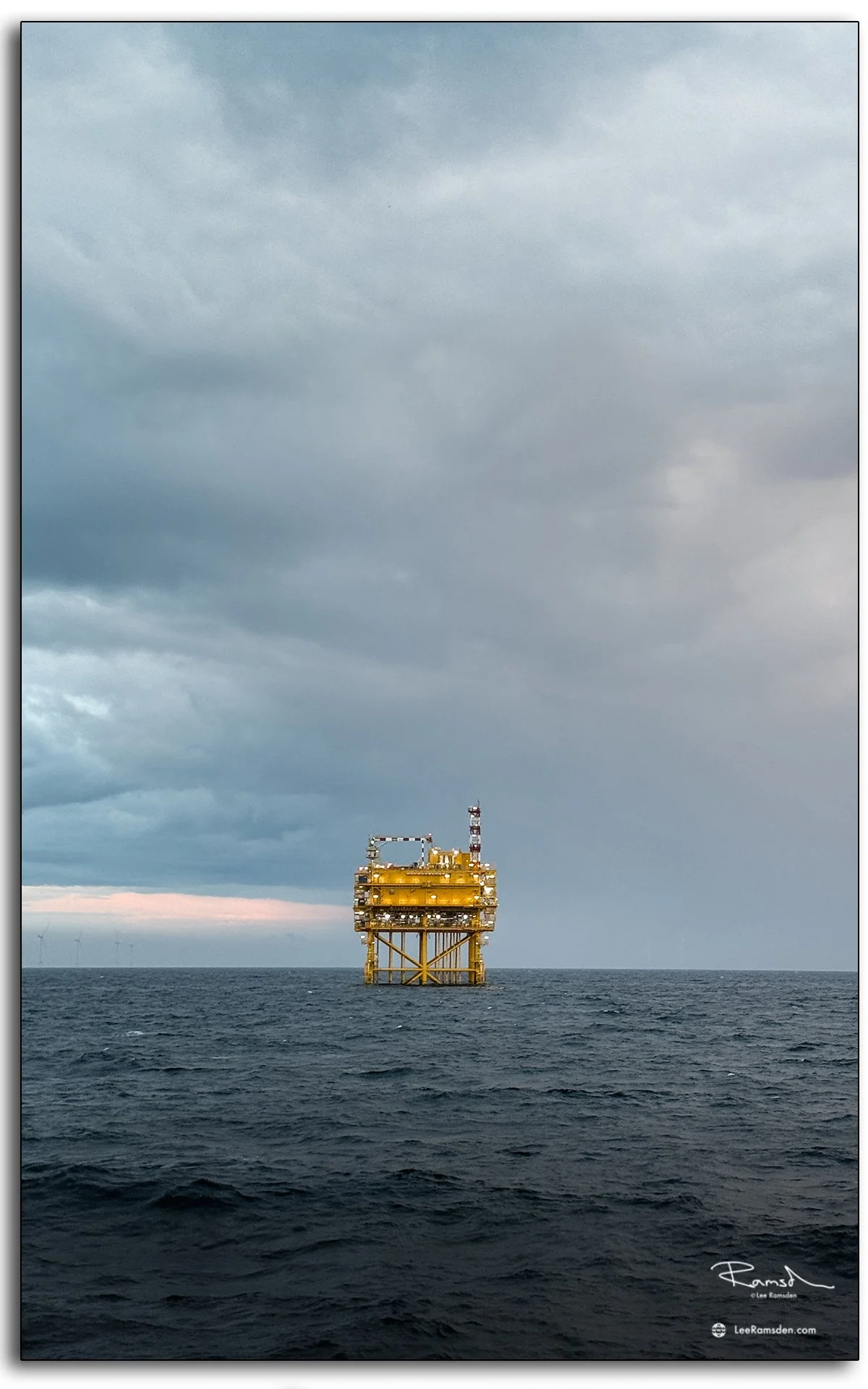
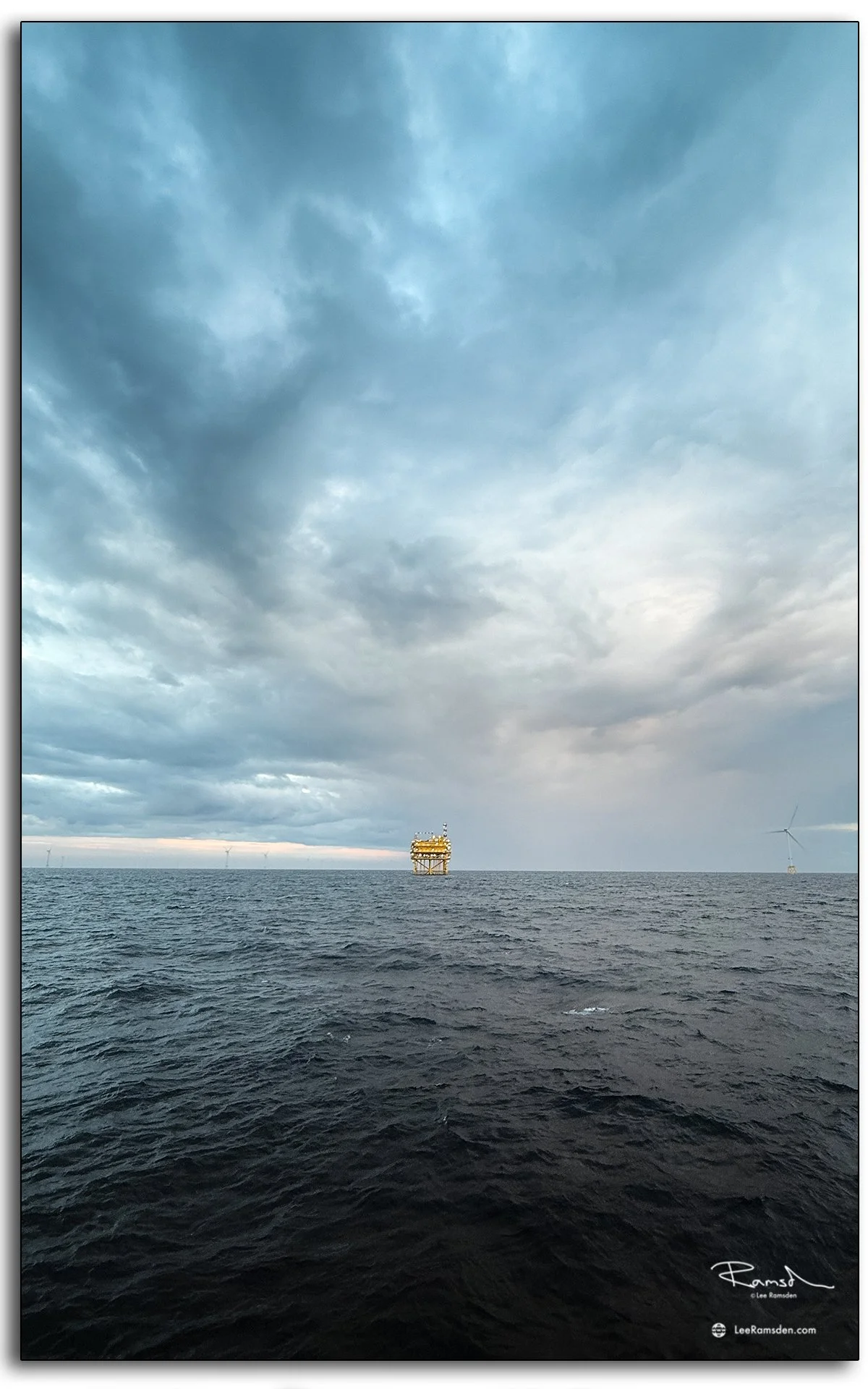
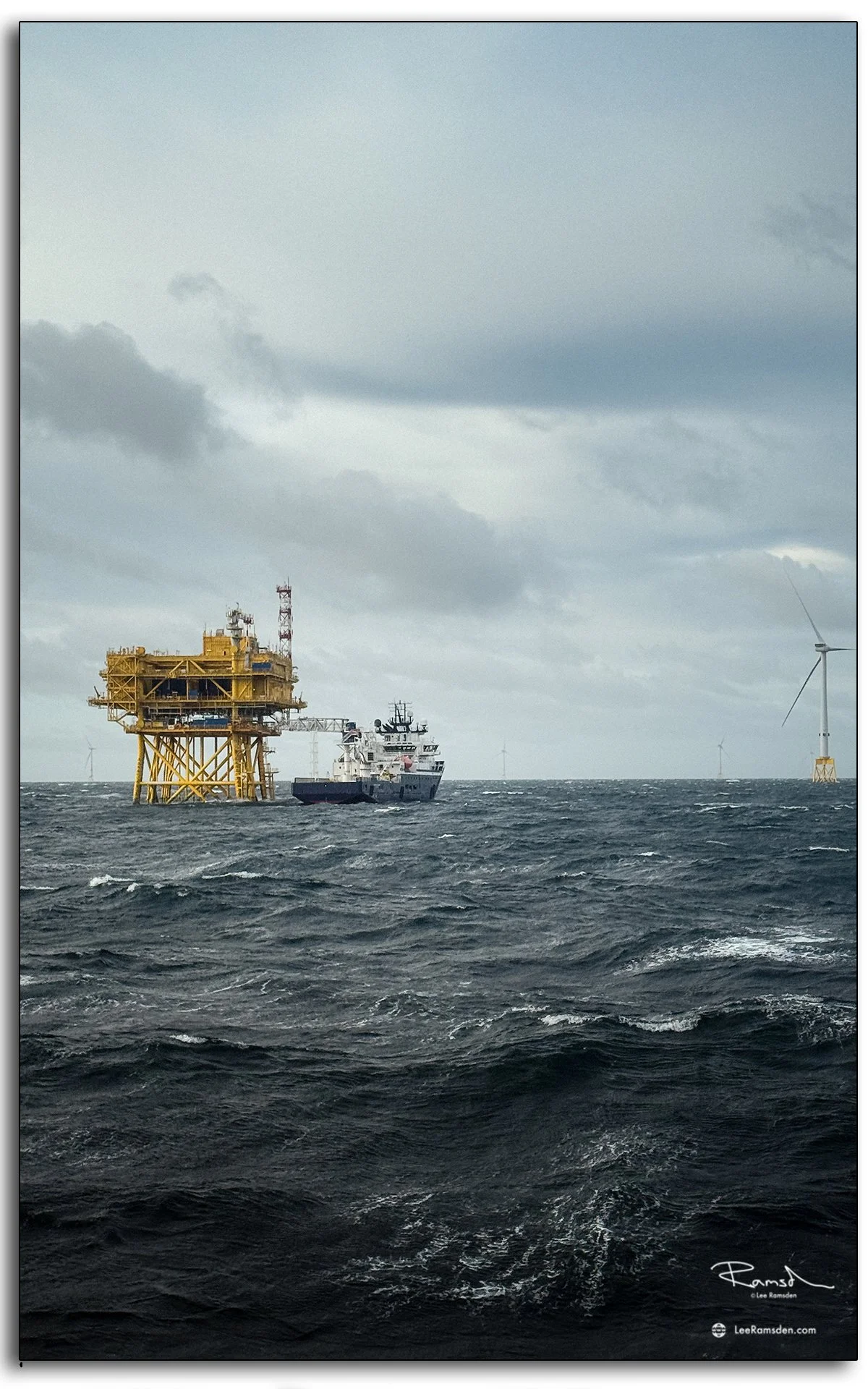
Working offshore often means spending long stretches of time alongside these vast yellow structures – offshore substations. They form the backbone of a wind farm, collecting and exporting the power generated by turbines scattered across the sea.

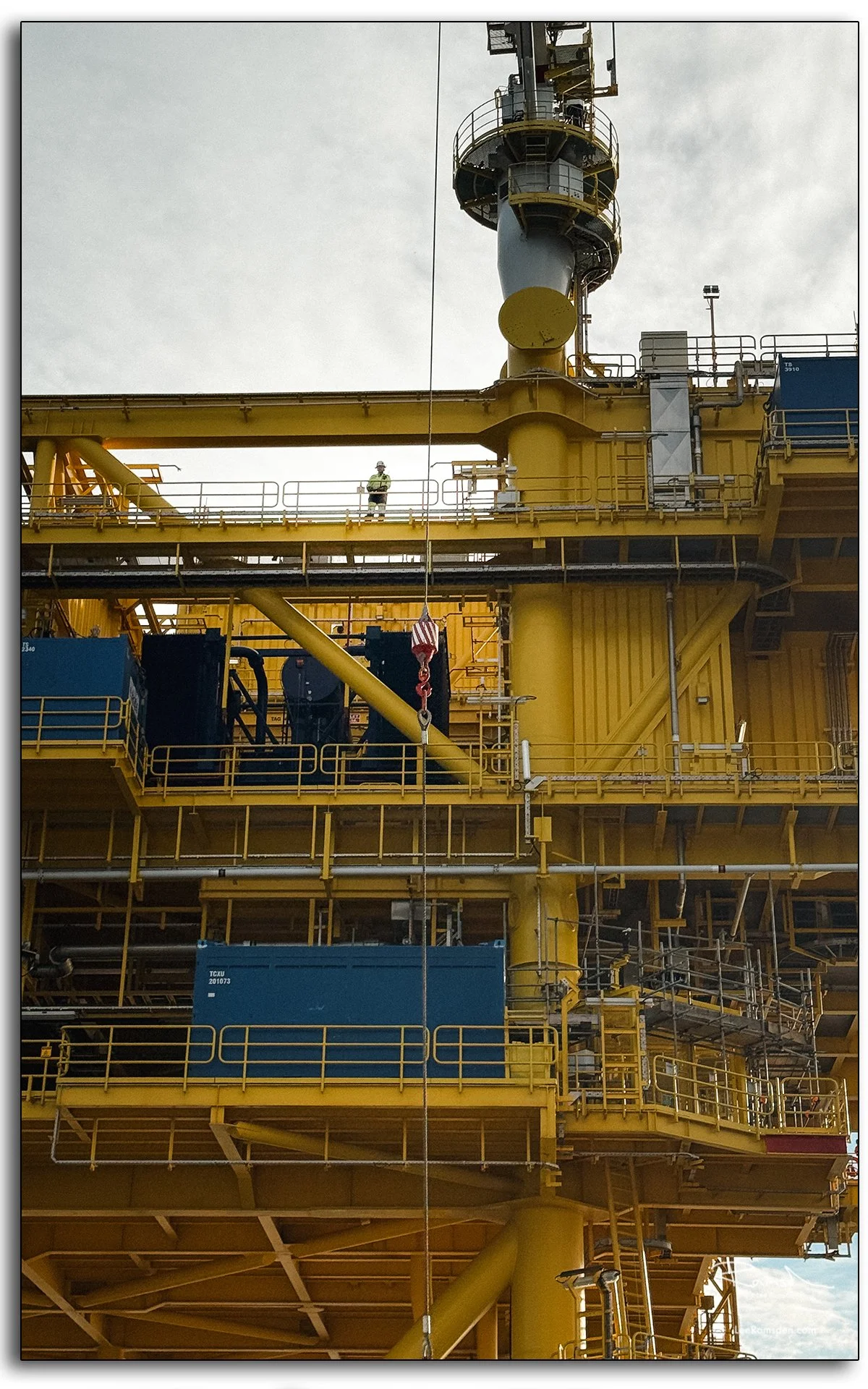
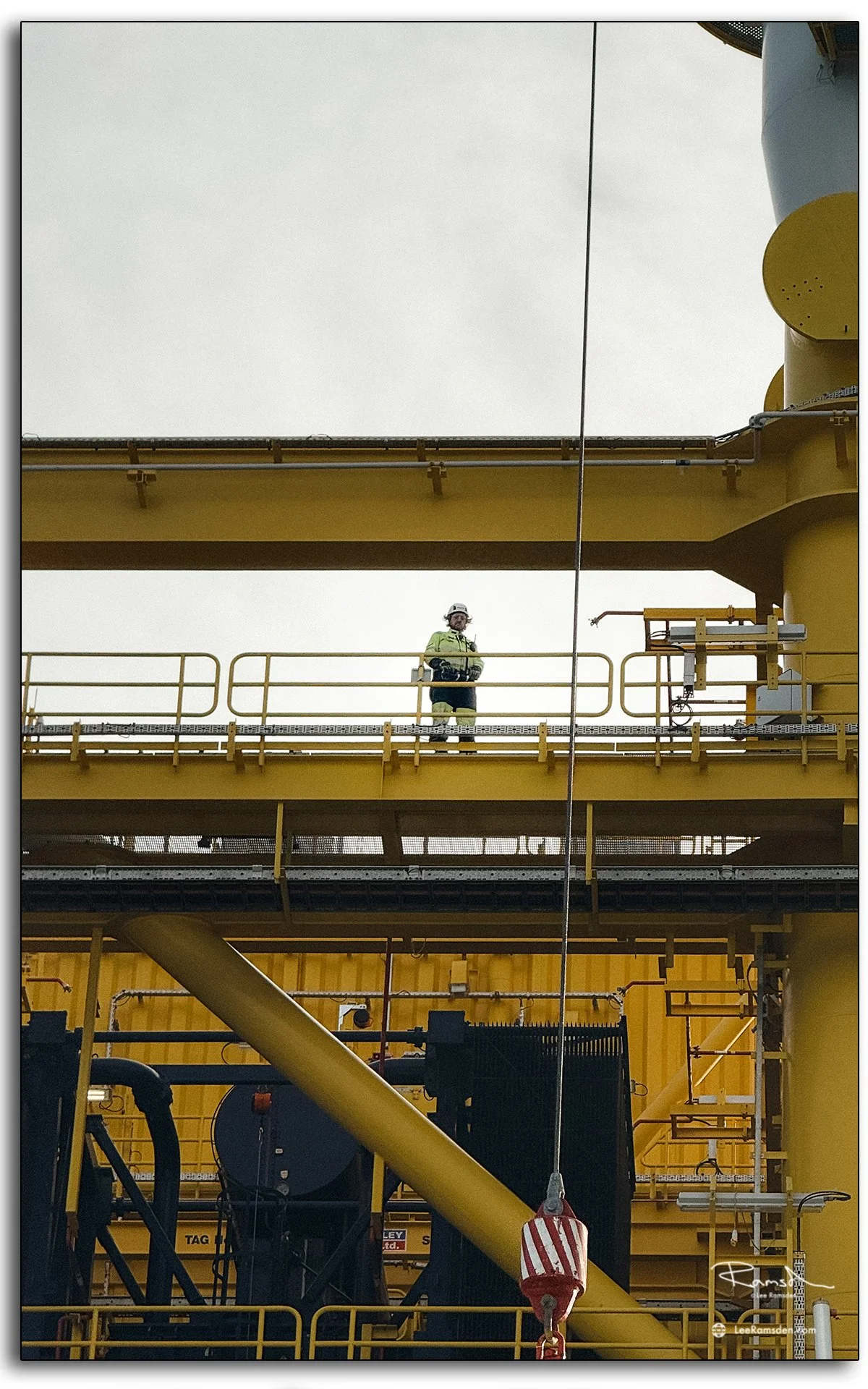
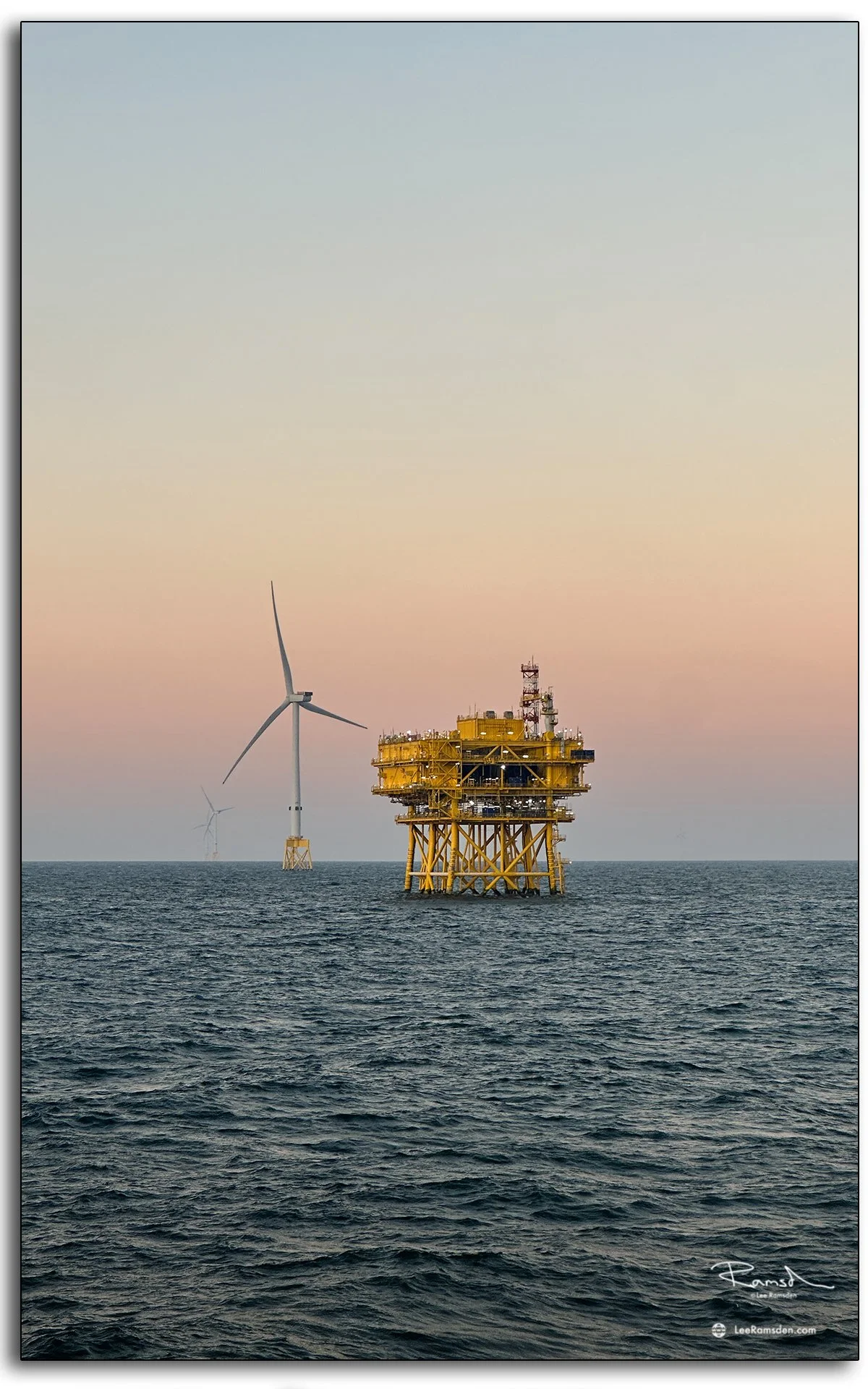
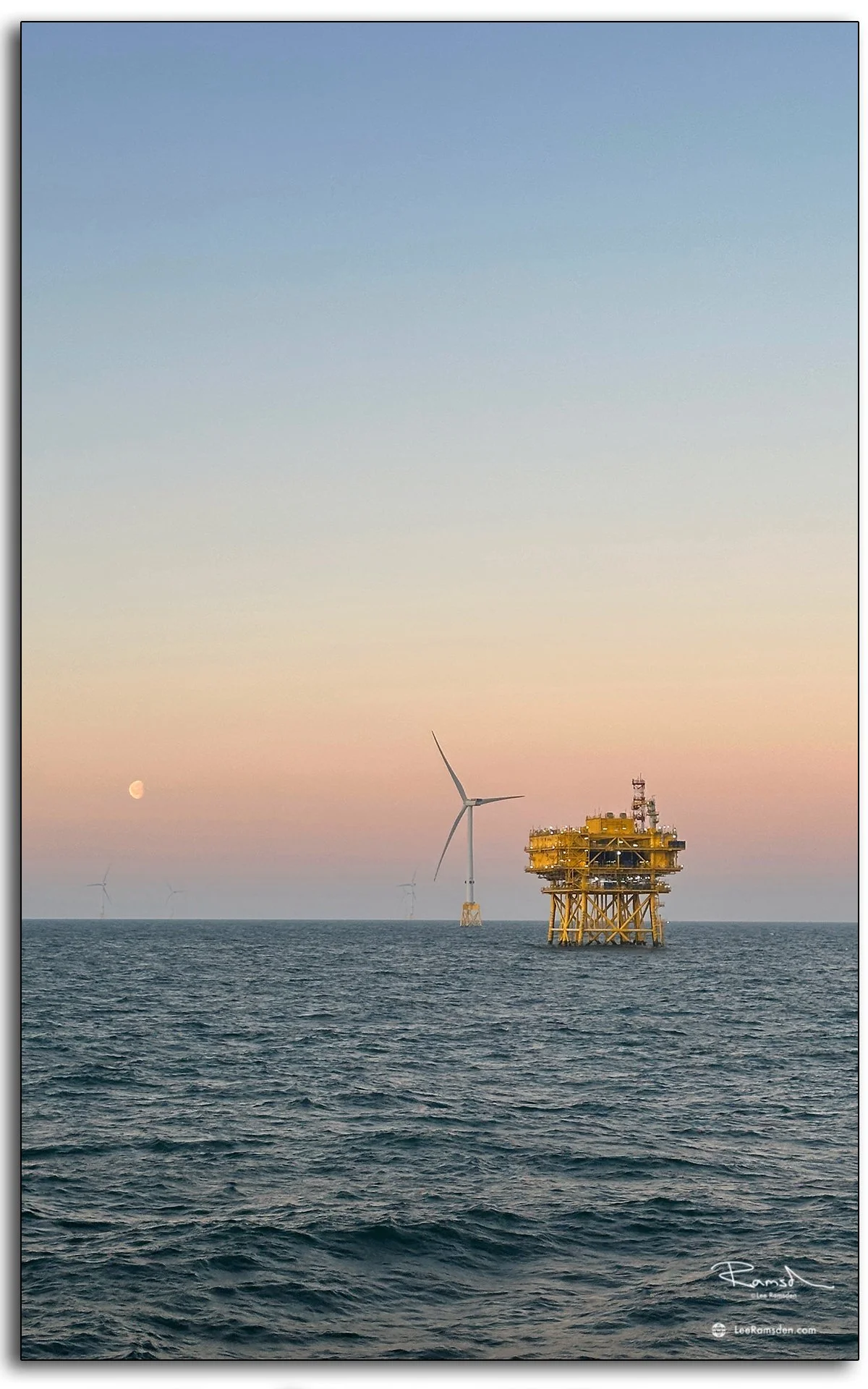
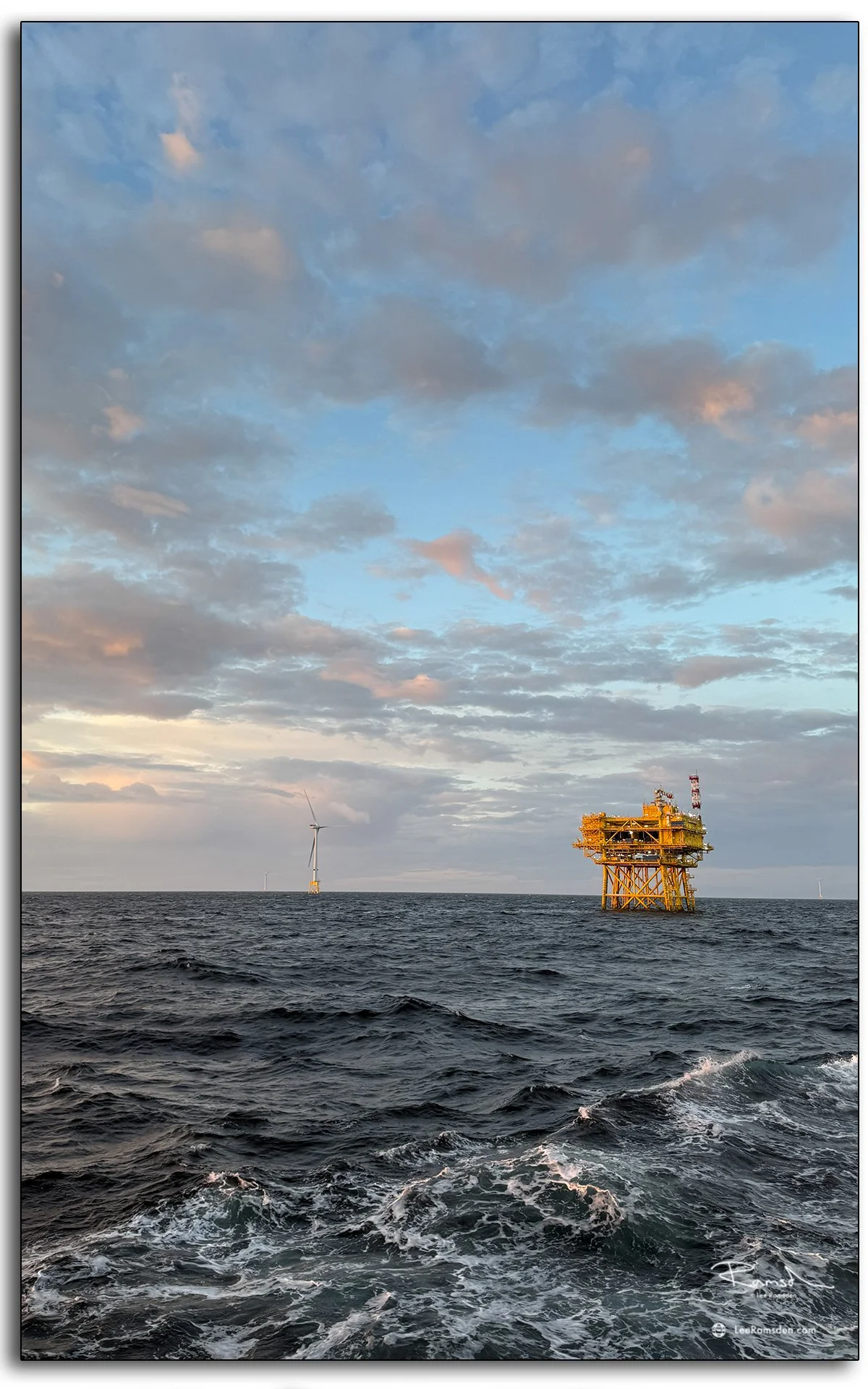
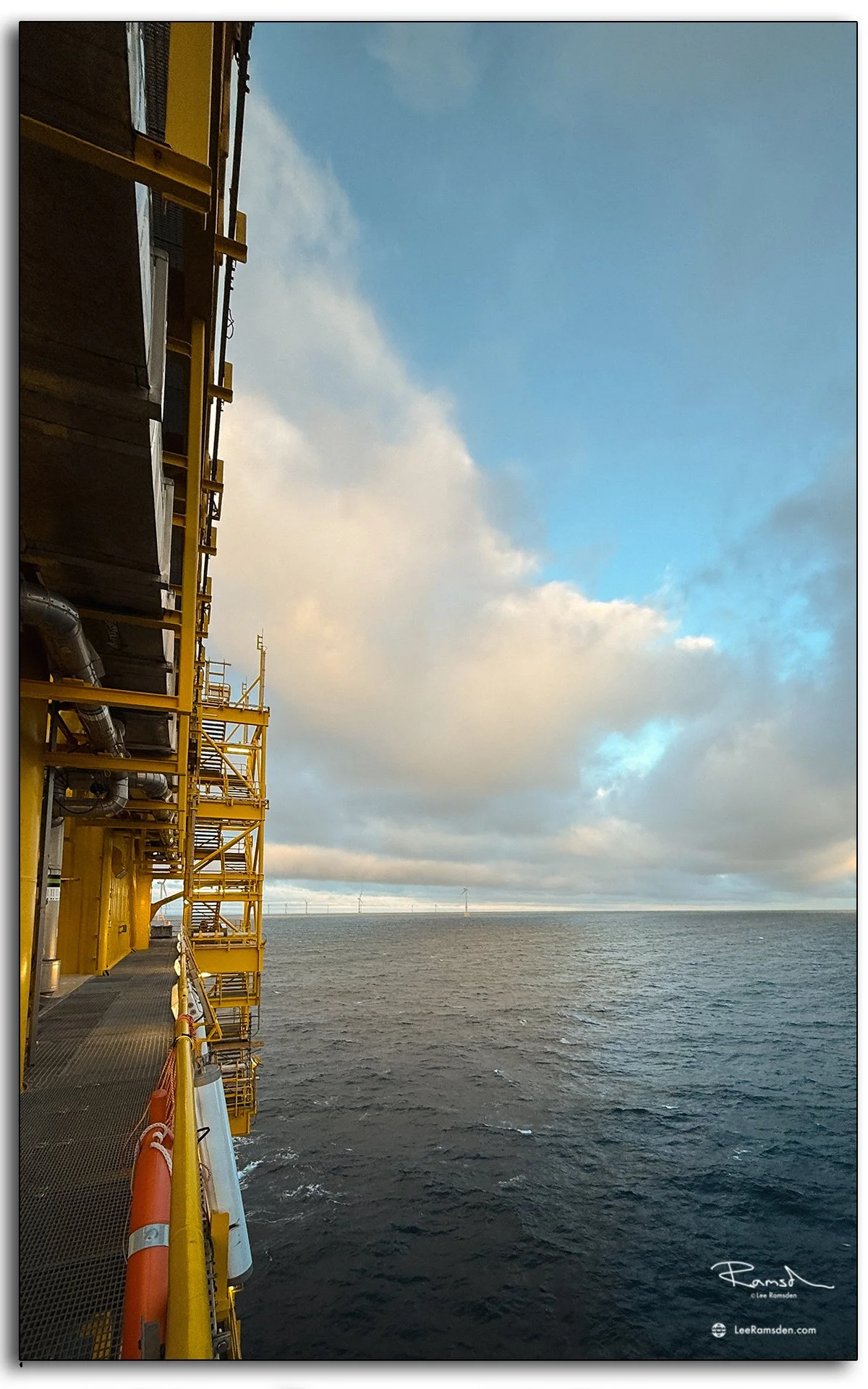
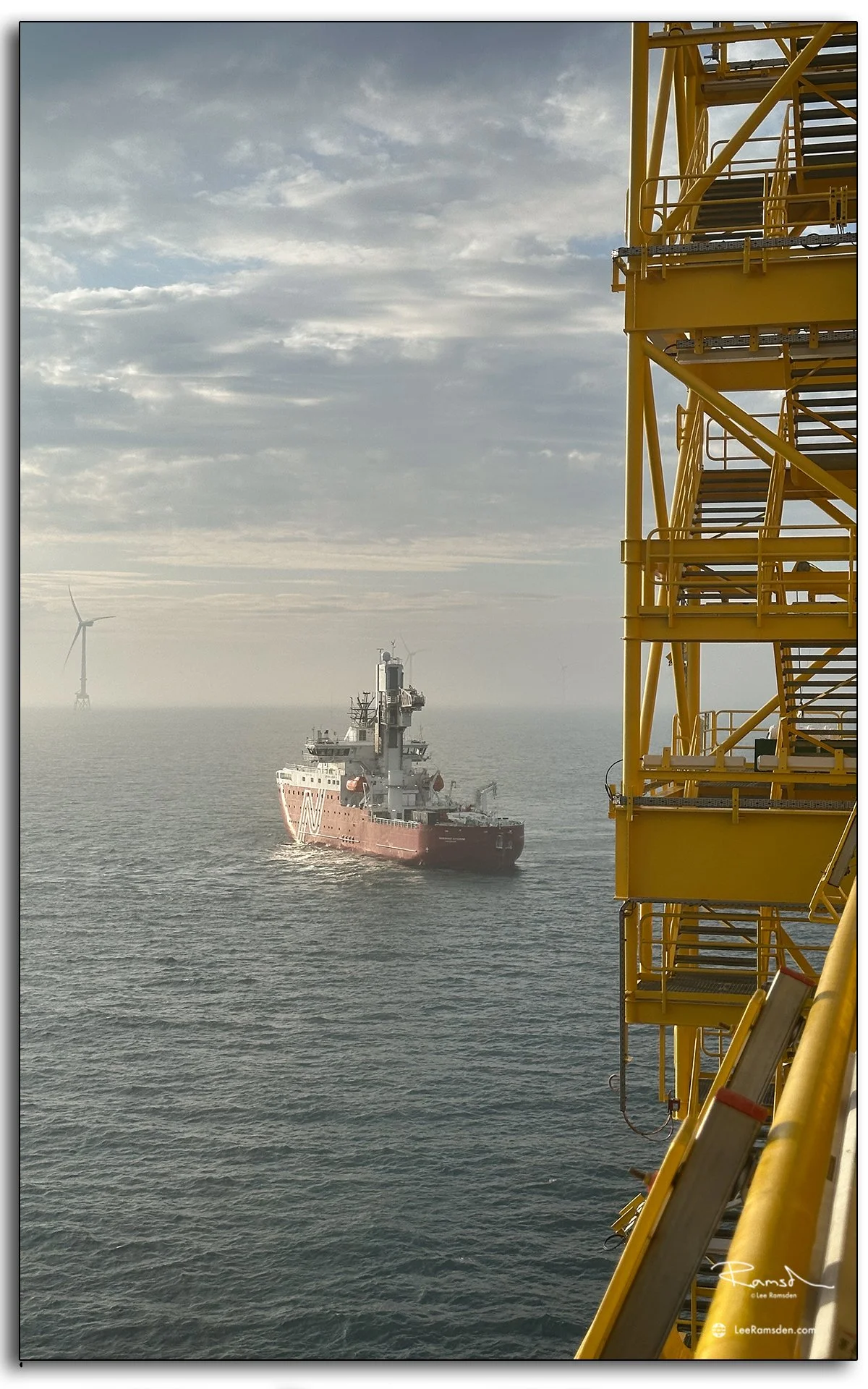
The scale is difficult to appreciate until you’re up close. From the deck of a vessel, the platforms rise high above the water, a complex of steel, stairs, and cables, lit up against the horizon. Depending on the weather, they can look strikingly different – golden in calm sunsets, isolated and moody under stormy skies, or glowing at night when lit against the dark.

For those who work out here, these structures are both workplace and landmark. For those onshore, they remain largely unseen, but they’re critical to delivering renewable energy back to the grid.

The offshore wind industry is a world of steel, sea, and constant change – both technical and natural. Capturing it in black and white strips everything back to structure and contrast, highlighting the balance between industry and environment. For more of my industrial and wind industry work, visit my Wind Industry portfolio.

Norwind Storm at Work

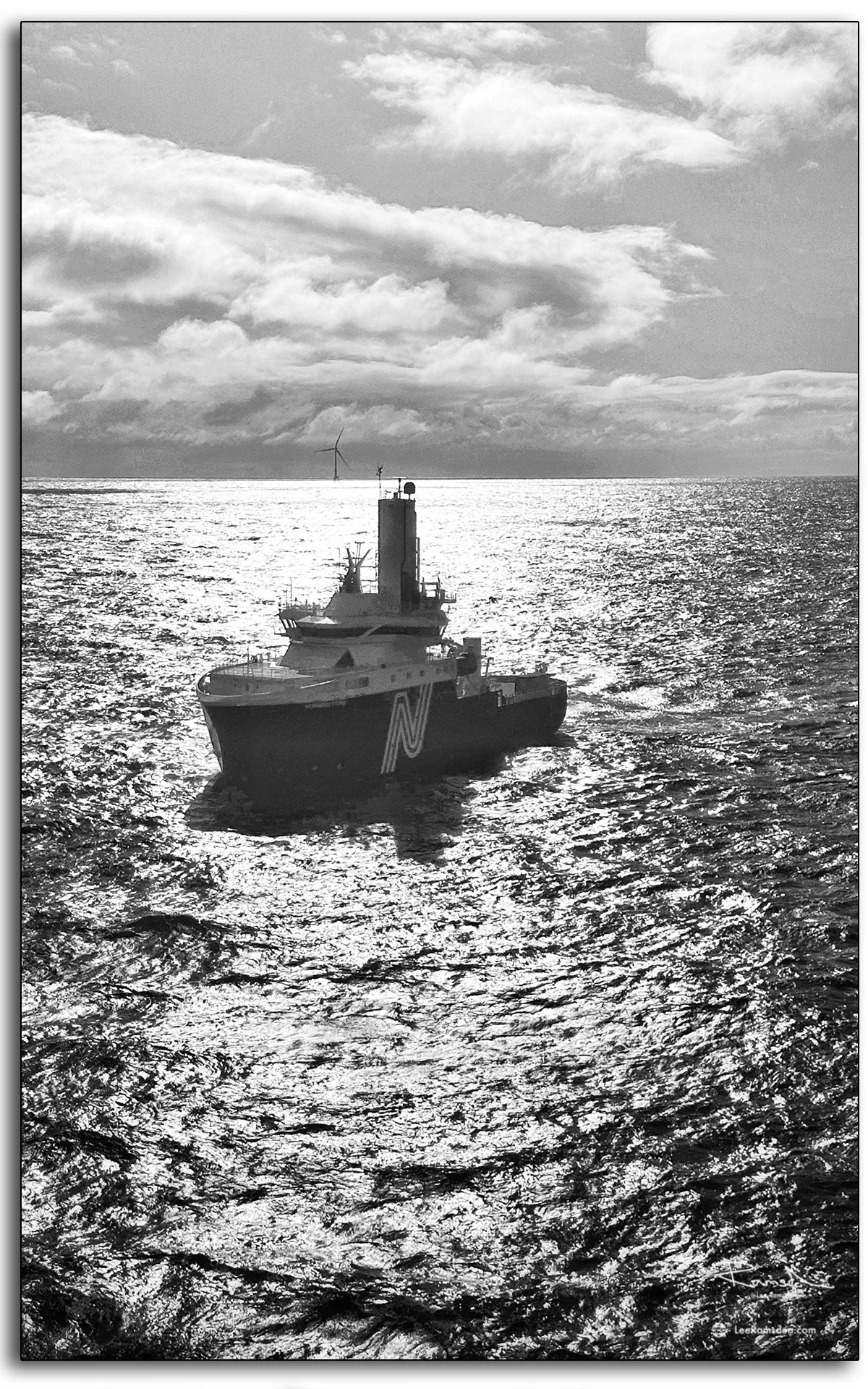
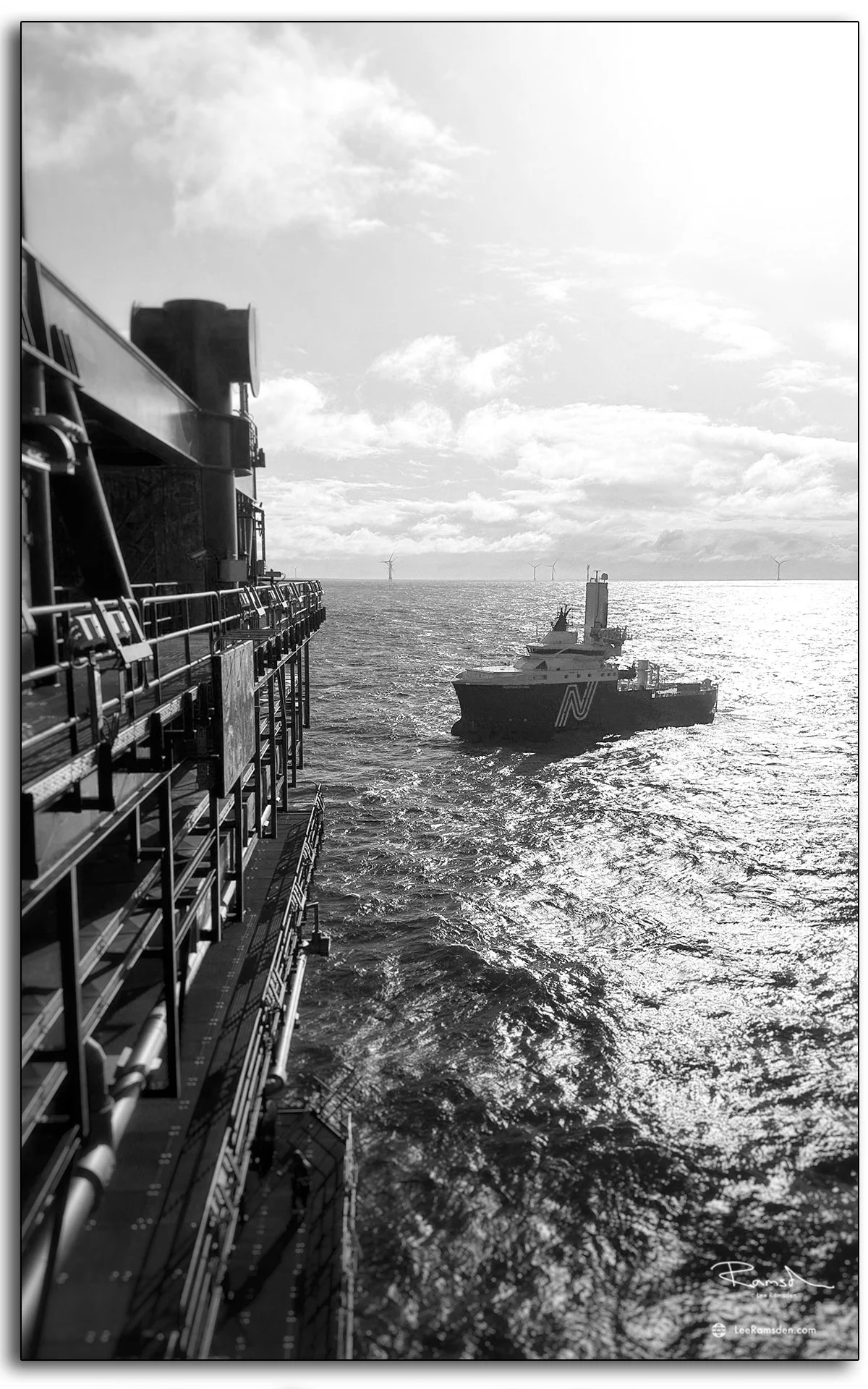
Norwind Storm offshore support vessel approaching a wind farm substation in the North Sea
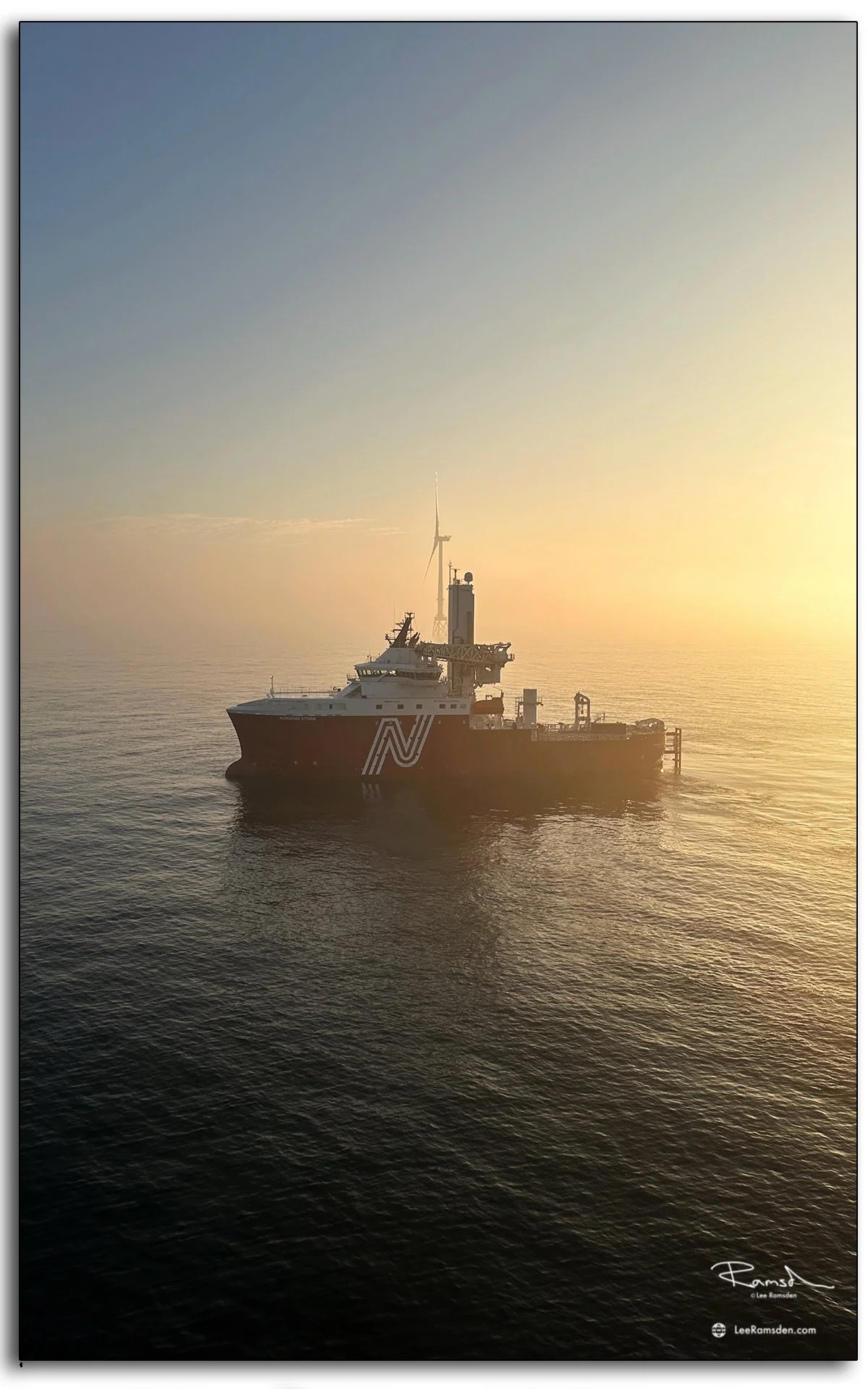
Norwind Storm vessel at sunrise with wind turbines on the horizon, captured in the North Sea

Out in the North Sea, the Norwind Storm is a familiar sight—steady, purposeful, and always where the work is. These iPhone images capture the vessel alongside the offshore substation, with the wind turbines fading into the haze and the low sun throwing golden light across the water.

From the deck or framed against the open horizon, the Storm stands as a reminder of the constant effort behind the offshore wind industry. The scale of the operation is immense, yet moments like these bring out its quiet beauty.

See more of my work in the Wind Industry portfolio.

Offshore Walk-to-Work Transfers

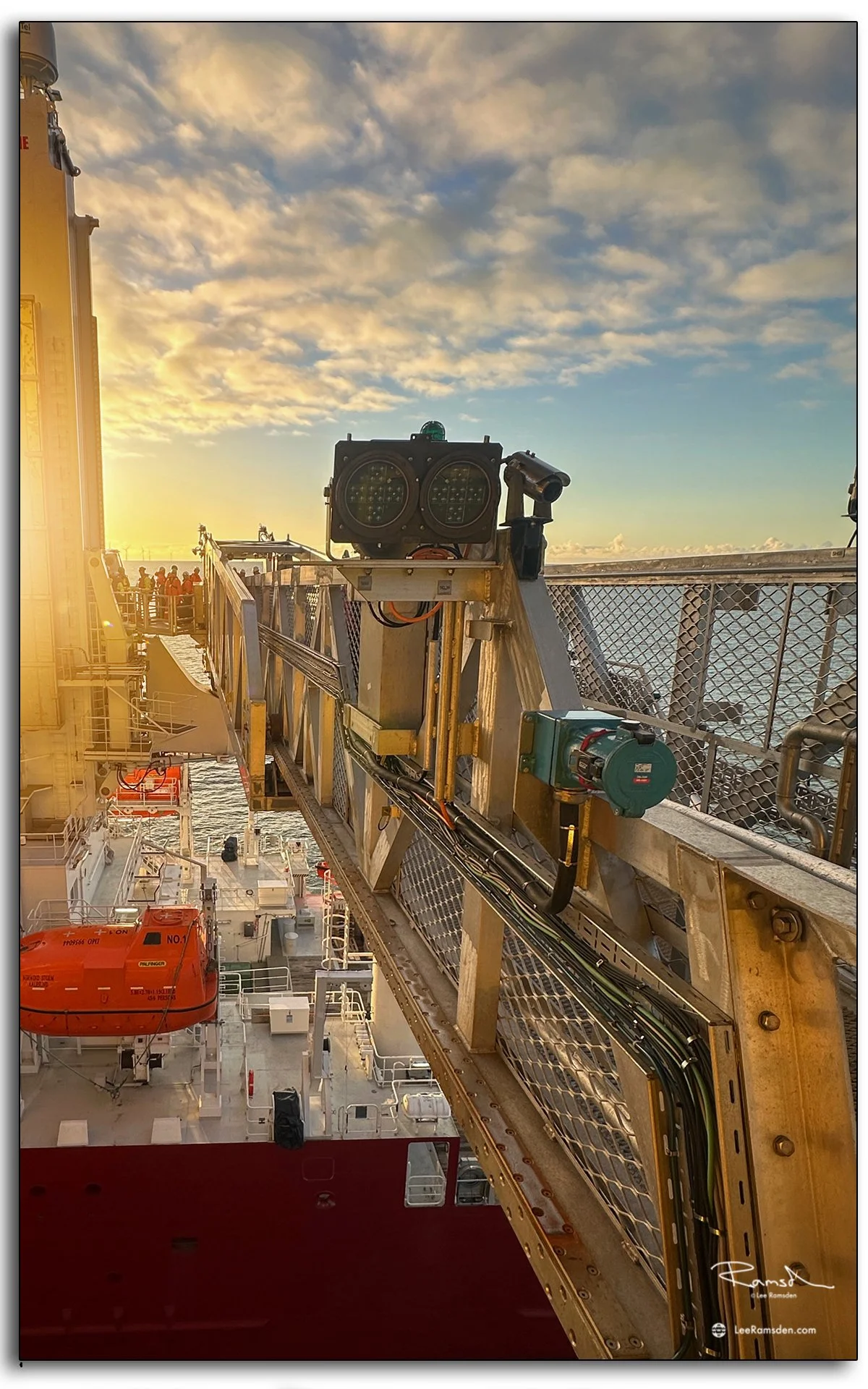
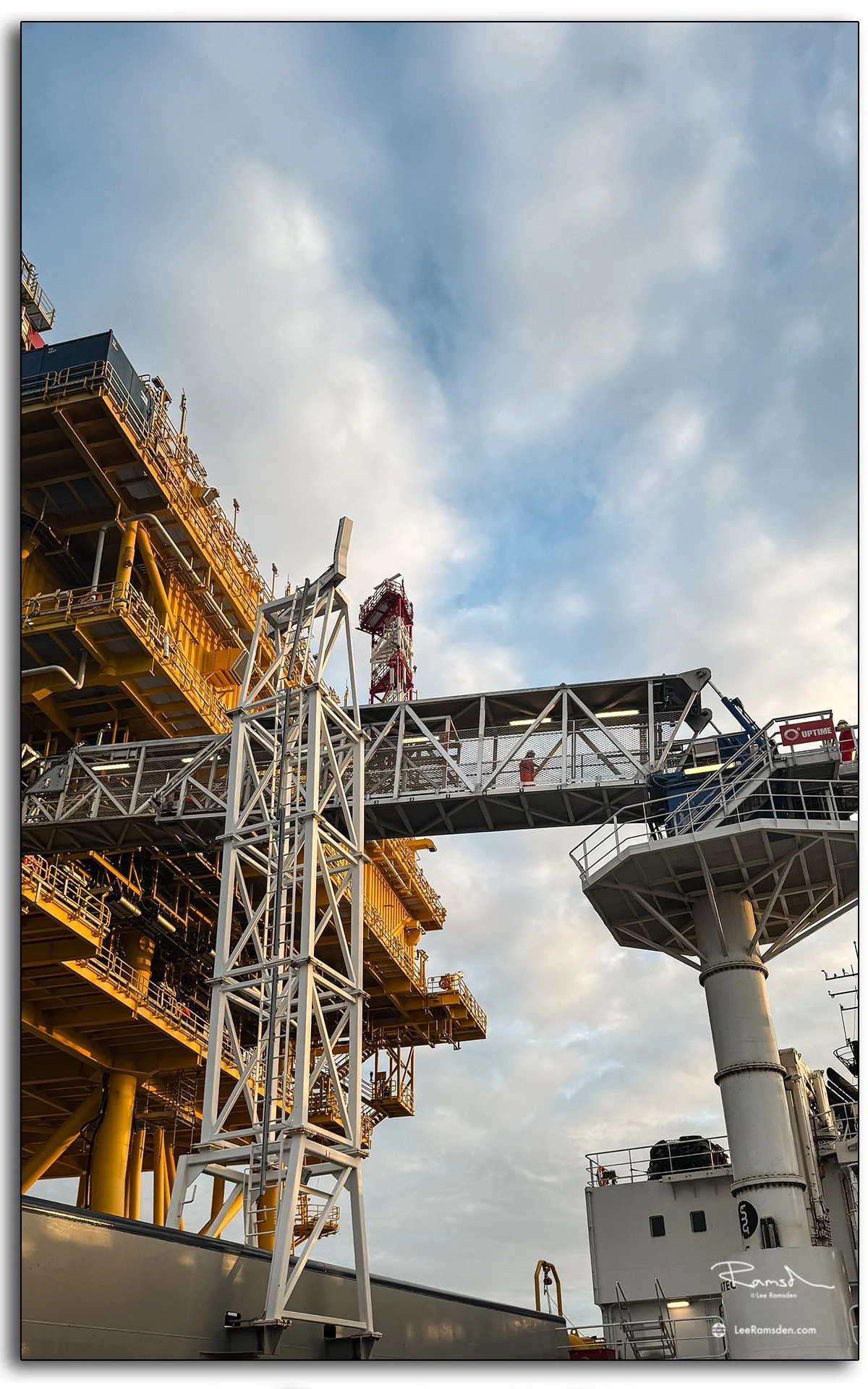
Side view of offshore Walk-to-Work bridge extended to platform, photographed at sunrise.
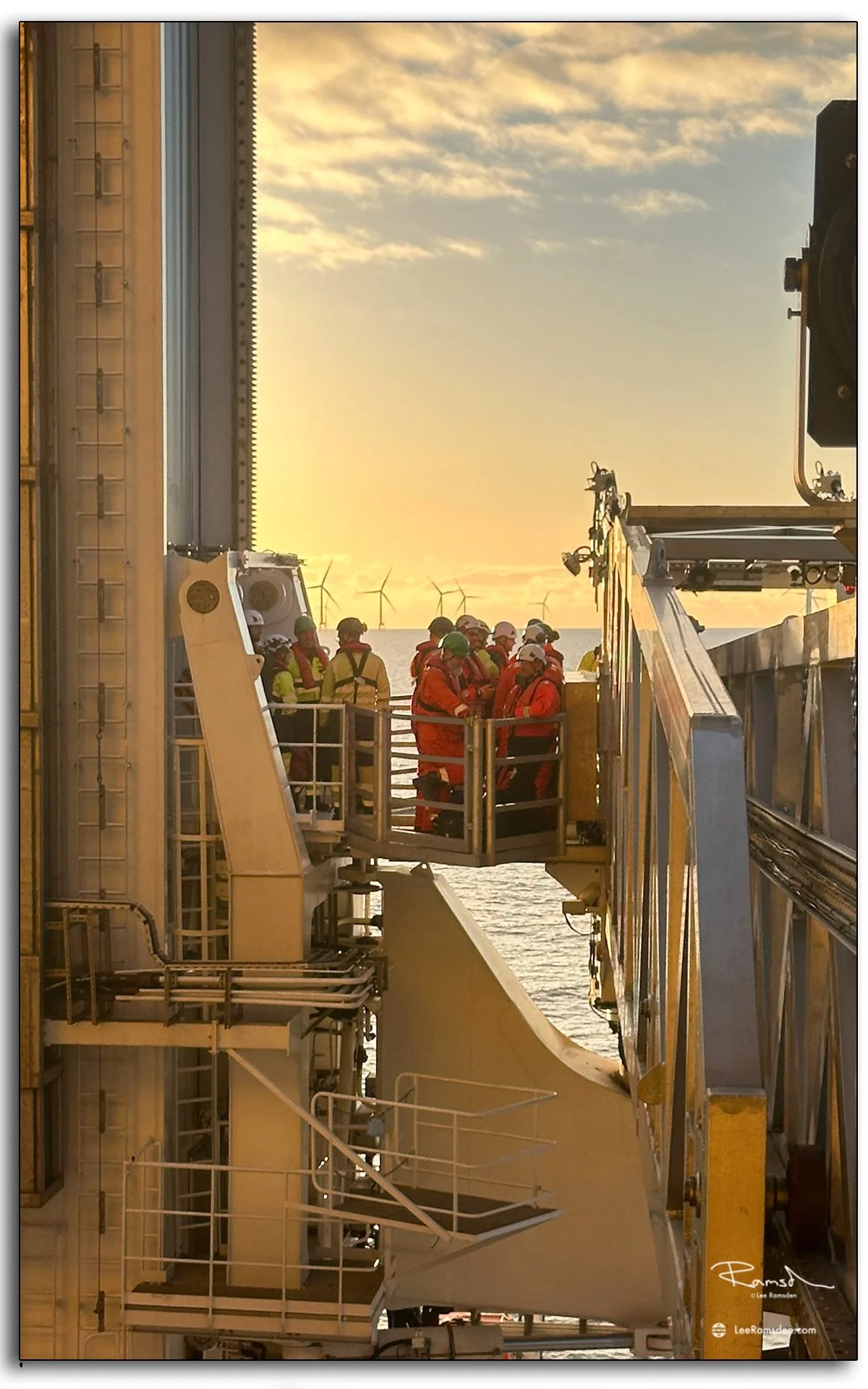
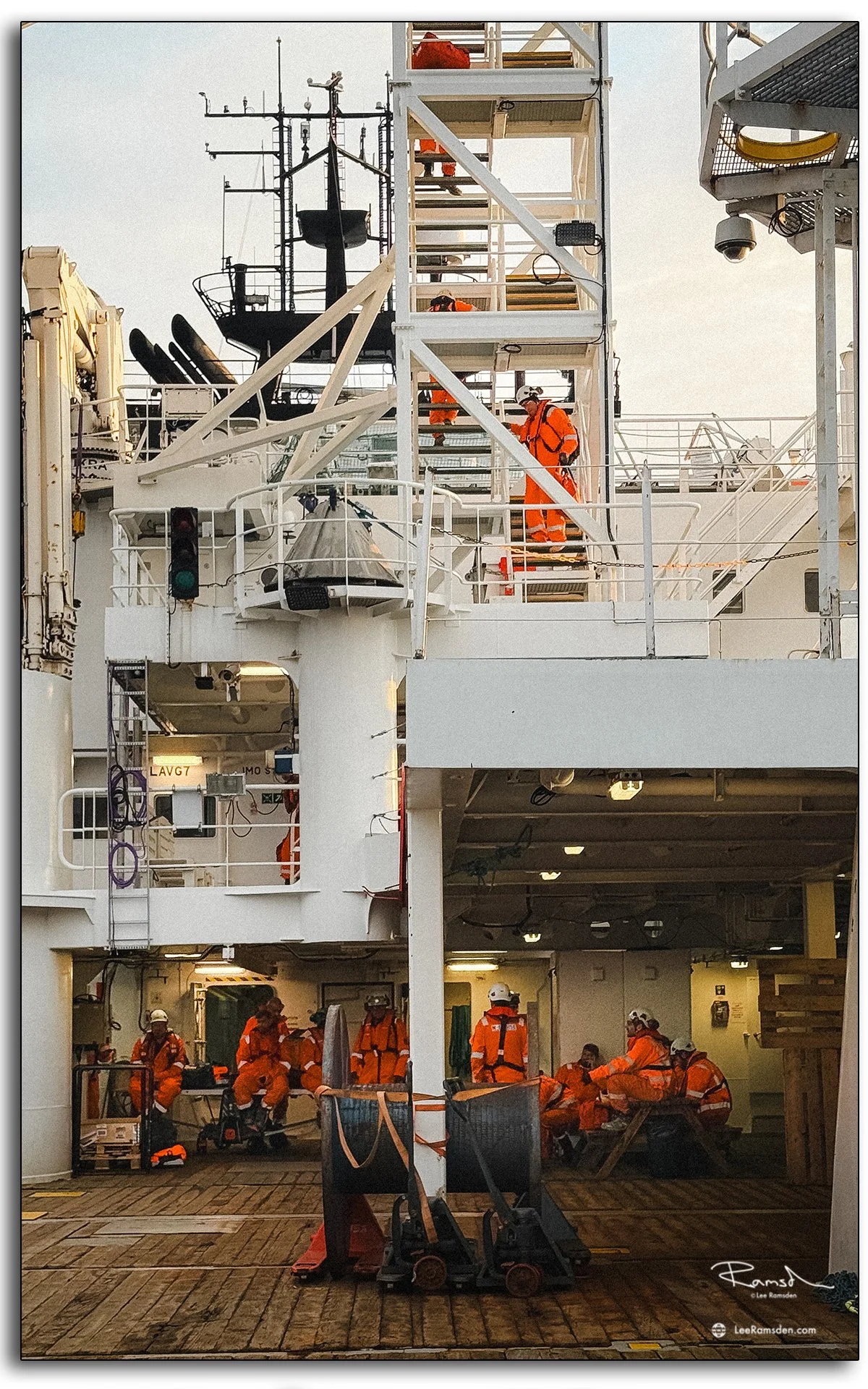
Offshore crew gathered in PPE, preparing to transfer via Walk-to-Work bridge.

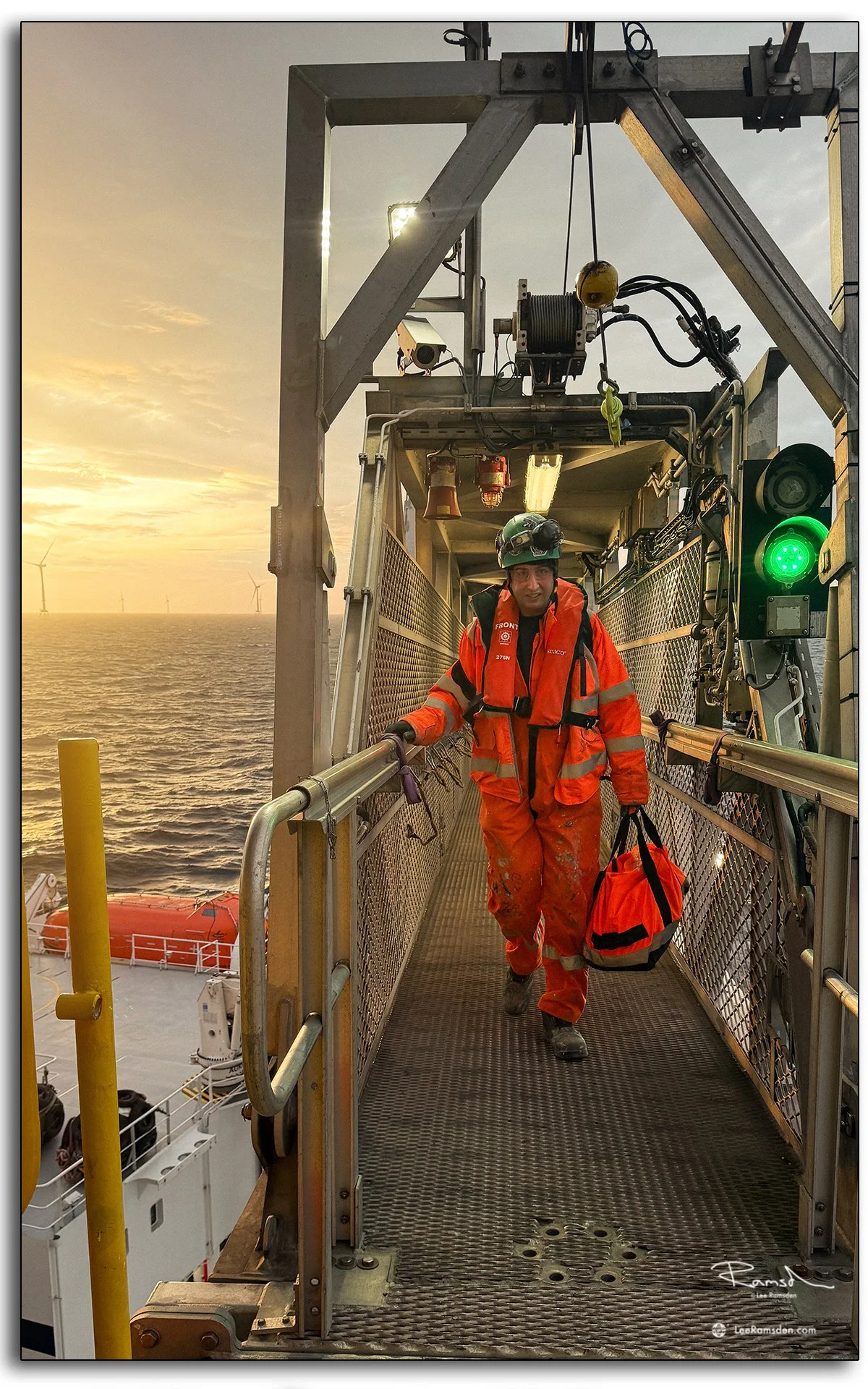
Crew transfers offshore are all about routine, discipline, and trust in the equipment. These images show the daily process of moving between vessel and platform via the Walk-to-Work bridge.

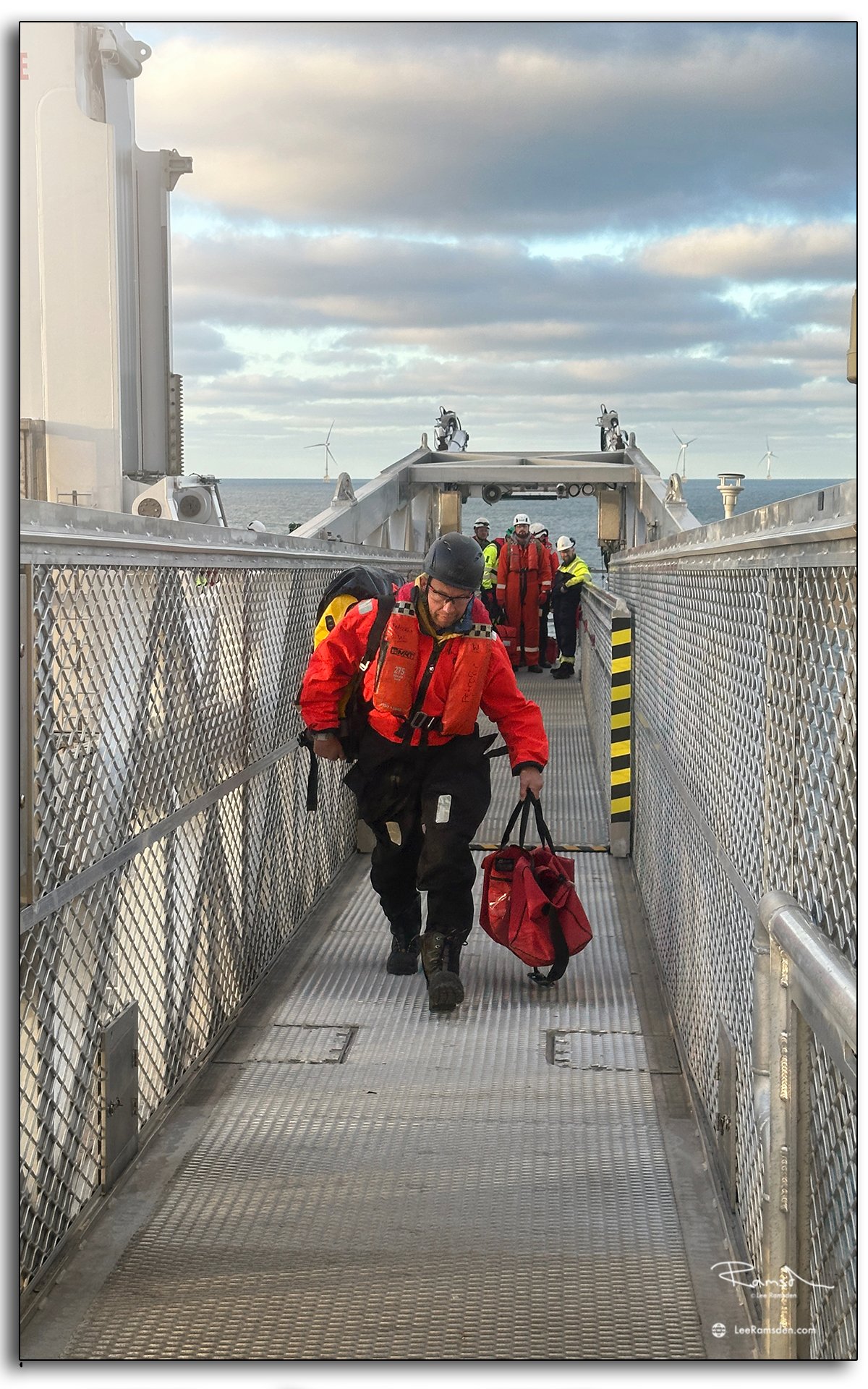
Offshore worker in survival suit crossing Walk-to-Work bridge in calm sea conditions.
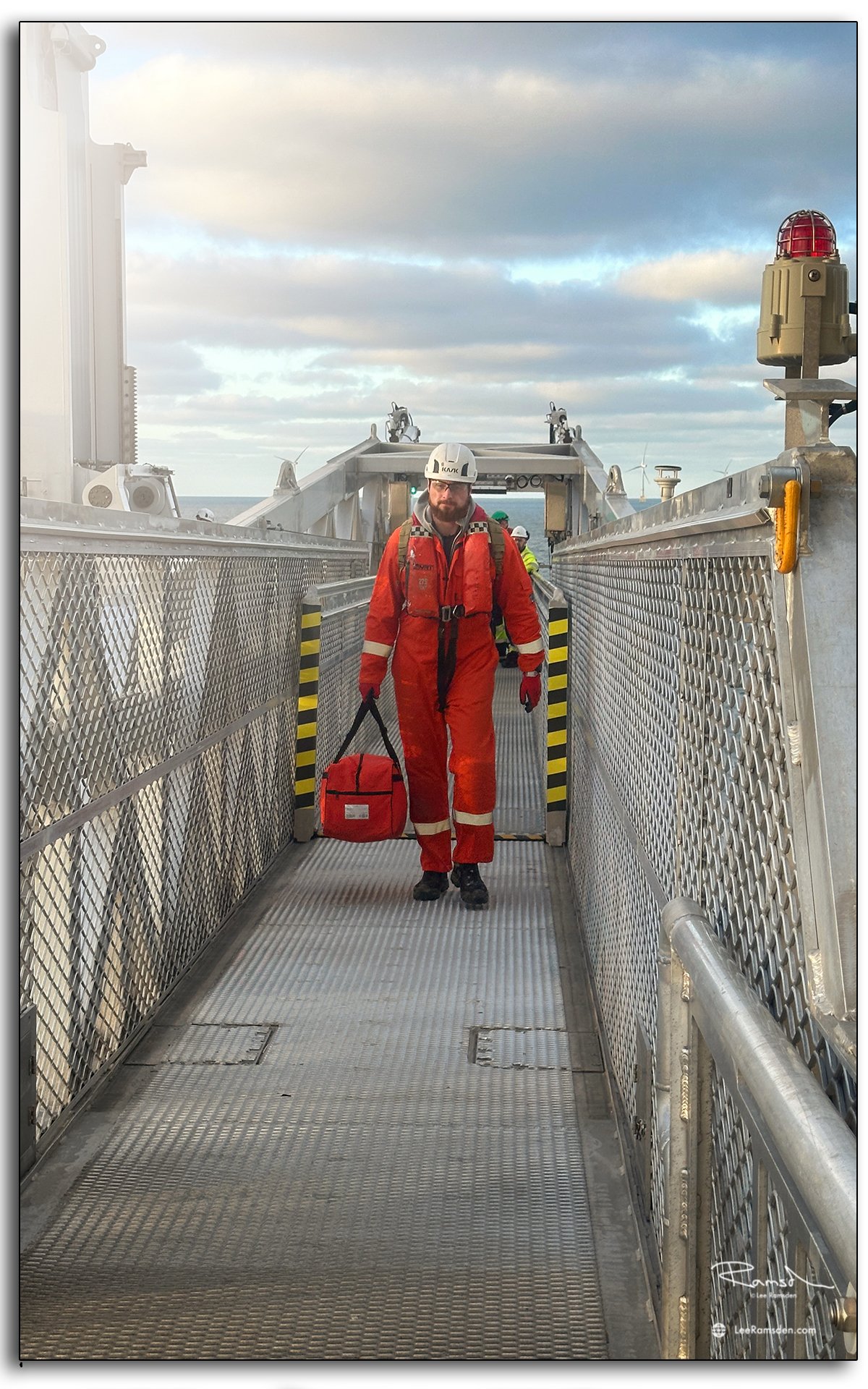
Worker crossing Walk-to-Work bridge at sunrise, with offshore crew waiting behind.

The W2W system is straightforward in purpose: to give workers safe access. These photographs focus less on the structure and more on the people — the steady flow of personnel, kit bags in hand, crossing in both directions. It’s a reminder that offshore operations are built on repetition and reliability, not just engineering.

This series continues my documentation of offshore work and life at sea. For more, visit my Wind Industry and Industrial galleries.

Crew Transfer Vessels in Offshore Wind: Farra Grainne at Work

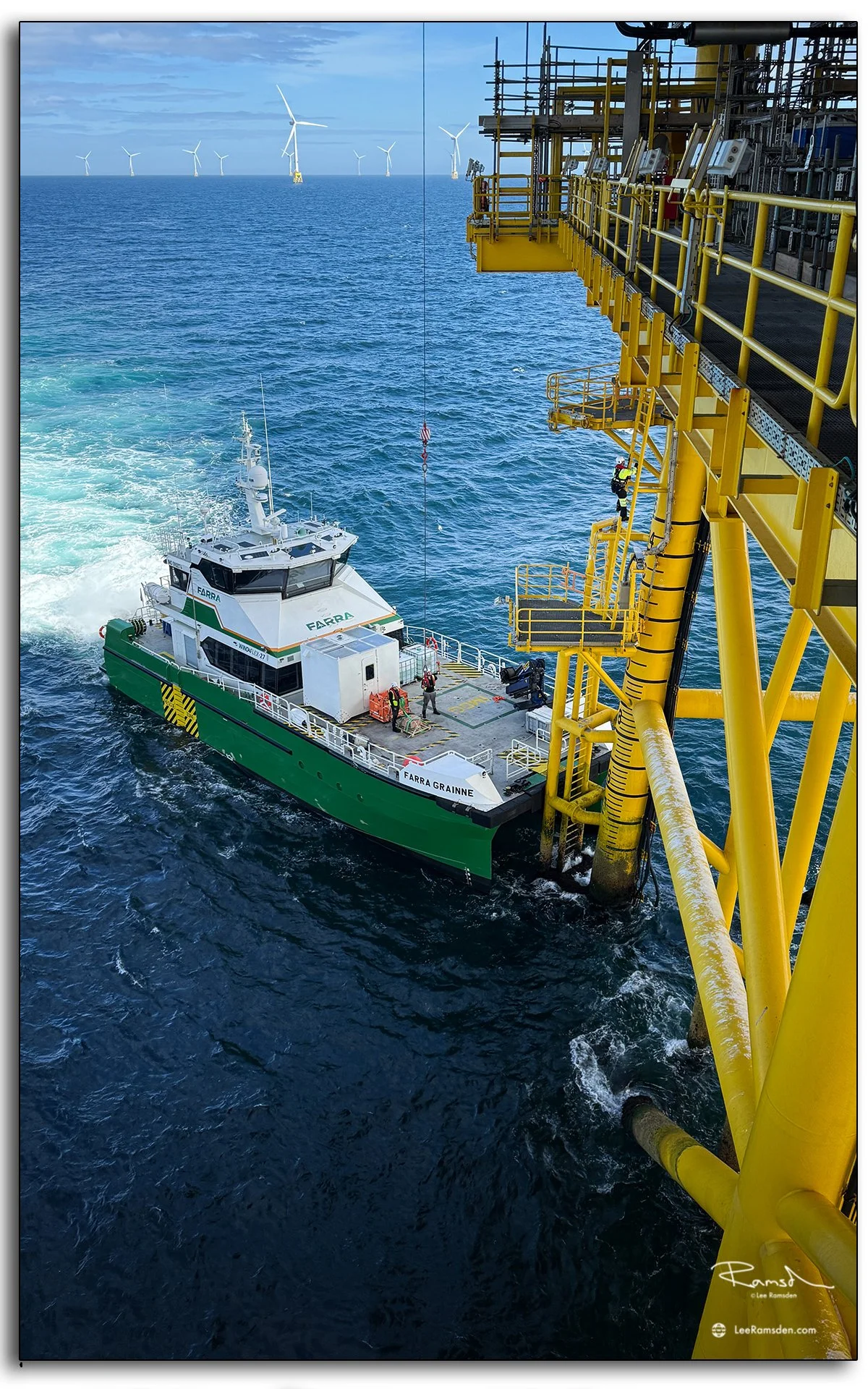
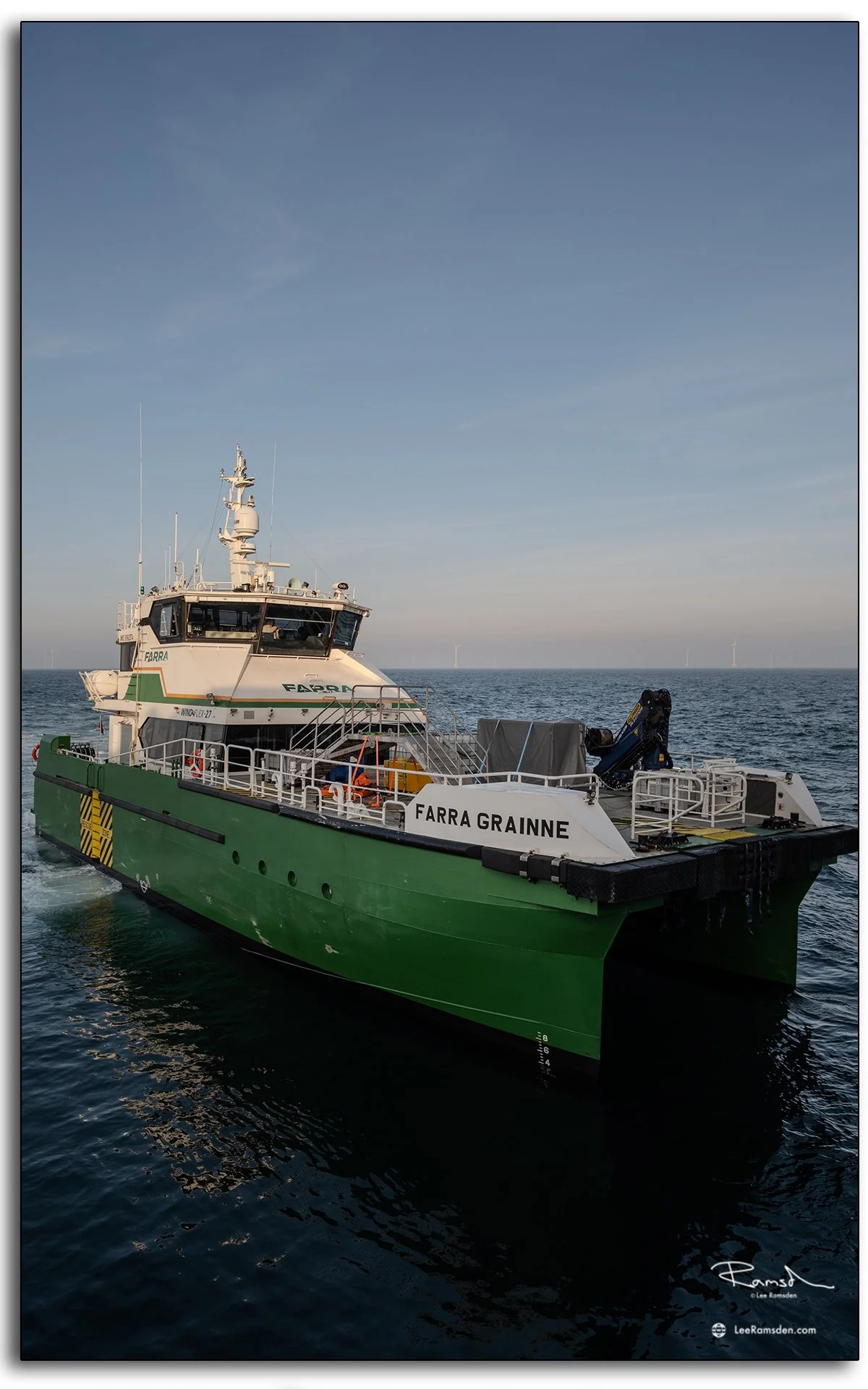
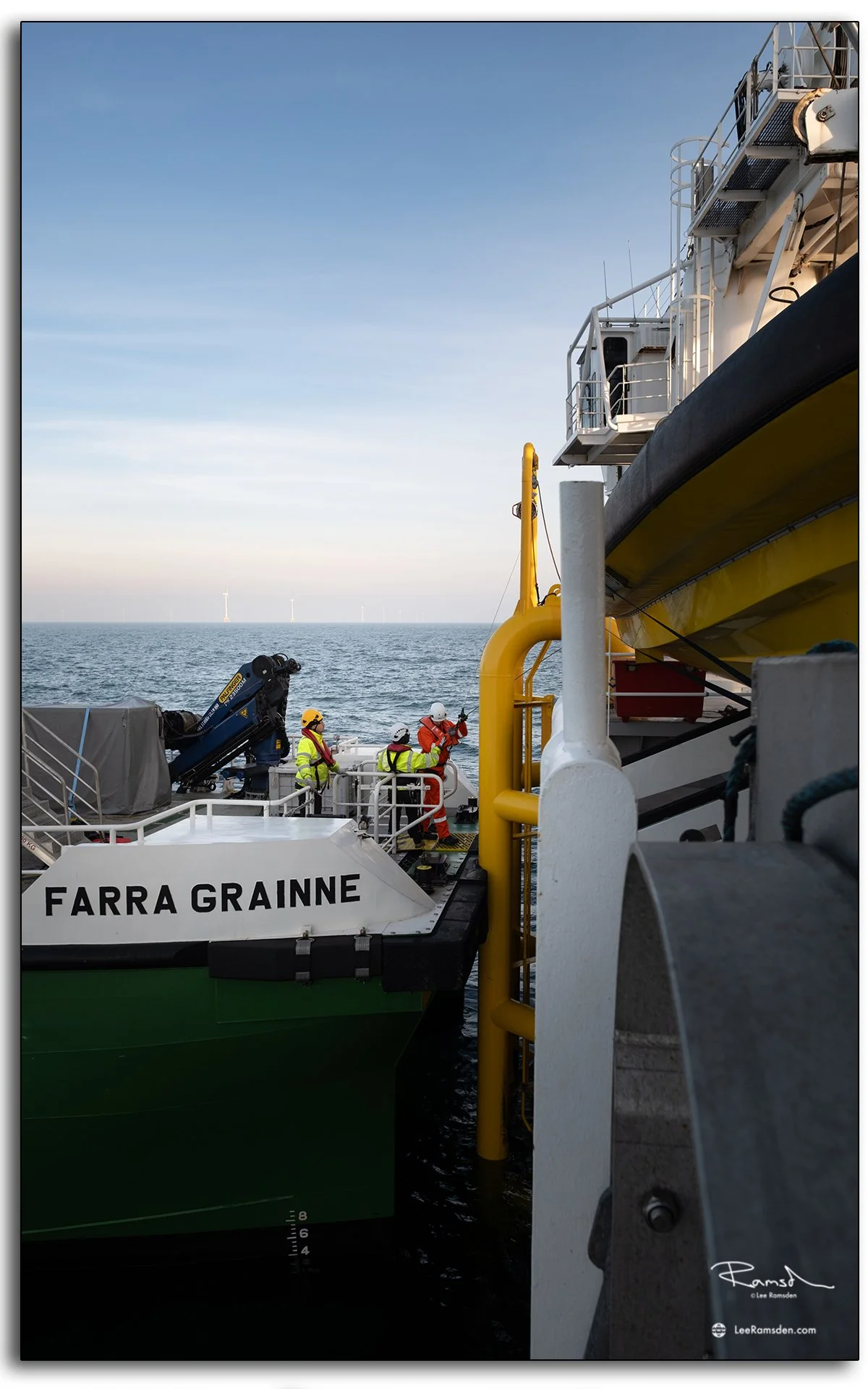
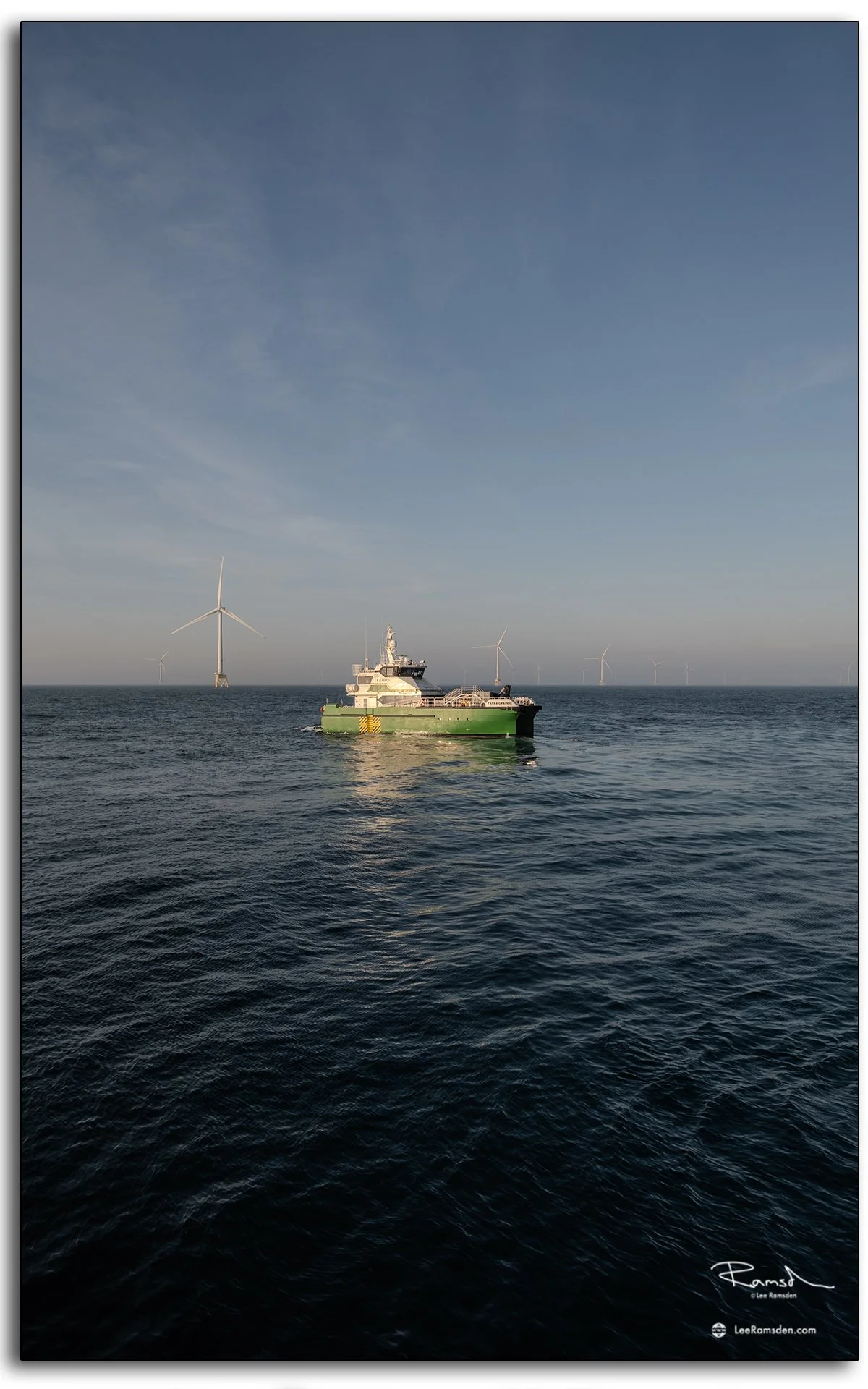
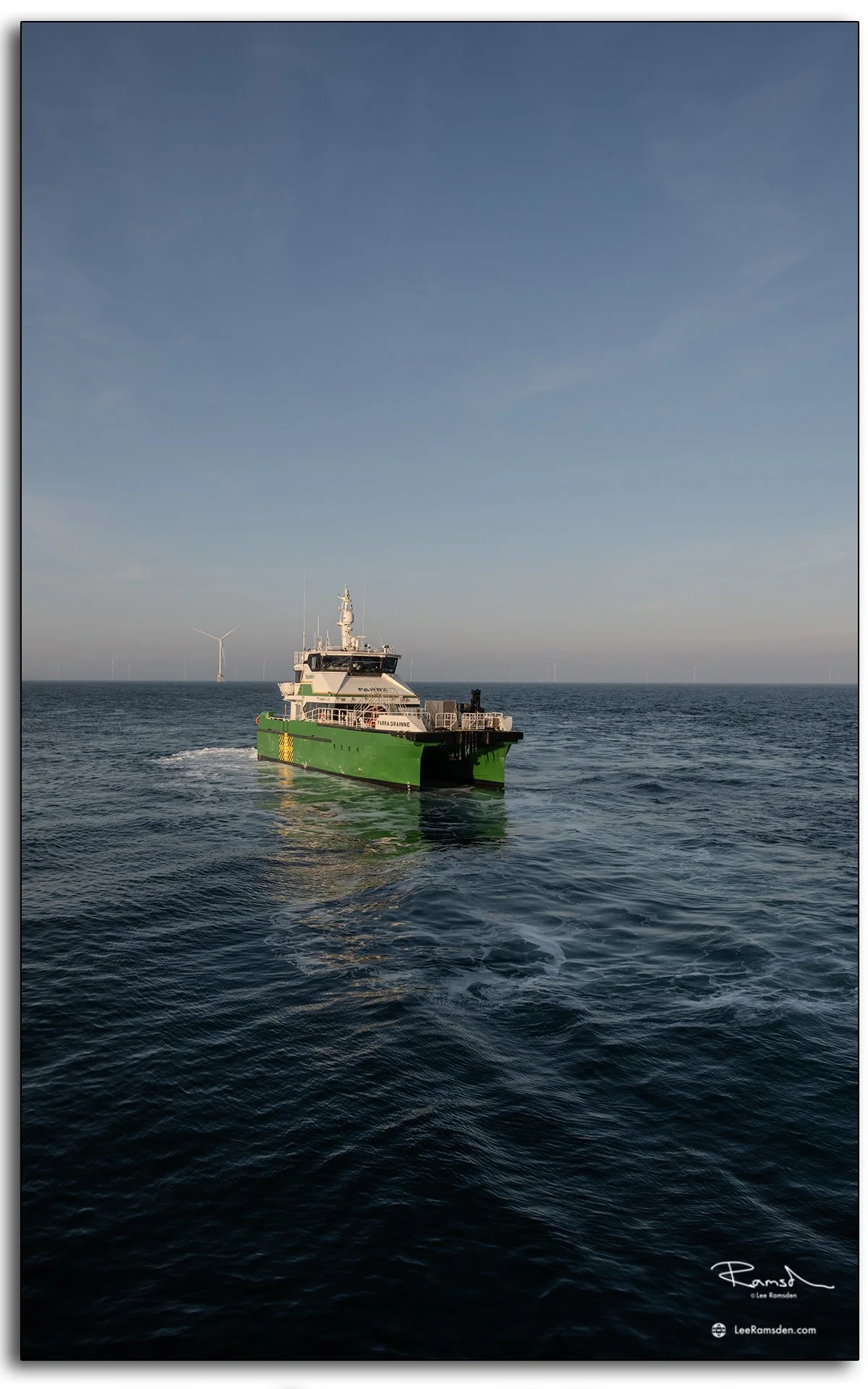
These images focus on the Farra Grainne, a crew transfer vessel working offshore within a wind farm environment. Taken in calm conditions and clear light, they show the vessel in a few different contexts: close alongside, moving away through the field, and positioned next to the structure during transfer operations.

In offshore wind, crew transfer vessels, usually shortened to CTVs, are a core part of daily operations. Their job is to move technicians and small teams between shore or a mothership base and offshore assets such as turbines and substations. They are specifically designed for that role, and in many projects they remain the preferred transfer solution for sites closer to shore. 

The transfer itself is one of the most important parts of the process. Industry guidance from G+ and the Energy Institute is built around the principle that people should not fall into the sea or become trapped between the vessel and the offshore structure during transfer. That is why vessel design, operating procedures, competence and transfer arrangements matter so much. 
It is easy to look at a wind farm and focus only on the turbines, but the day-to-day operation relies on far more than that. CTVs are one of the clearest examples. They are there to move people, equipment and capability around the site, and without them a lot of offshore maintenance simply would not happen in the same way. General guidance on offshore wind service vessels also notes that CTVs are designed specifically to transport service teams and are commonly fitted for transfer work against offshore structures. 

Offshore Substation – The Beating Heart of a Wind Farm

Offshore substation platform illuminated at night, North Sea wind farm.
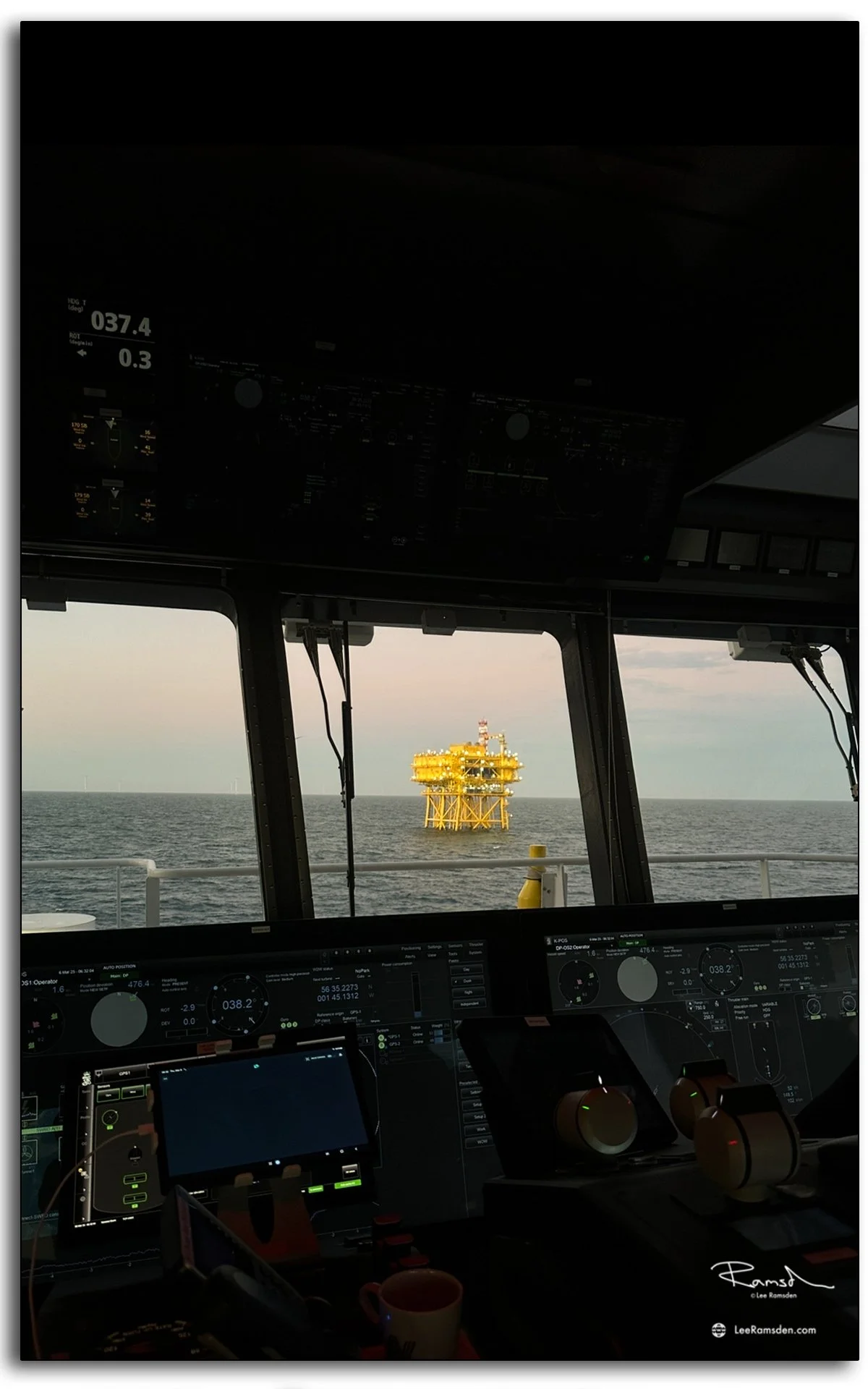
Offshore substation seen from a vessel bridge in the North Sea.

An offshore substation (OSS) is the critical hub of a wind farm, where the power generated offshore is collected and transmitted back to shore. Sitting high above the waves, it is one of the most striking structures in the renewables industry.

From the vessel bridge, the platform is an impressive sight in the distance, glowing gold against the sea at night. These substations not only represent engineering excellence but also play a vital role in the delivery of clean energy across the UK and beyond.

Exploring and photographing offshore substations is always a privilege—capturing them from both the technical working perspective and as powerful silhouettes on the horizon.

The offshore industry is full of dramatic structures and scenes, from turbines to substations. You can explore more of my work in the Wind Industry portfolio, as well as my wider Industrial and Places collections.

Vessel Operations Offshore

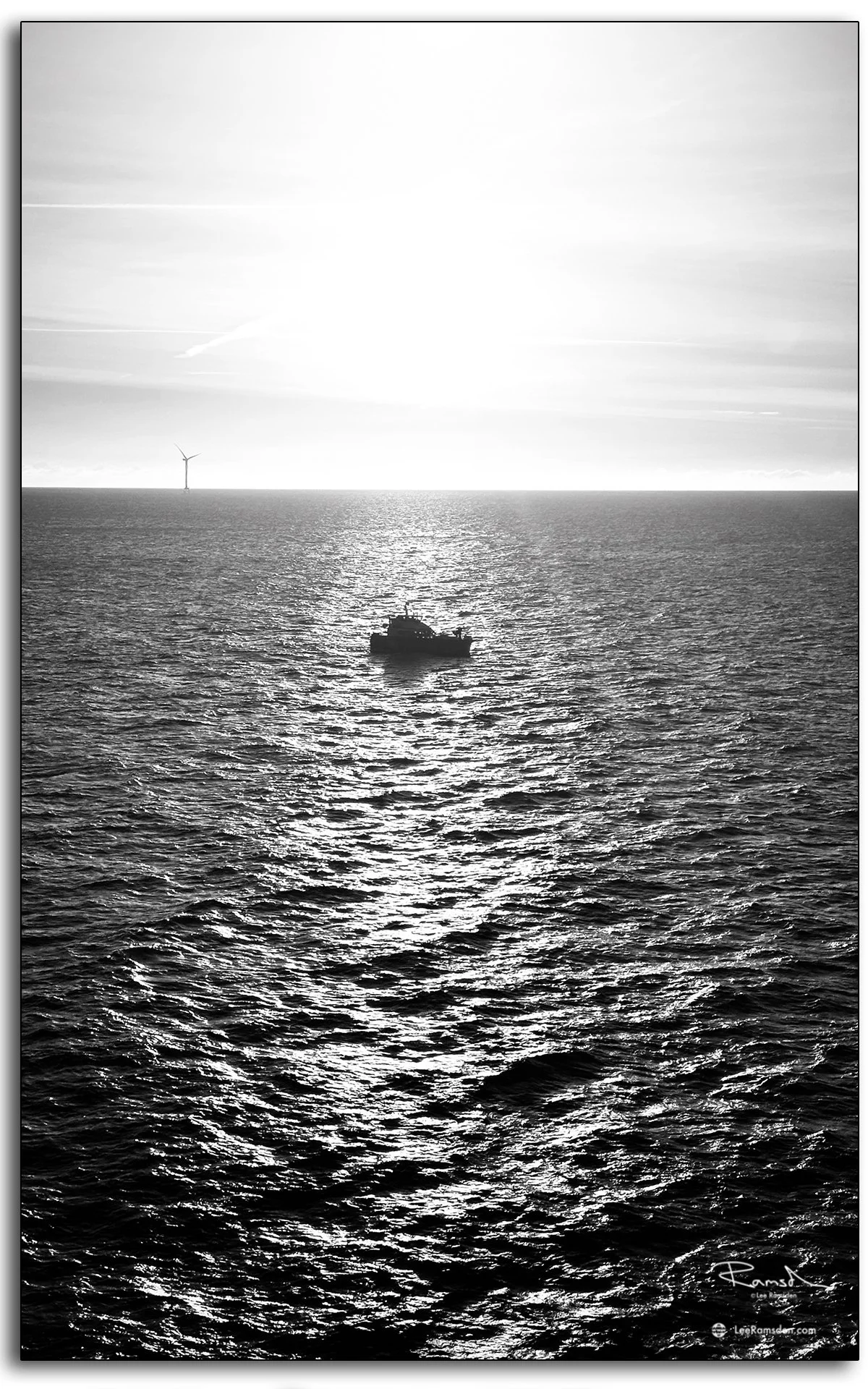
Out in the North Sea, the Norwind Storm support vessel takes up position beneath the setting sun — a steady presence against the rolling water and the turbine structures beyond.

These images show the vessel in its working context, sitting alongside the wind farm and substation, with the horizon fading into haze. The black and white treatment suits the industrial scale of the scene, stripping away colour to leave structure, light and movement.

Service operations vessels are a core part of offshore wind O&M. They provide accommodation and logistical support for technicians working on turbines and substations, often remaining on site for extended periods during maintenance campaigns.

This series adds to my Wind Industry collection, alongside wider work across Industrial and Places photography.

Offshore workers portraits.

Offshore Workers Portraits

These portraits were taken on a North Sea asset during an offshore wind operation. Shot in the working environment, they focus on the people behind the project rather than the infrastructure around them.

Offshore portraiture is a different discipline to studio or event work. The subjects are working professionals in a demanding environment, and the images need to reflect that — direct, unposed where possible, and honest about the conditions. There's little room for elaborate setups on a vessel or platform deck, which tends to produce portraits that feel more genuine for it.

The offshore wind industry employs thousands of people in specialist roles — technicians, rope access workers, supervisors, marine crew, and support staff — many of whom spend weeks at a time on rotation. These images are a small record of that working life, shot as part of a wider documentation of North Sea operations.

For more work from offshore wind projects, visit the Wind Industry gallery.

Offshore workers.

On an offshore wind farm substation, the real story is the people who keep the asset running. This set focuses on routine tasks, safe systems of work, and the teamwork that holds everything together. The aim is simple: clear, direct portraits of workers on the job—no fuss, just the work and the environment.

Two offshore workers on a substation walkway discussing a task beside marked safety barriers.
Offshore wind technician standing by substation equipment on deck, radio clipped to harness.

Part of my ongoing industrial and renewables series. For more, see the renewables and industrial sections of my portfolio.

IJmuiden, Seaport Beach — Drone Photography, Netherlands

Golden hour drone image of IJmuiden seaport beach, sunset reflections on wet sand and silhouettes of breakwaters.

Golden hour over IJmuiden’s seaport beach gives light a rare softness — when metal, sand, and sea all respond with reflection. These drone shots capture that brief moment when the elements line up at the edge of sunset.

Port cranes and shipping structures glowing under sunset light at IJmuiden, capturing industrial silhouette.

Flying over the beach and port area, I watched how the light changes the textures — wet sand mirrors sky, breakwaters cast long silhouettes, shipping containers and cranes glow faintly in warm tones. Each image is about contrast: structure against horizon; calm water against the industrial edges of the seaport. Golden hour makes everything more dramatic without forcing it.

Beach shoreline and port infrastructure at IJmuiden, Netherlands, seen from above with calm water and warm sky.
Combination of natural and industrial in IJmuiden: sand, sea walls and warm sunset light at seaport edge.

These images are part of my ongoing exploration of shorelines and port environments. For more coastal and industrial drone work, see my Drone and Wind Industry galleries.

GWO course renewals.

Good morning, today id like to share some images of recent courses attended.

Those who work in the renewables industry will feel my pain for attending the GWO renewal courses….again

The courses consist of -

  • Sea Survival

  • First Aid

  • Working at height

  • Manual handling

  • Fire fighting

These certificates are only valid for 2 years and have to be kept up to date whilst working offshore in the renewables industry.

Fog creeping in.

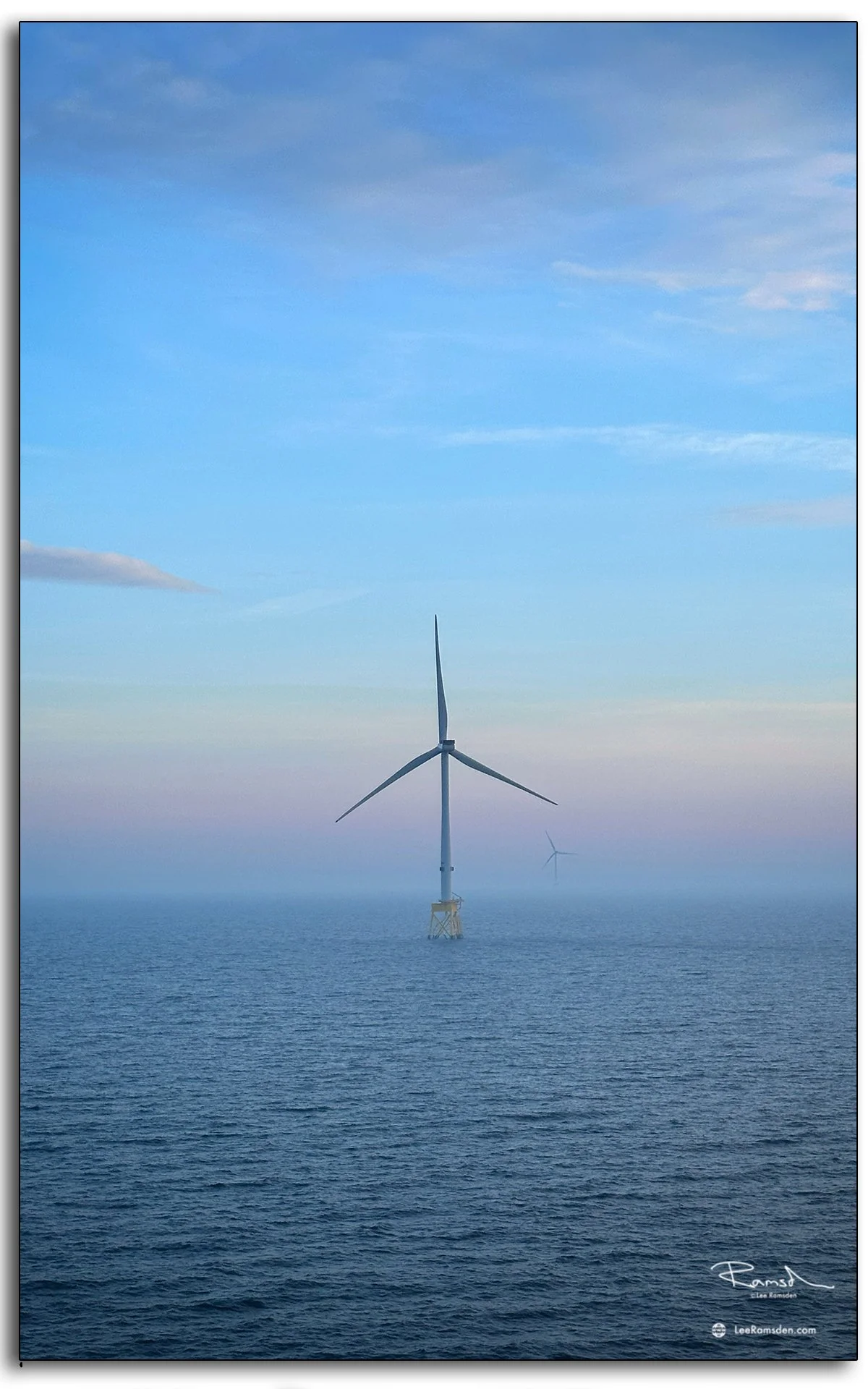
Hello, here are some images of the fog slowly creeping in, over the windfarm.

The fog approaches like a soft whisper, gradually swallowing the horizon. The wind turbines, once clear and imposing, begin to fade into the mist, their outlines becoming ghostly silhouettes

The Edda Brint, SOV (service operations vessel) adjacent to our substation.

Housing 60 persons, the 60 PAX will be made up with the ships crew and technicians who are servicing the turbines.

The Wind Cat CTV (crew transfer vessel) This vessel is our daily transport to and from shore.

As the fog thickens, the turbines seem to float in mid-air, their blades slicing through the mist with a gentle, rhythmic motion. This ethereal scene creates a stark contrast between the solid structures and the ephemeral fog.

Have you captured the beauty of fog in your photography? Share your images and comments over on Instagram @lee_ramsden

Thanks

Lee

Adventure training... or work?

Good morning,

Here are some images of guy conducting specialist rope access, to inspect and repair the coating to an offshore sub station in the North Sea.

Would you enjoy this type of work? Love to hear your thoughts over on Instagram @lee_ramsden

Thanks,

Lee

A ship with legs.

Good morning.

Images of the Wind Orca with a walk to work bridge.

The Wind Orca vessel provides a safe, efficient, and reliable solution for the installation, maintenance, and decommissioning of wind farm projects. Their advanced specifications set the industry benchmark for vessel transit speed, lifting capability, DP station keeping and jacking speed, offering a significantly improved operating weather window. They are fitted with high-quality equipment, supported by advanced preventative maintenance systems, and incorporate a significant level of operating redundancy. Safety is enhanced through a 6-leg design that allows them to operate even on sites with the most challenging seabed conditions.

Let me know what you think of these recent posts I love to hear from you on Instagram @lee_ramsden

Thanks

Lee