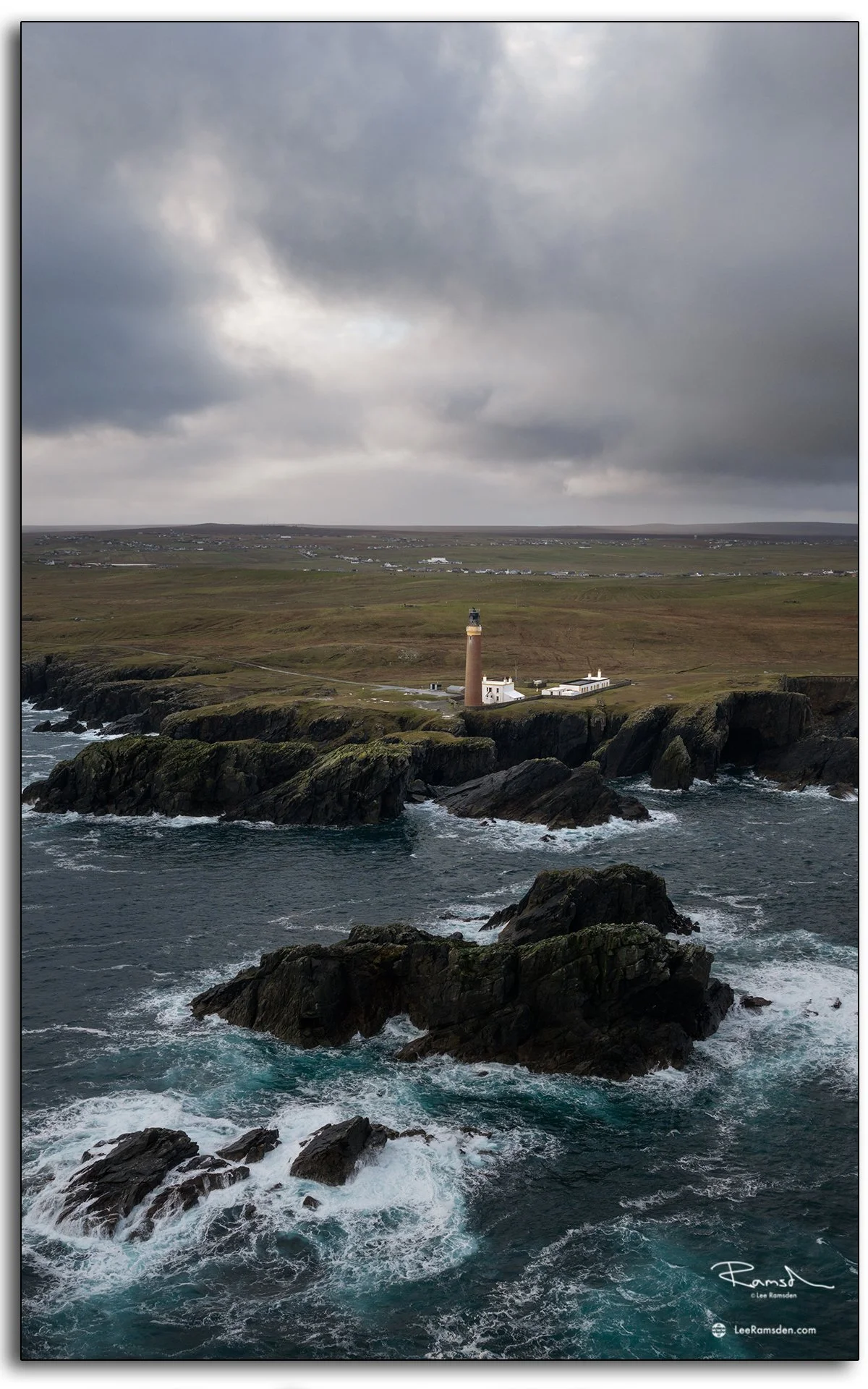
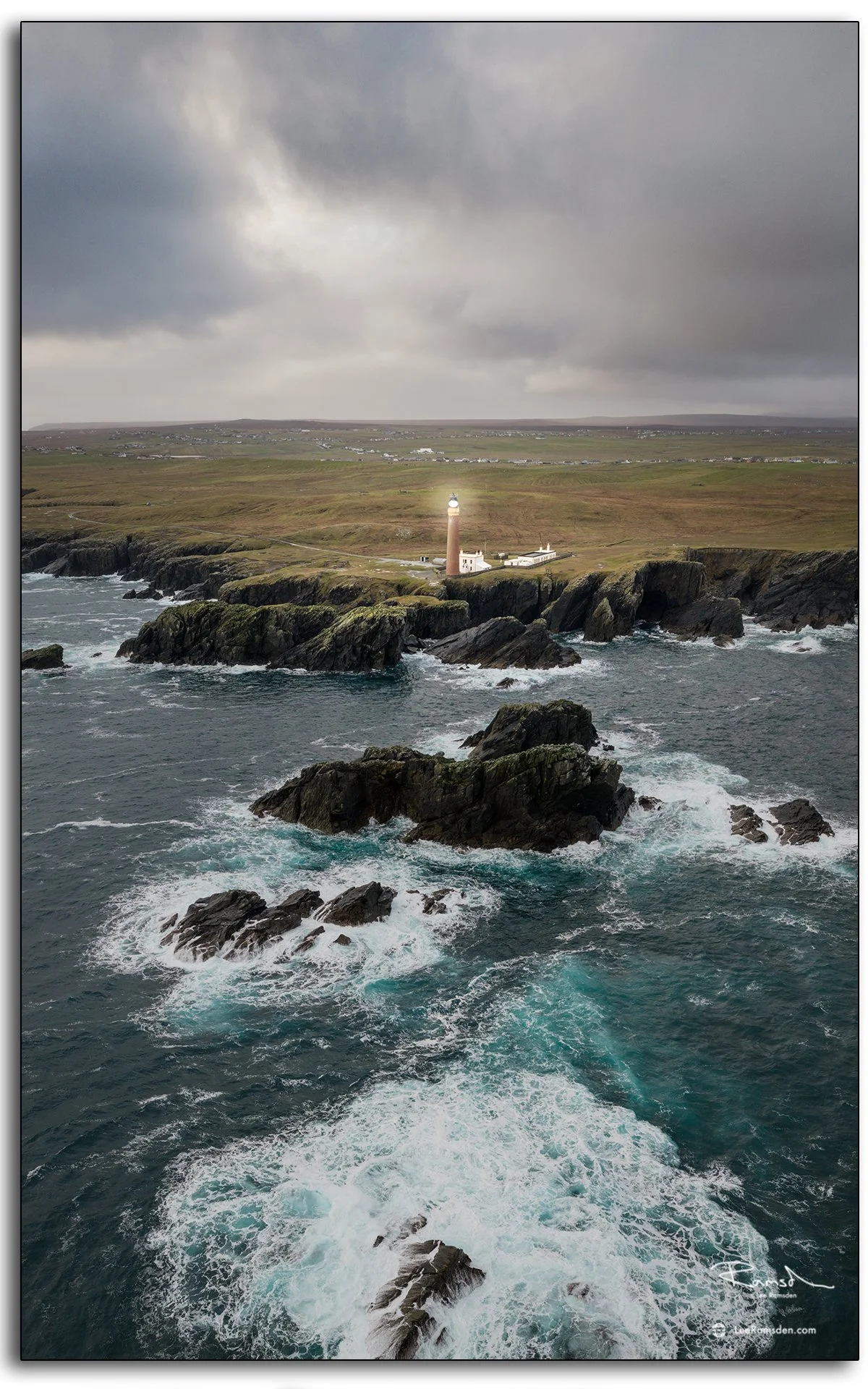
The Butt of Lewis Lighthouse marks the very northern tip of the Outer Hebrides — officially one of the windiest spots in the UK. It was built in 1862 by David Stevenson, part of the famous family of lighthouse engineers, using local red brick from Runcorn. The design has stood up to more than a century and a half of brutal Atlantic weather — a proper testament to Scottish engineering.
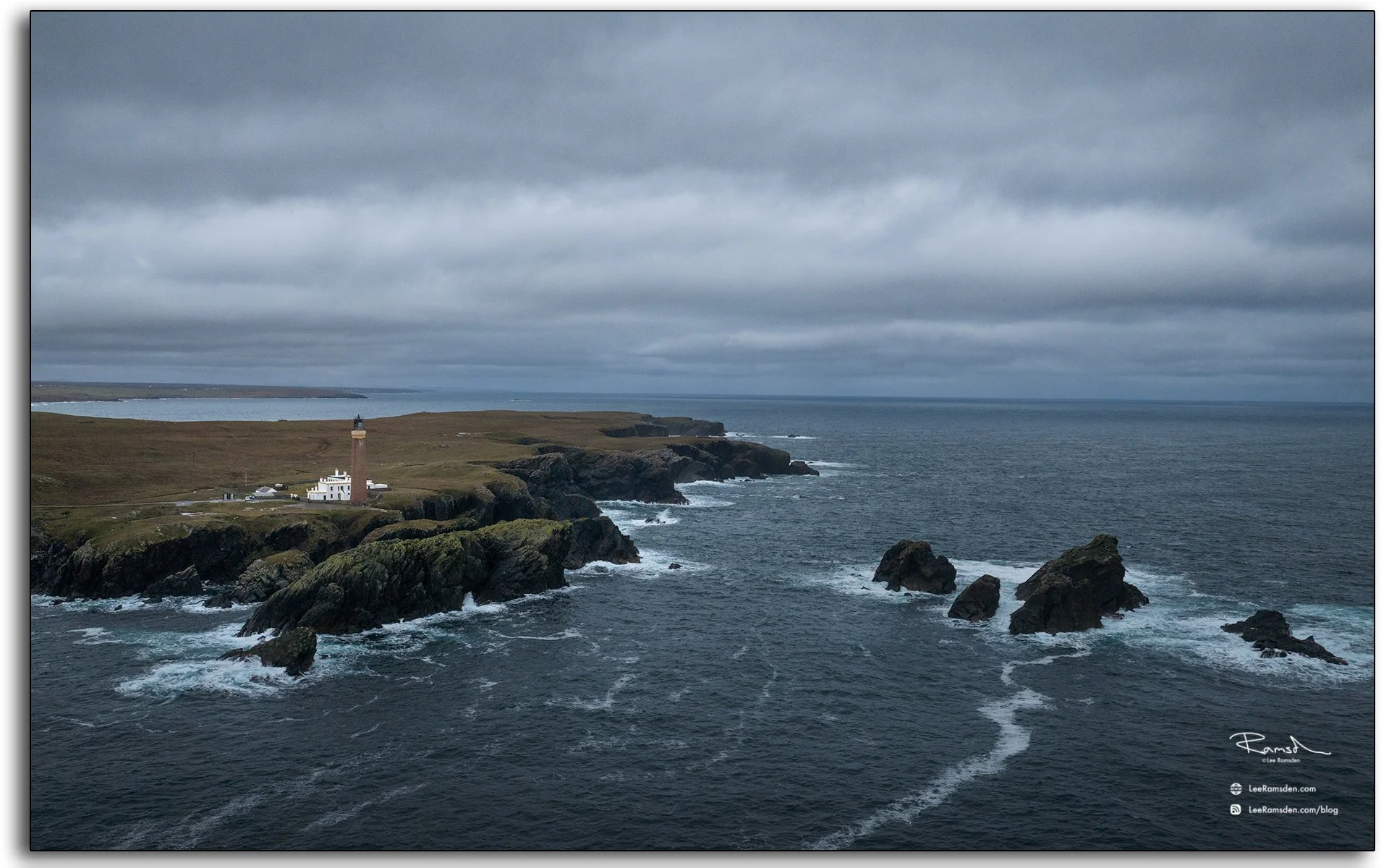
The lighthouse stands 121 feet tall and guards the point where the Atlantic Ocean meets the Minch. Its beam still cuts through the dark nights, warning passing vessels of the rugged coastline that’s claimed many ships over the years.
Just south of the lighthouse, the cliffs are dramatic — sheer drops, sea stacks, and the kind of coastal views that make you feel very small. We parked the van overlooking the waves for the night. The wind was relentless, but waking up there, with the surf hammering the rocks below, was worth every shudder of the camper.
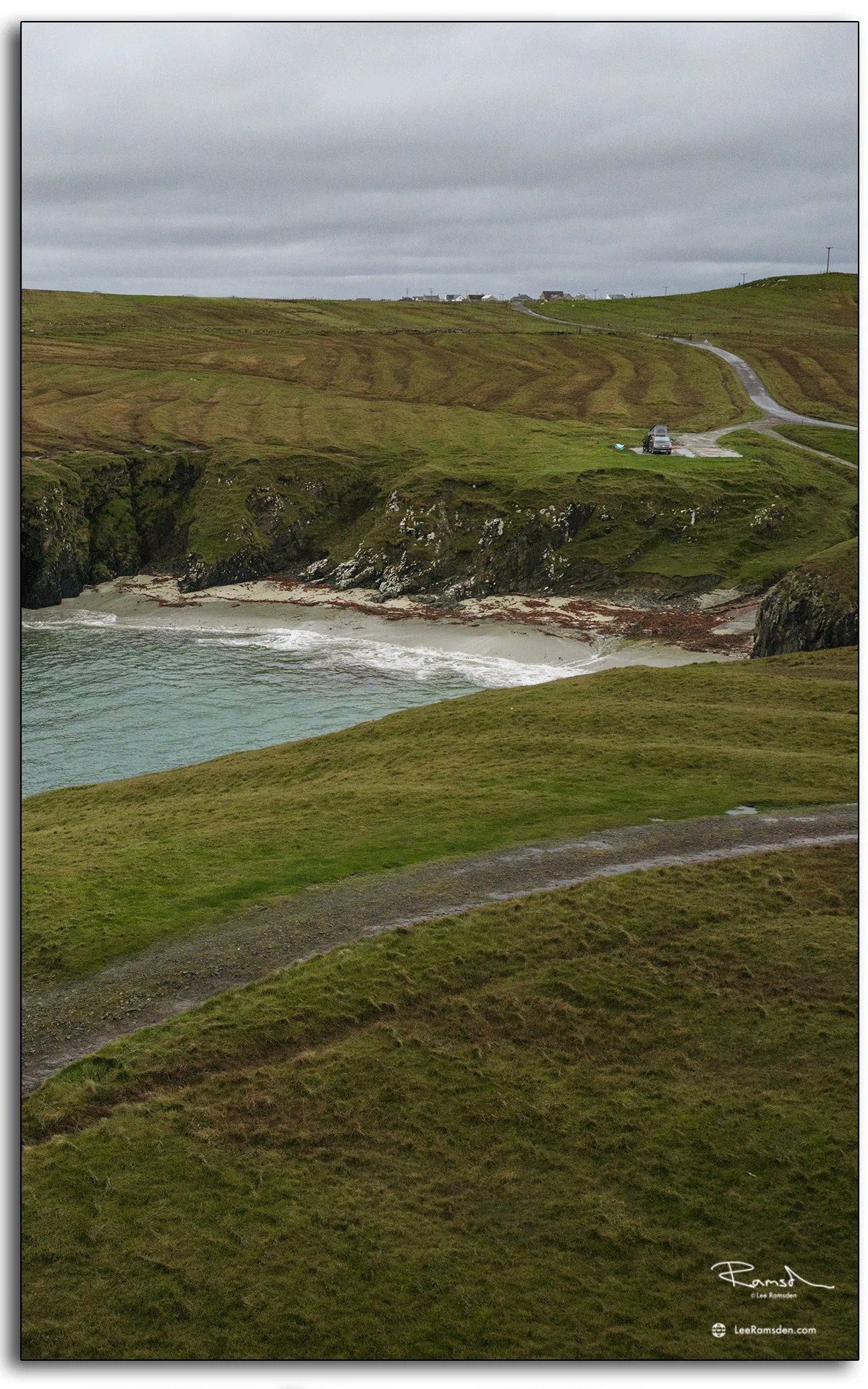
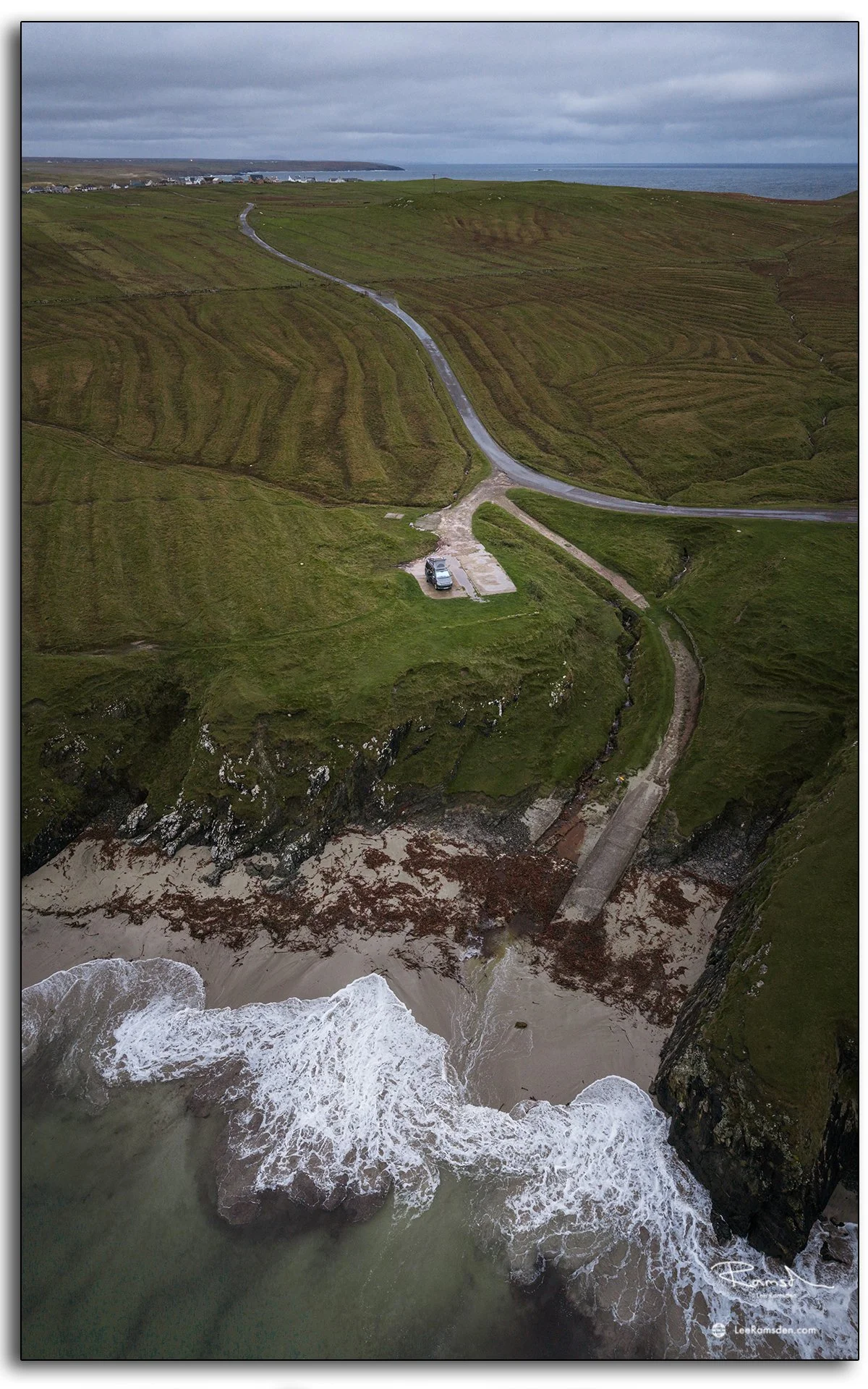
It’s easy to forget, looking at this remote headland, how vital places like this once were — guiding mariners through fog and storm before GPS or radar existed. The Butt of Lewis still feels like a working part of the coastline’s history.
From ancient standing stones to lighthouses that still face down the North Atlantic, the Outer Hebrides hold layers of human endurance.
See more coastal and maritime photography in my Wind Industry and Places collections.