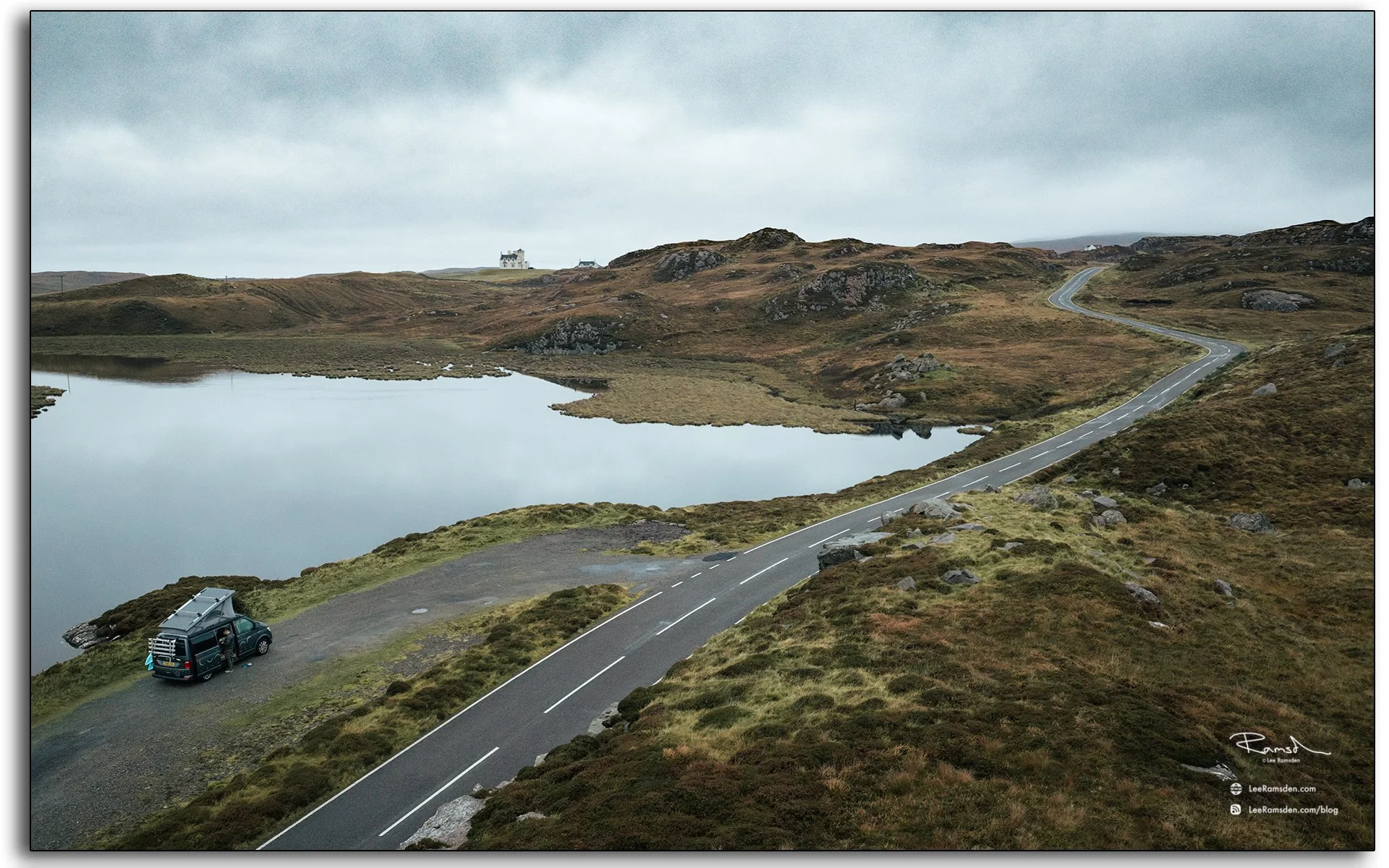
Outer Hebrides

Callanish Standing Stones – Isle of Lewis

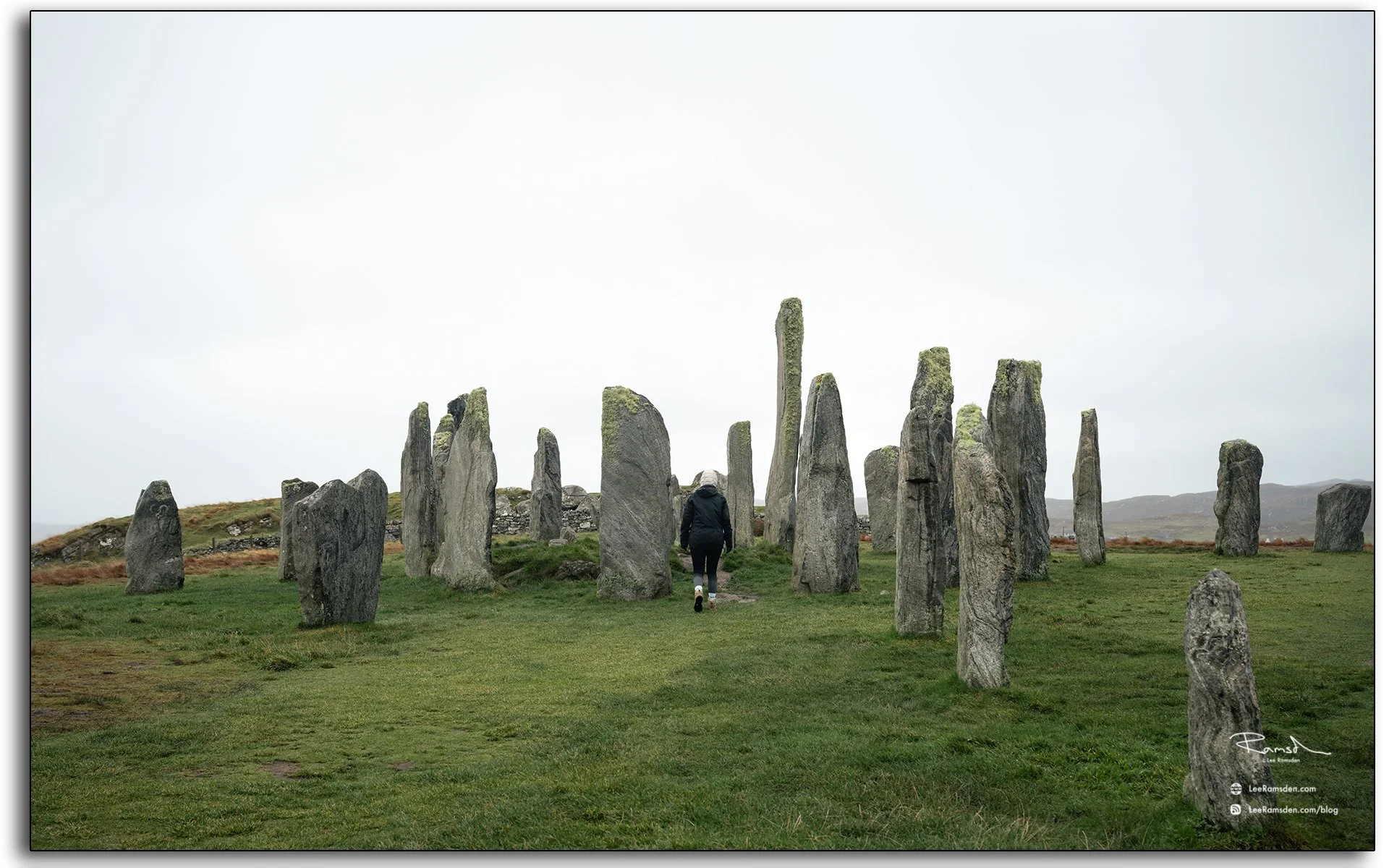
Person walking among the ancient Callanish Standing Stones on the Isle of Lewis, Scotland, surrounded by misty skies and rugged moorland

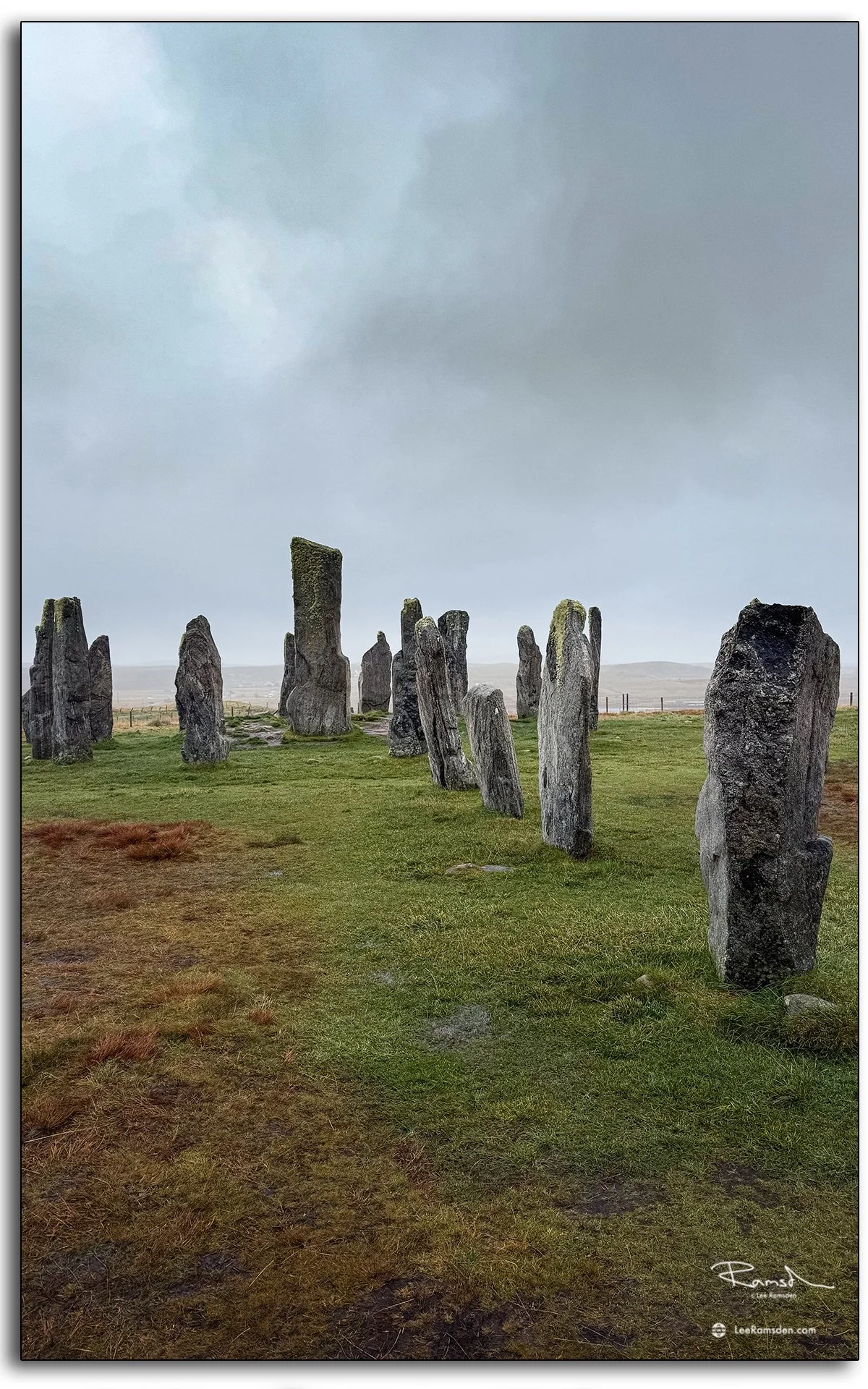
The Callanish Standing Stones are one of the most remarkable prehistoric sites in Scotland — older even than Stonehenge. They date back to around 2900 BC, standing on a ridge above Loch Roag on the Isle of Lewis, exposed to wind and rain.
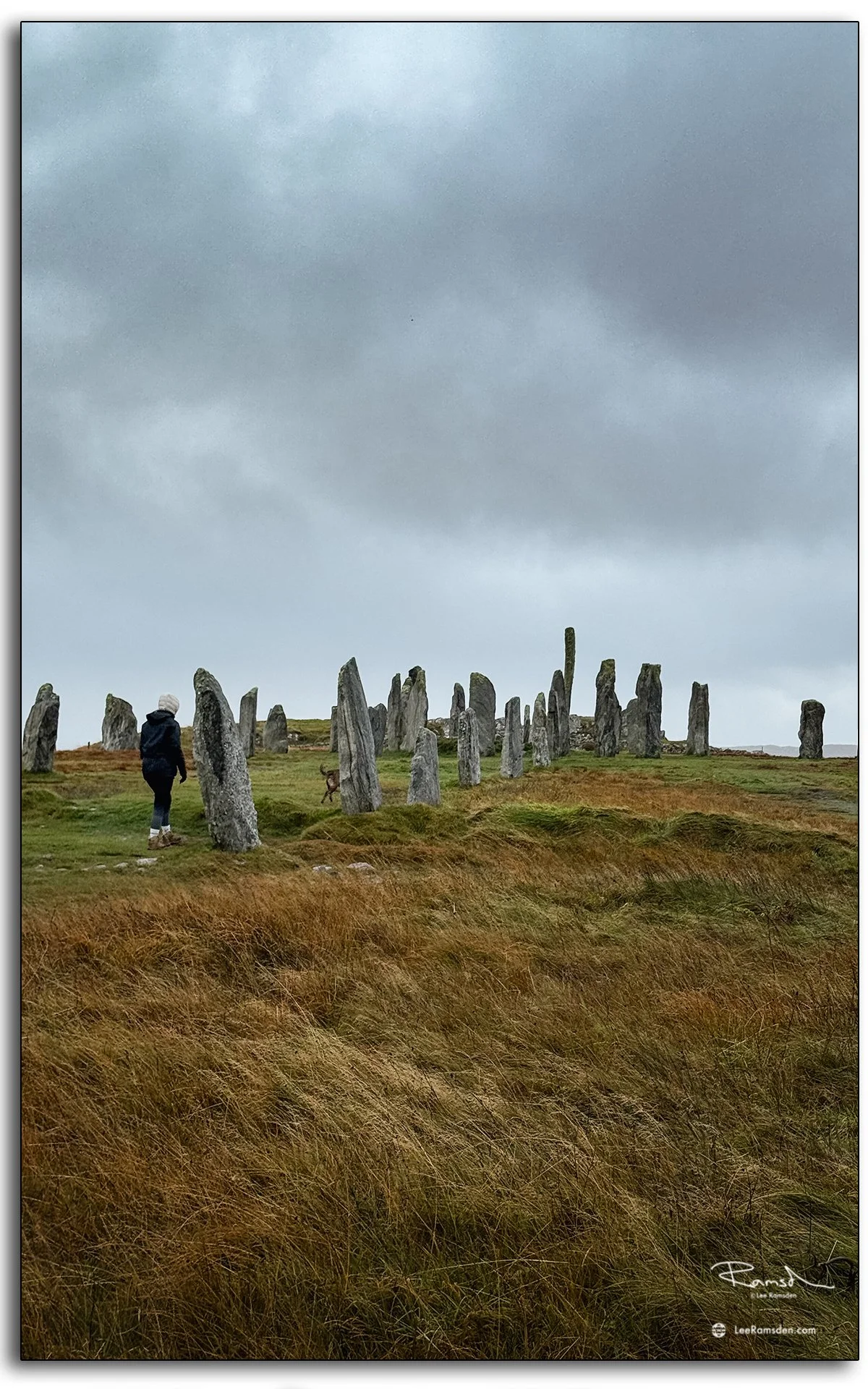
Person walking among the ancient Callanish Standing Stones on the Isle of Lewis, Scotland, surrounded by misty skies and rugged moorland

The layout forms a cruciform pattern with a central stone circle — thought to have been used for ritual or astronomical purposes. Some researchers believe the stones align with the moon’s movements, marking key lunar cycles every 18.6 years. Whether or not that’s true, it’s clear they were built with purpose and precision.

Standing among them, you feel the weight of thousands of years. The stones have watched everything: weather, people, beliefs — and yet they remain. There’s no visitor centre soundtrack or polished interpretation needed. Just the sound of the wind and the thought that this place was already ancient when the pyramids were young.

From the blackhouses of Lewis to the Callanish stones, history on these islands isn’t locked away — it’s standing right there in the landscape.

See more from across the Outer Hebrides in my Places collection.

The Blackhouses of the Outer Hebrides

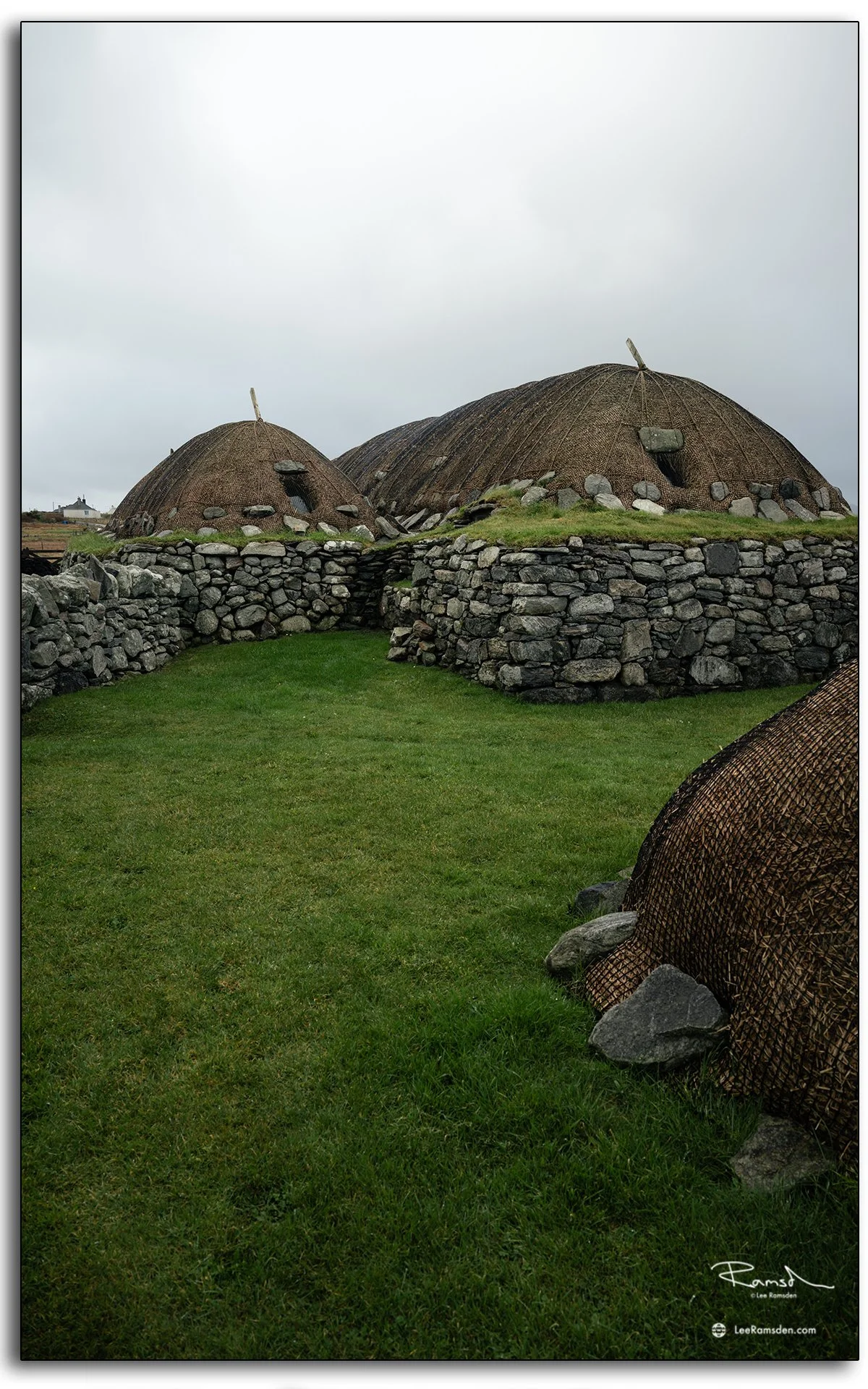
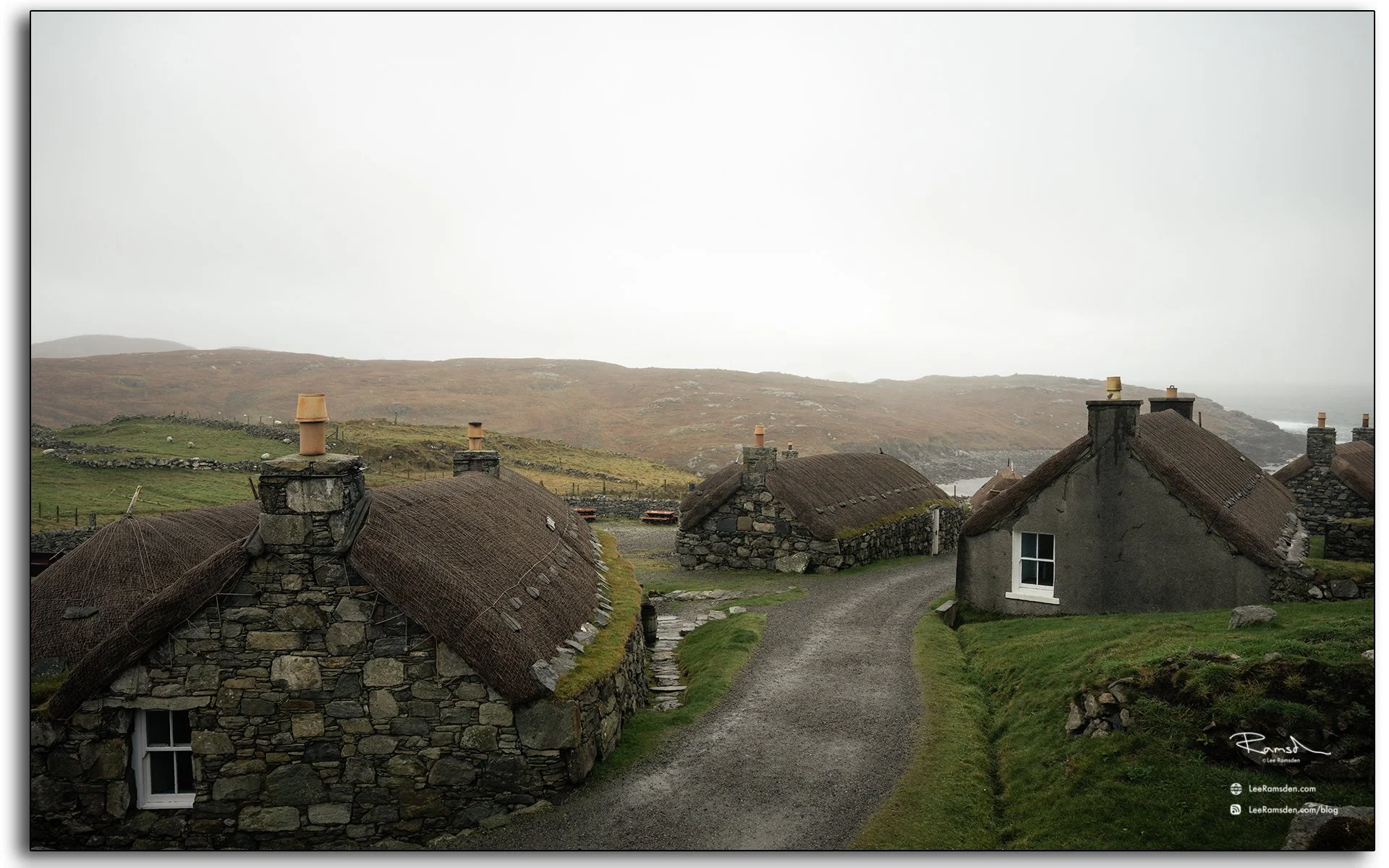
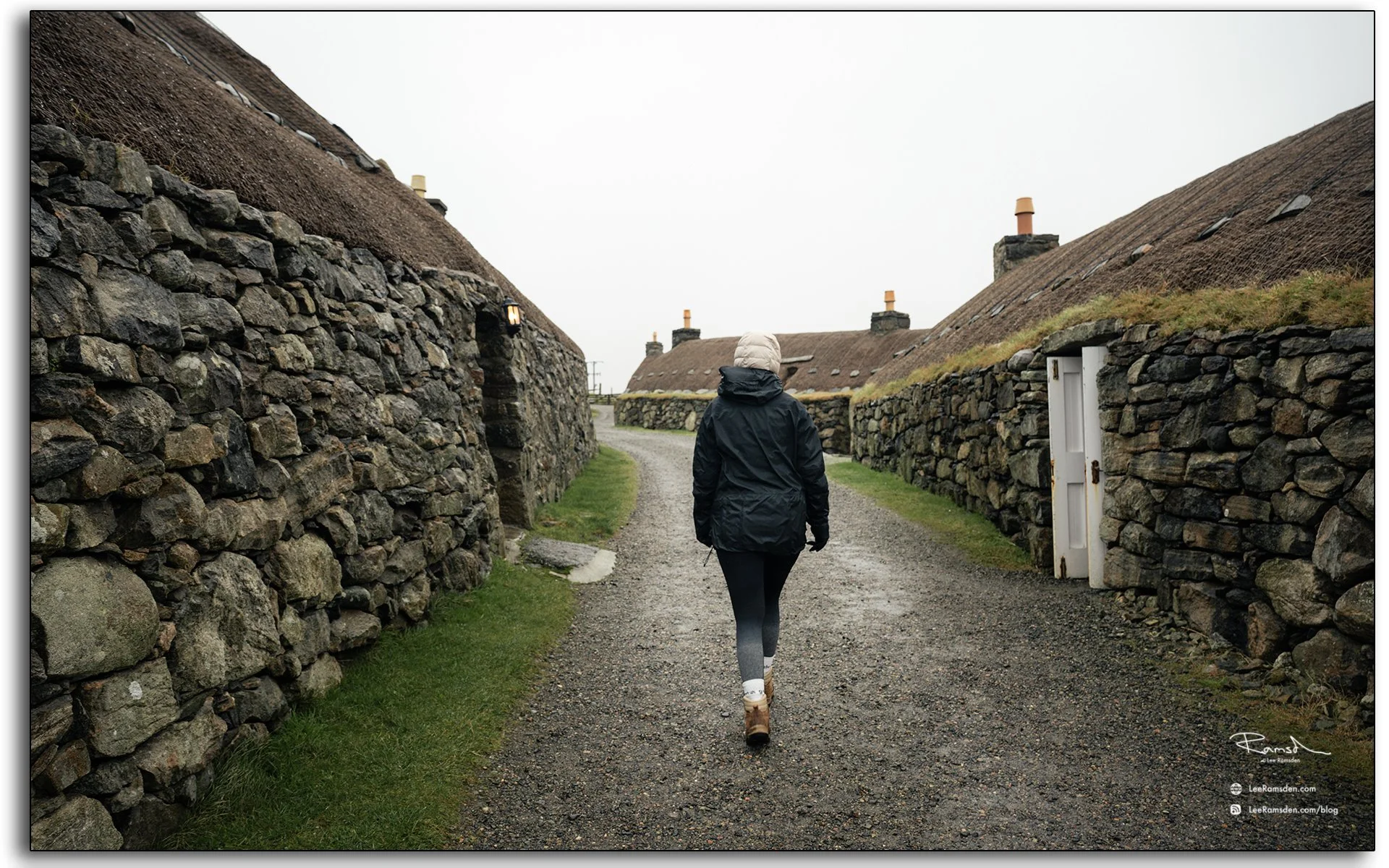
Traditional stone and thatch blackhouses at Gearrannan on the Isle of Lewis, Scotland, showing restored crofting homes surrounded by green grass and moody skies

The blackhouses are among the most striking parts of Hebridean history — not because they’re grand or decorative, but because they’re built from necessity and endurance.

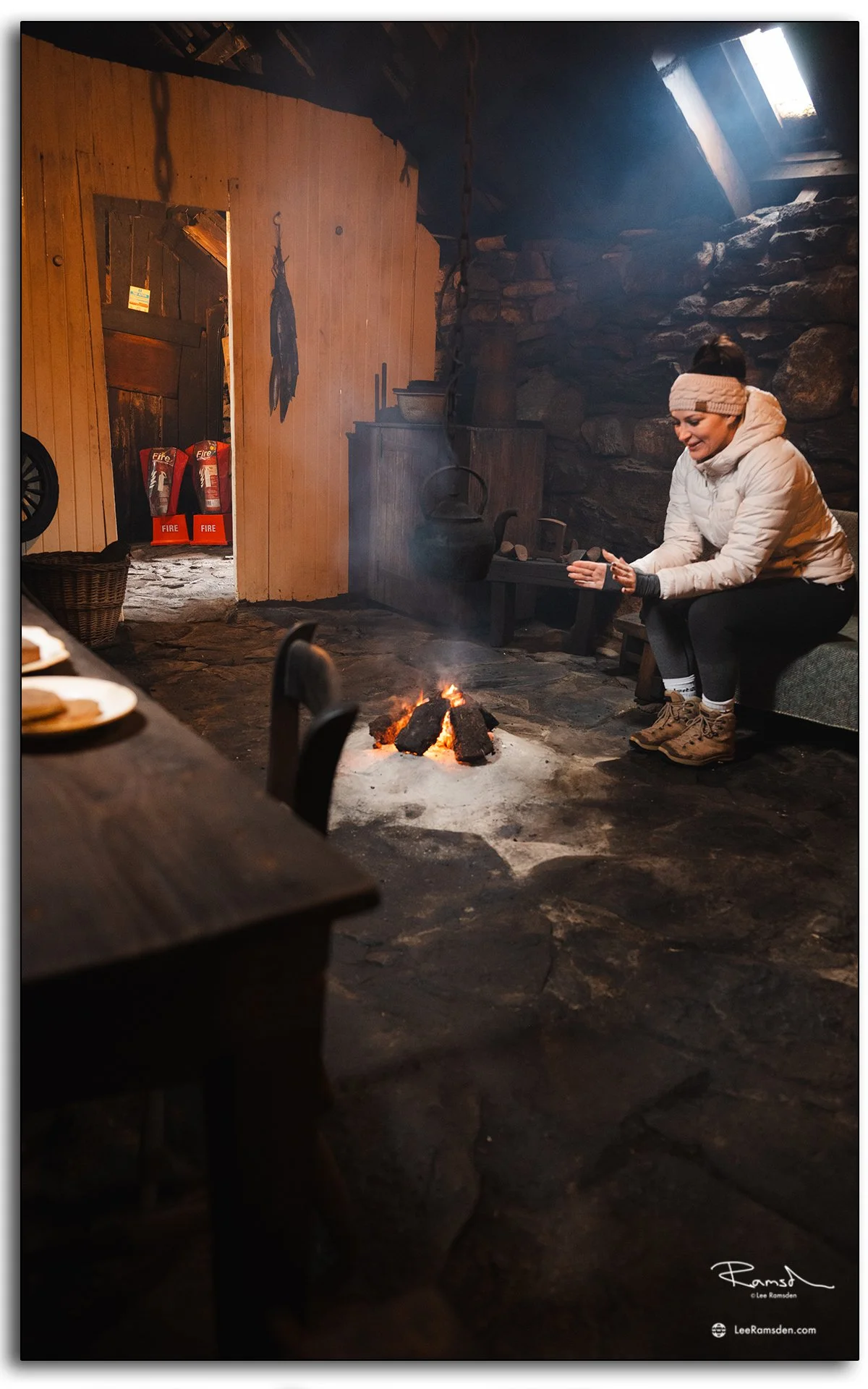
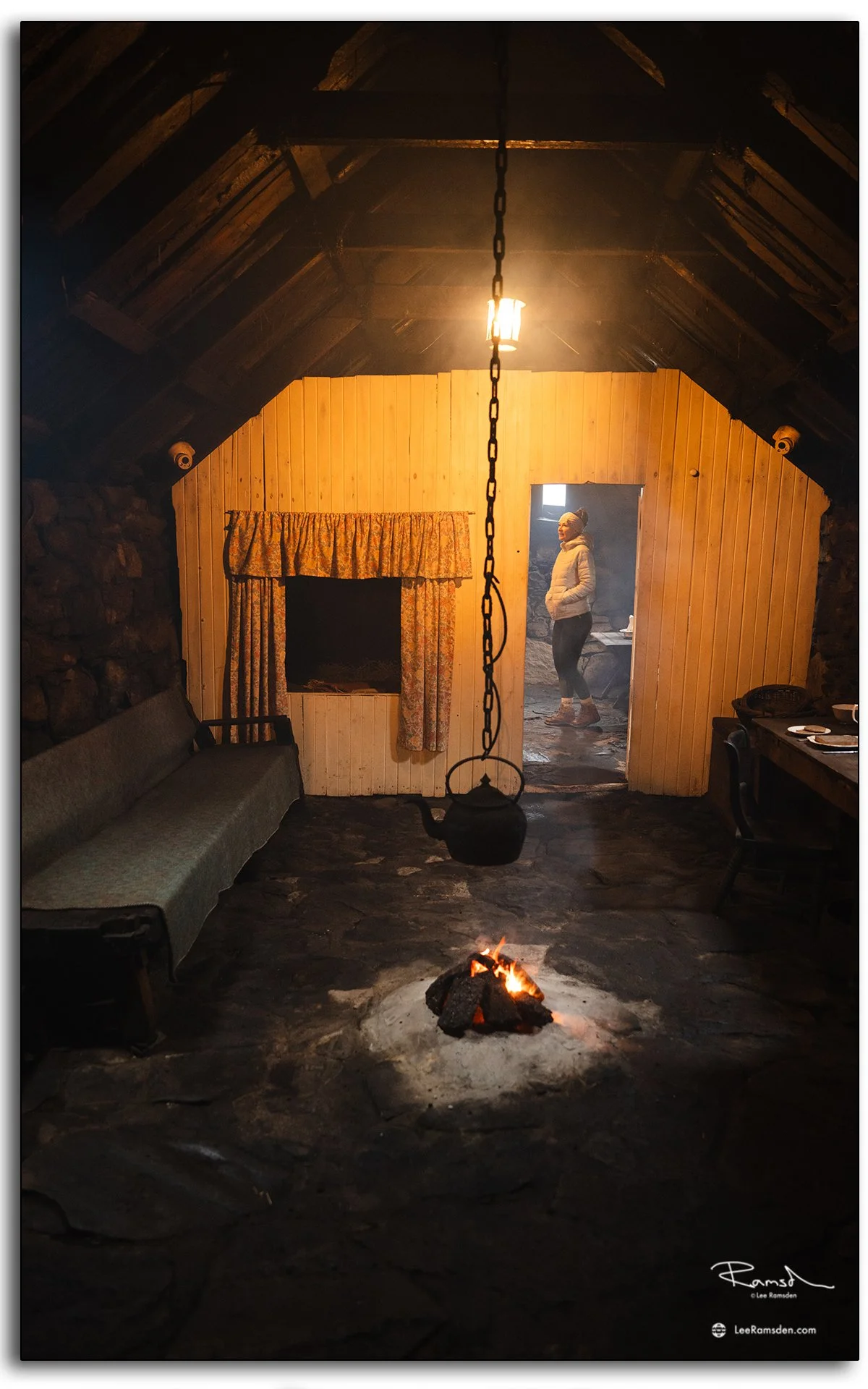
Interior of a traditional blackhouse at Gearrannan on the Isle of Lewis, Scotland, showing an open fire, hanging kettle, and rustic stone-and-wood construction

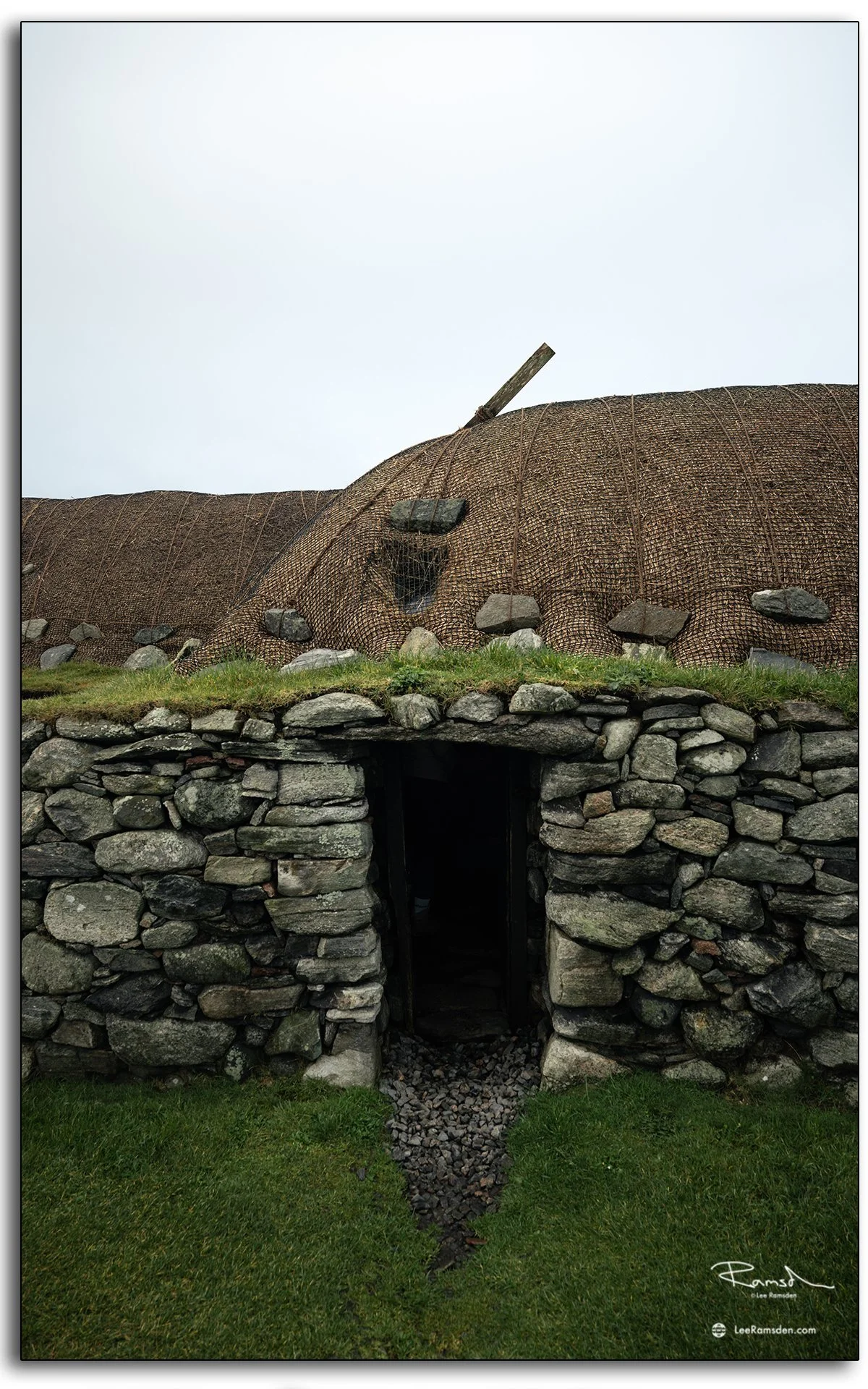
Constructed from stone, turf, and timber, these dwellings were designed to withstand Atlantic weather and make the most of limited materials. Smoke from the central hearth filled the house before escaping through the thatch, helping to preserve it from the elements. Cattle often shared the space with the family, separated by a low wall — warmth was a shared resource.

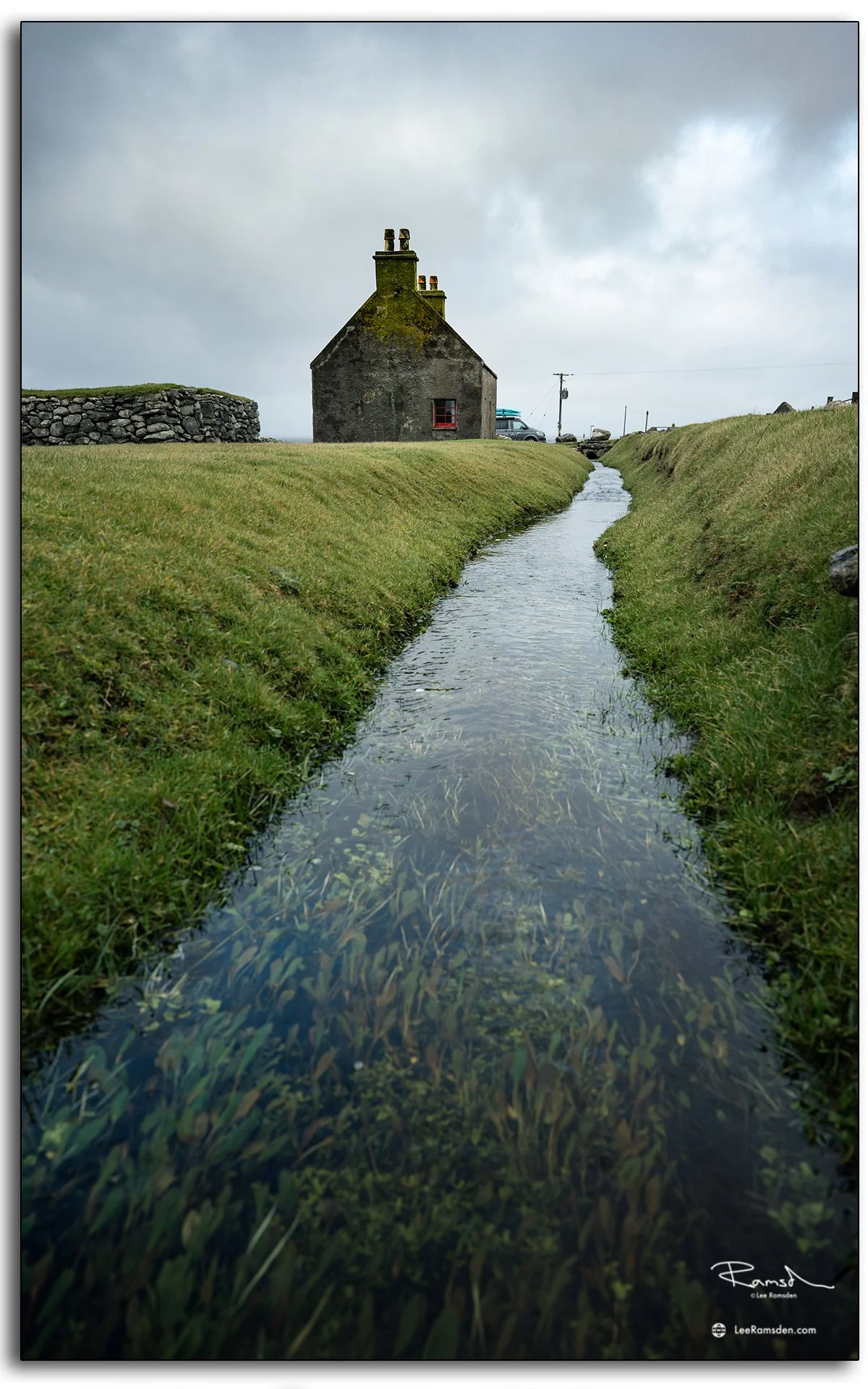
Historic blackhouse with moss-covered chimneys at Gearrannan on the Isle of Lewis, Scotland, viewed along a narrow grassy stream leading toward the sea.
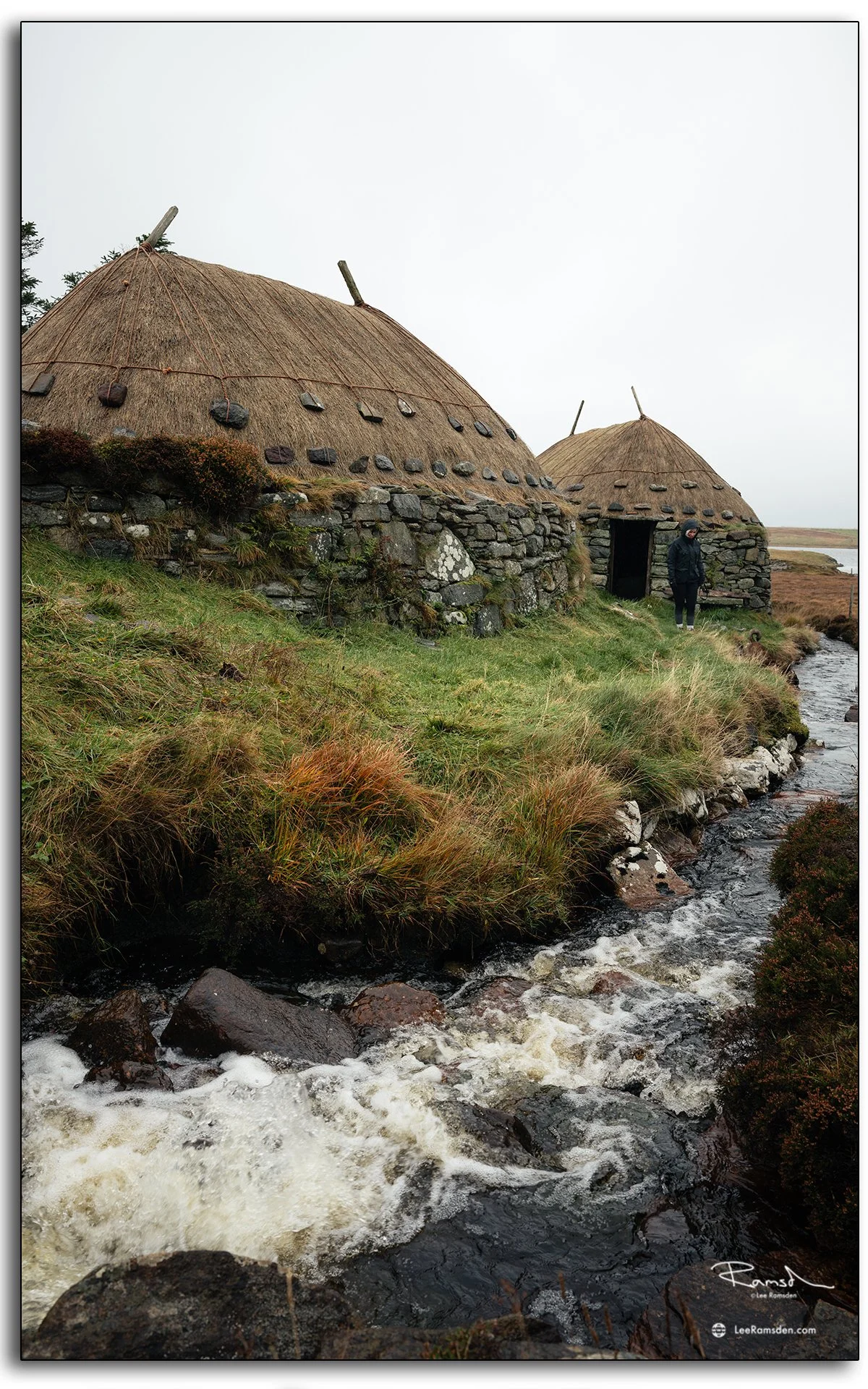
Traditional thatched blackhouses at Arnol on the Isle of Lewis, Scotland, with stone walls beside a flowing stream under grey Hebridean skies

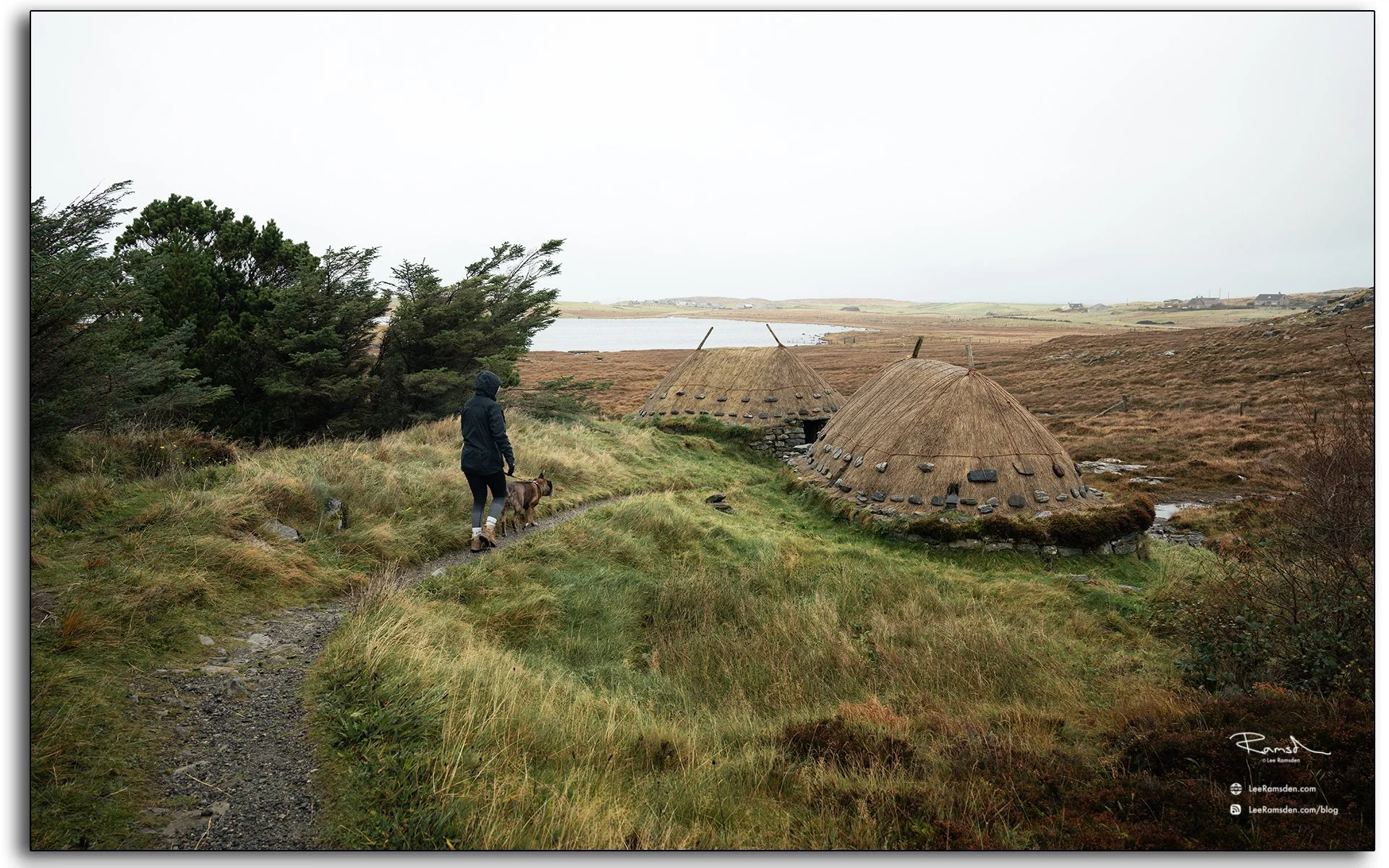
There are a few restored examples scattered across the islands — like those at Arnol on Lewis, Gearrannan, and Norse Mill & Kiln — each one giving a glimpse of how islanders lived just a few generations ago. Standing inside, with the smell of peat smoke hanging in the air and the sound of the wind outside, you get a real sense of what “shelter” meant in its truest form.

Traditional thatched blackhouses at Arnol on the Isle of Lewis, Scotland, with stone walls beside a flowing stream under grey Hebridean skies

For all their simplicity, there’s a quiet sophistication to these buildings — natural insulation, low profiles against the wind, and a design that worked perfectly for their environment. They weren’t built to impress; they were built to survive.

Restored blackhouse village at Gearrannan on the Isle of Lewis, Scotland, featuring traditional stone cottages with thatched roofs overlooking the rugged coastline

Seeing these blackhouses in person connects you to the people who built them — tough, resourceful, and proud of their land.

See more of Scotland’s cultural and coastal heritage in my Places collection.

Footsteps on the Sand – Hushinish beach, Isle of Harris

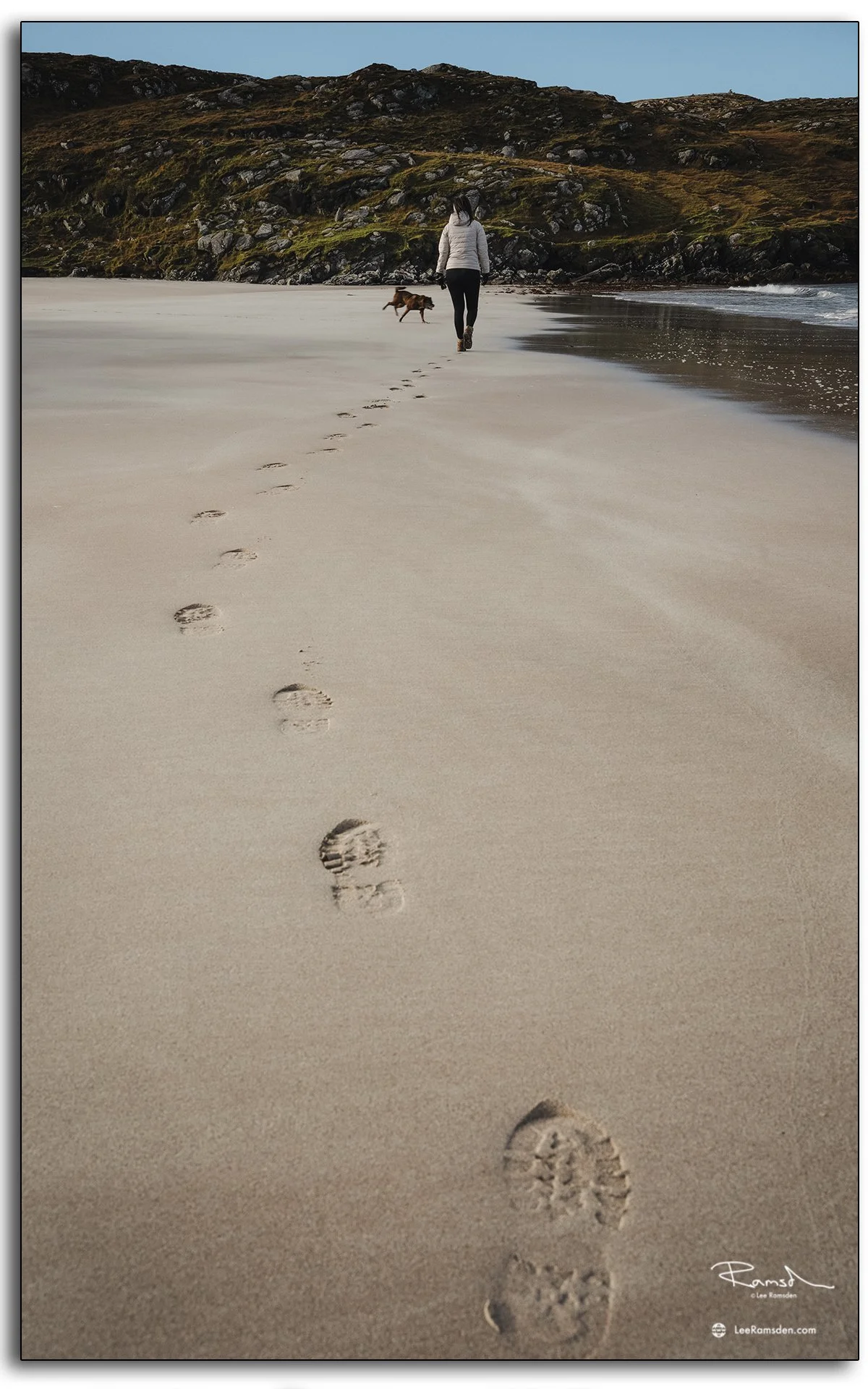
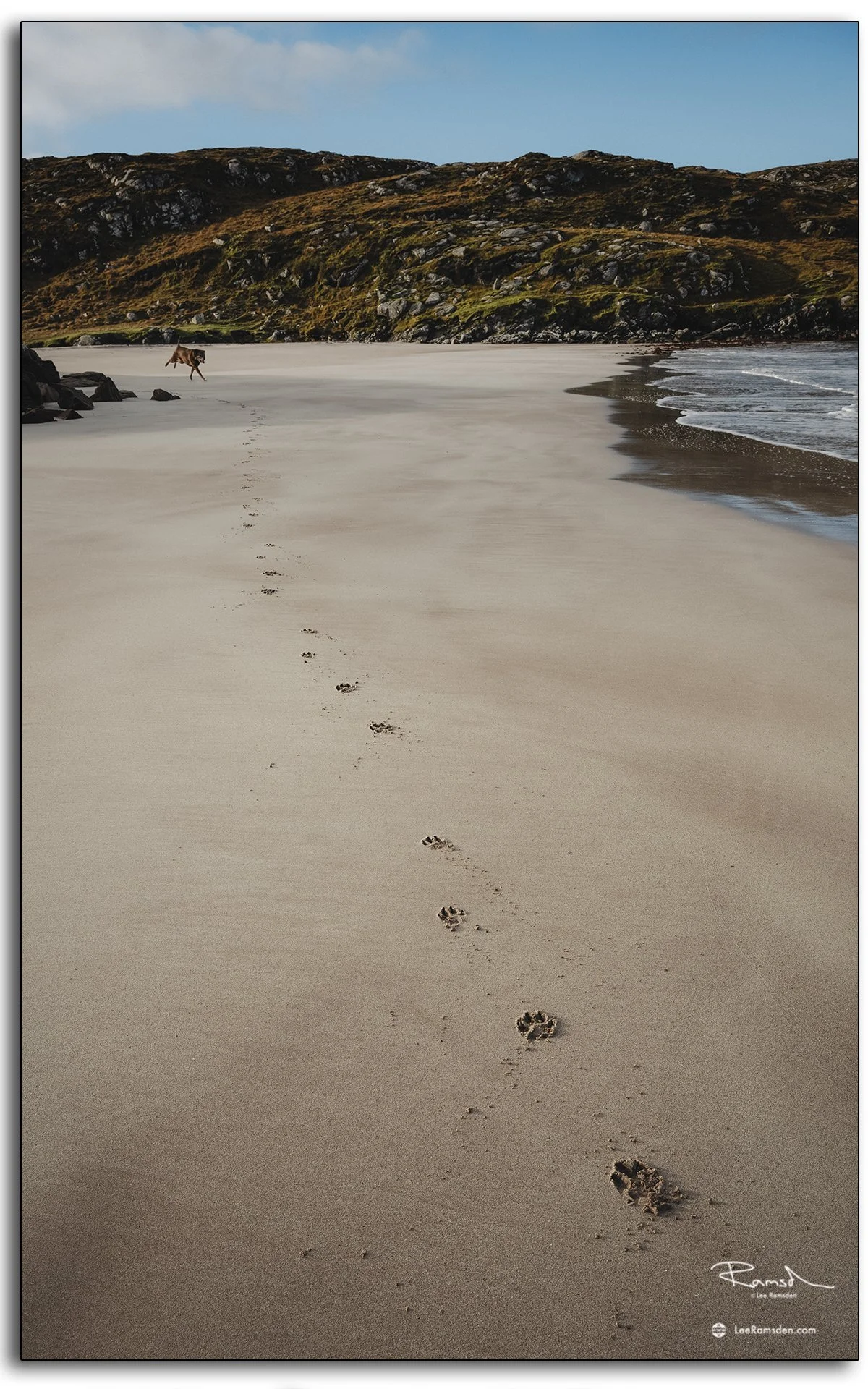
Dog paw prints and running dog along Hushinish Beach on the Isle of Harris, Scotland, leaving footprints in the smooth sand on a calm sunny day
Woman walking with her dog along Hushinish Beach on the Isle of Harris, Scotland, leaving footprints in the smooth sand on a calm sunny day

There’s something grounding about the sound of wet sand underfoot. Each step leaves a mark that’s quickly erased by the tide.

These two frames were taken on the Hushinish beach Isle of Harris, where the beaches stretch further than the eye can see and time seems to slow. Just footsteps and paw prints, tracing a quiet walk at the edge of the Atlantic.

Sometimes the most meaningful photographs are the simplest ones — just space, movement, and a sense of calm.

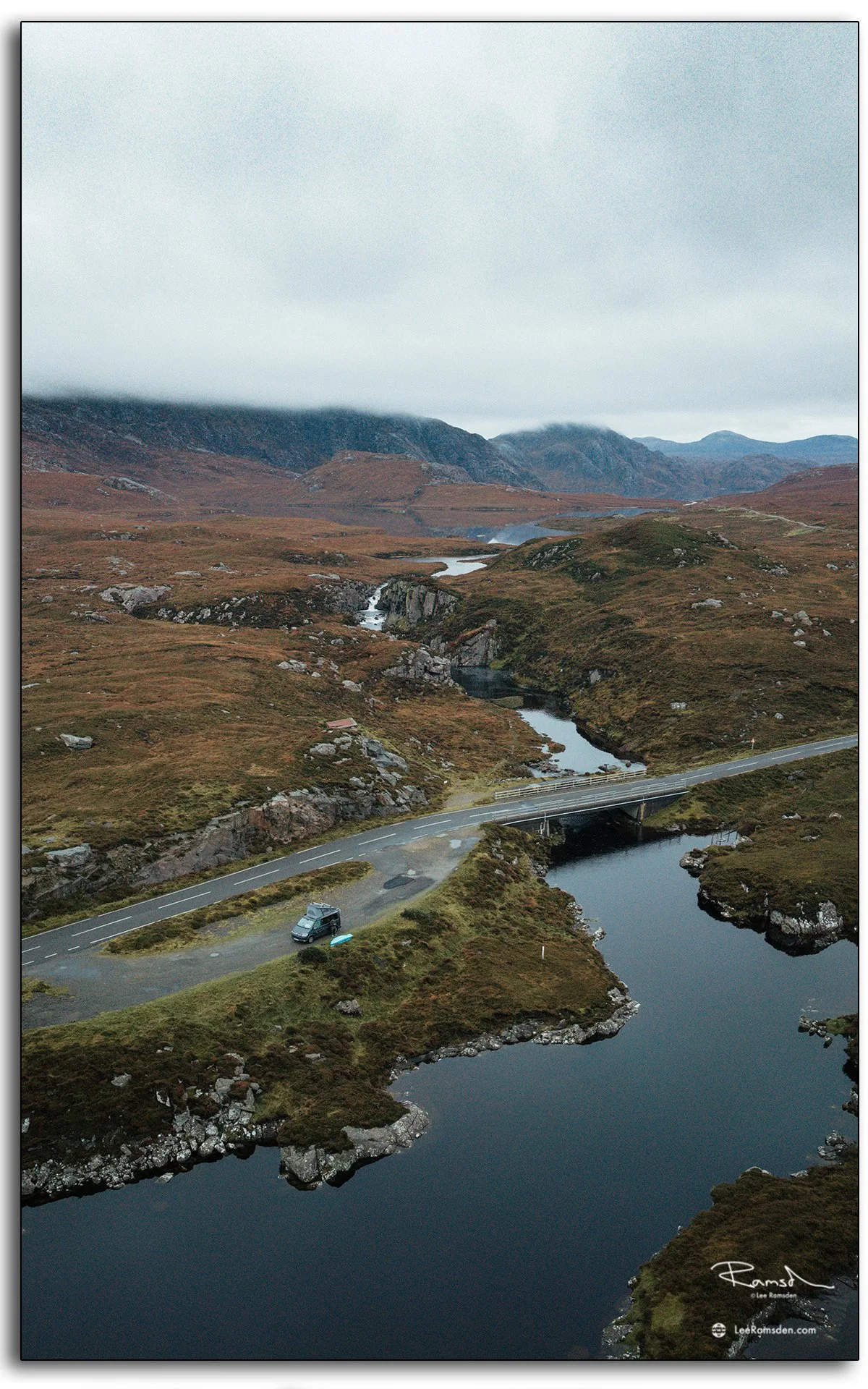
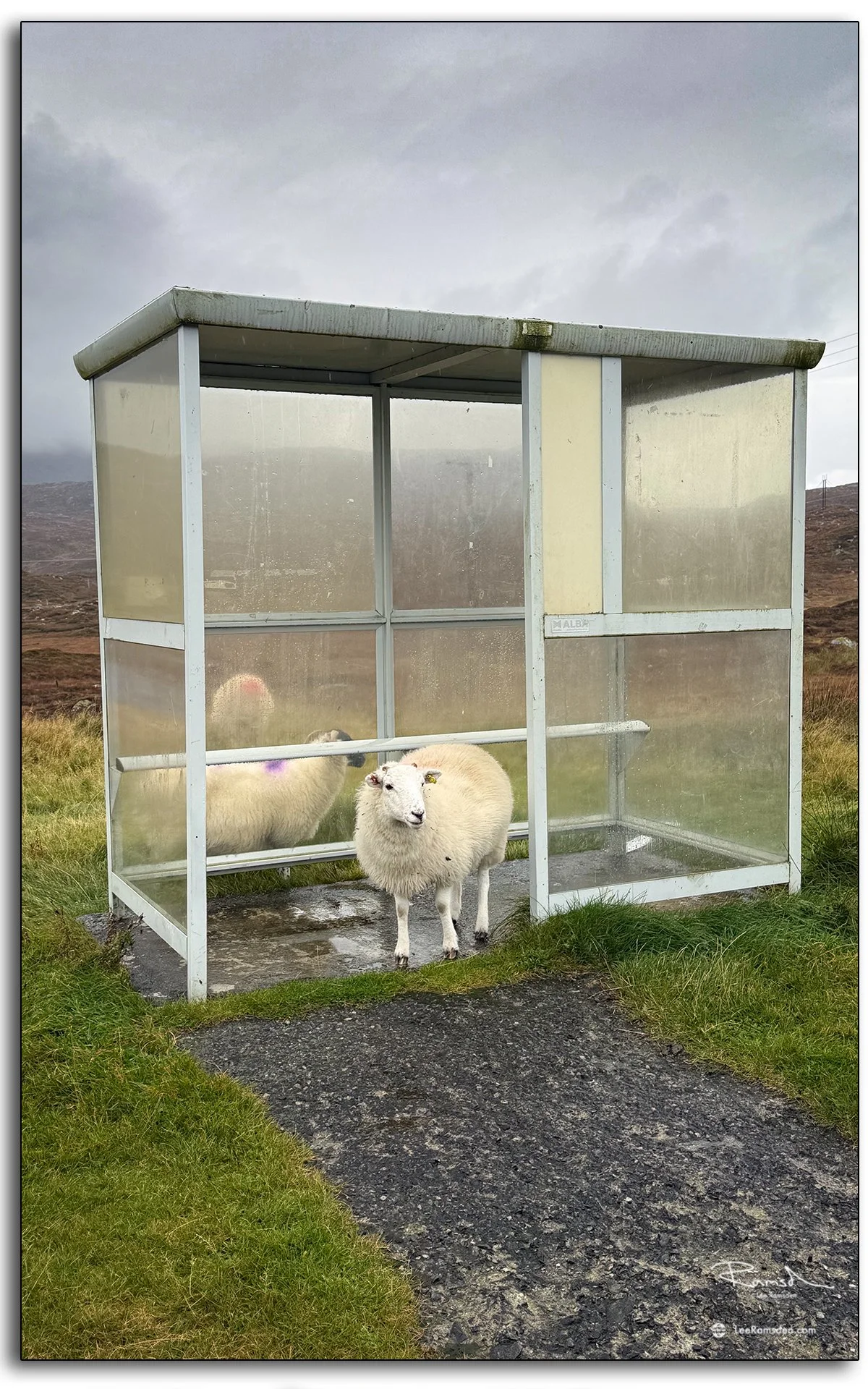
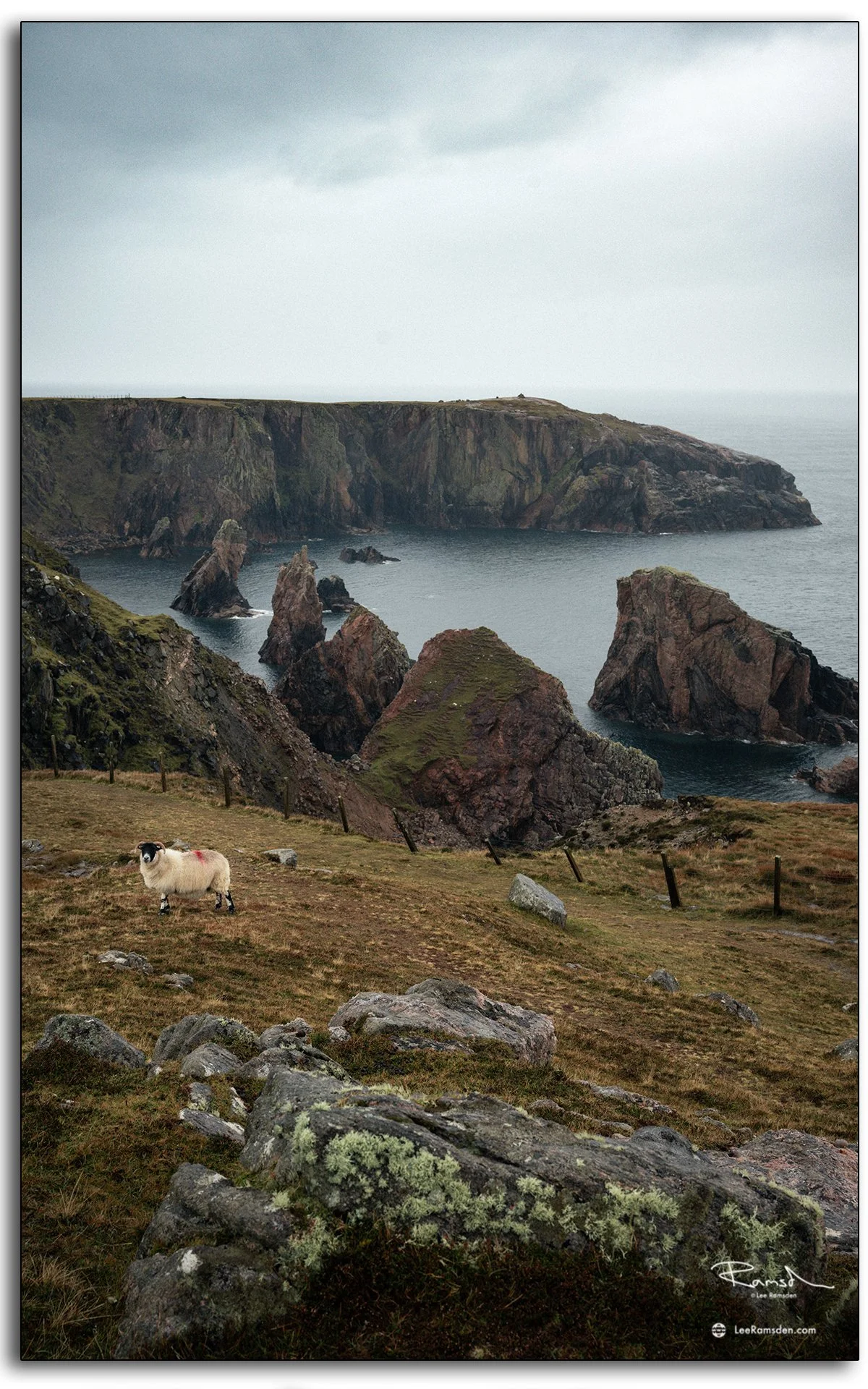
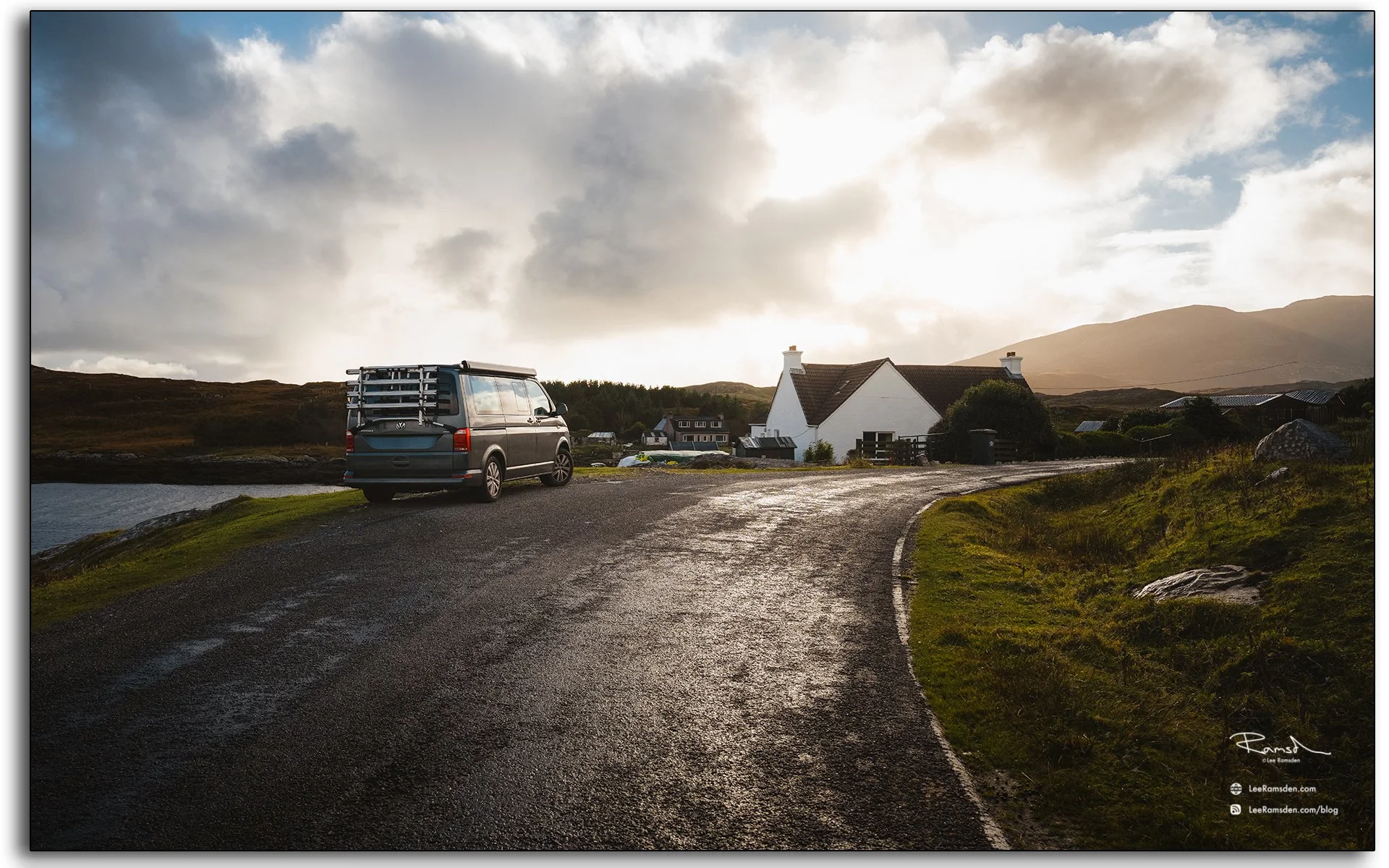
The Outer Hebrides have a rhythm of their own — part wild, part peaceful, always humbling.

Explore more of Scotland’s coastlines in my Places collection.